
AI Cyber Warnings, Regulation Splits, and 'Claude Mania' Surge
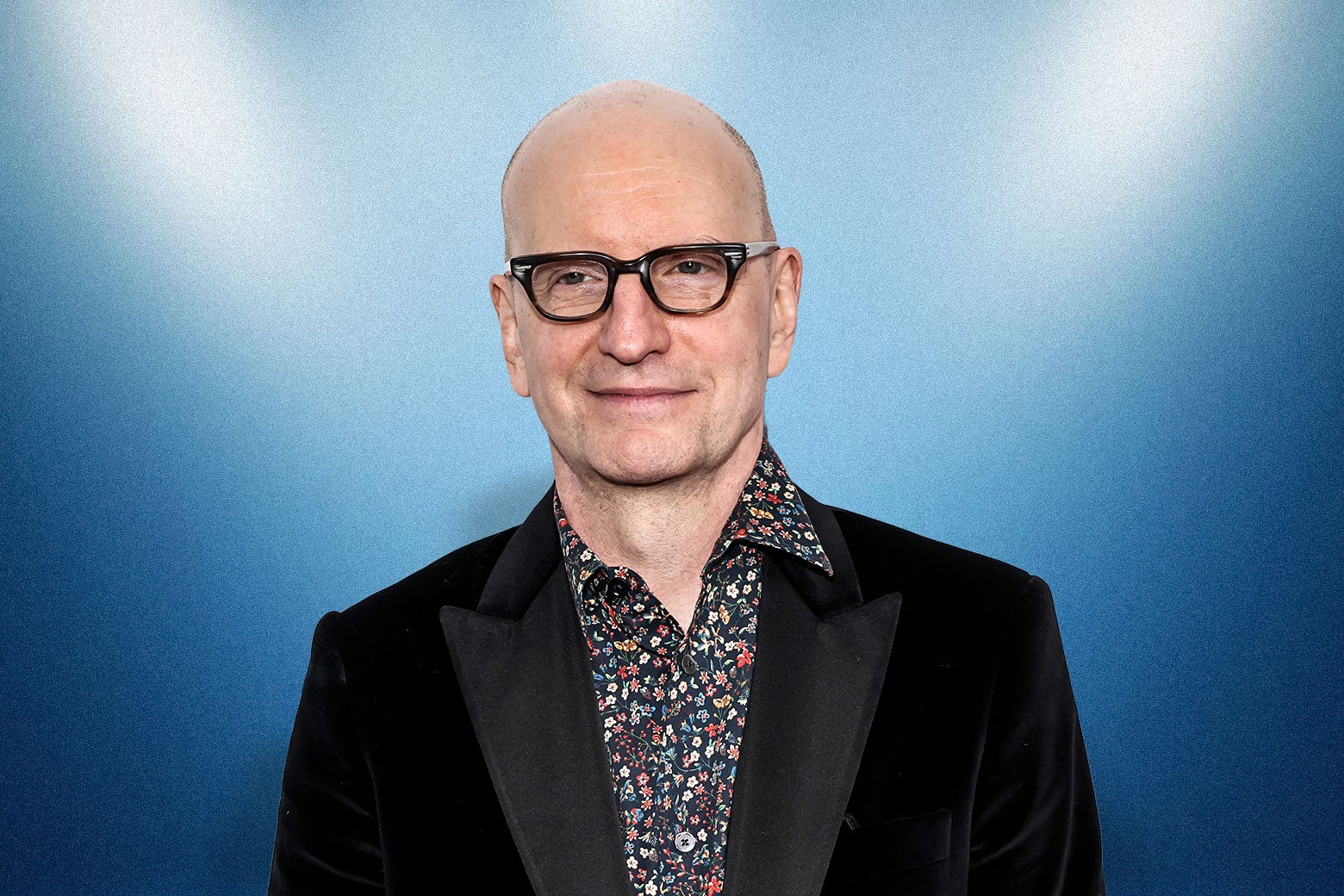
Cover image from slate.com, which was analyzed for this article
Treasury and Fed warn banks of cyber threats from advanced AI like Anthropic's models amid CEO concerns. Bipartisan pushes for AI regulation clash on approaches as events like Claude mania and OpenAI security fixes highlight rapid progress. Debates weigh AI as blessing or disaster.
PoliticalOS
Saturday, April 11, 2026 — Tech
Advanced AI models are delivering measurable gains in productivity, medicine, and security while simultaneously creating credible cyber risks that have prompted formal warnings to the financial sector. The Anthropic-Pentagon clash and splintered congressional efforts reveal deep disagreement on whether to prioritize rapid deployment or stringent guardrails. Readers should recognize that no single bill or court ruling will settle the tension; sustained, evidence-based oversight that preserves innovation without ignoring real harms is the only path that matches the technology's pace.
What outlets missed
Most outlets omitted the Treasury and Federal Reserve's specific warnings to banks about cyber threats posed by advanced models like Claude, a gap that downplays the immediate national-security and financial-stability stakes. Coverage of the Anthropic-Pentagon litigation rarely presented both the San Francisco constitutional ruling and the D.C. Circuit's procedural decision in one place, leaving readers without a full picture of split judicial outcomes. Real state-level actions on data centers and algorithmic pricing, plus documented bills such as Blackburn's TRUMP AMERICA AI Act and the Sanders-AOC data-center moratorium, were absent from pieces that instead described unverified or non-existent legislation. Finally, the environmental toll of AI data centers and concrete examples of AI reducing inventory costs or translating scientific papers were mentioned only in passing or not at all, flattening the benefit-risk ledger.
Steven Soderbergh Says AI Is Not the Real Threat to American Movies
Steven Soderbergh has never been one to follow the herd. The director who serves as his own cinematographer and editor under pseudonyms has built a career on efficiency and experimentation. His latest film The Christophers a seriocomic exploration of the art world premieres this month on the heels of Presence and Black Bag two other distinct projects released in quick succession. Yet the 63 year old filmmaker now finds himself in the middle of Hollywoods latest panic over artificial intelligence after reports that he incorporated AI tools into his workflow.
The backlash was predictable. In an industry still nursing wounds from the 2023 writers and actors strikes AI has become a four letter word for many. Critics argue that using the technology devalues human creativity and displaces jobs. Soderbergh sees it differently. In a recent conversation he described AI as just another instrument like digital editing or Steadicam a means to an end rather than the end itself. The real problems facing movies he suggested have less to do with algorithms than with the grinding realities of financing distribution and audience fragmentation in an entertainment landscape drowning in content.
This perspective arrives at a moment when AI dominates conversations far beyond Hollywood. At the HumanX conference in San Francisco this week more than 6500 executives investors and founders gathered and the dominant topic was not OpenAI but Anthropic. The companys Claude coding agent has sparked what some attendees called Claude mania generating over 2.5 billion dollars in annualized revenue. Anthropics enterprise focus has positioned it to capture major contracts even after its public spat with the Pentagon. While OpenAI launched the generative AI boom Anthropic appears better adapted to the practical demands of business users who value reliability over hype.
Such developments underscore a larger truth. The AI train has left the station as one recent documentary put it. The film The AI Doc features experts oscillating between apocalyptic warnings and promises of breakthroughs in medicine and scientific discovery. No one can guarantee a positive outcome but the consensus is clear. Attempts to halt progress through top down controls will likely fail. The technology feeds on data and patterns evolving faster than regulators or even its creators can track. As economist Thomas Sowell has long observed knowledge is dispersed and centralized efforts to manage complex systems often produce unintended consequences.
Nowhere is this more apparent than in Washington. Both parties have rushed to regulate AI yet their approaches reveal telling priorities. Democratic lawmakers have focused on individual harms such as deepfakes and deceptive political content. Senator Amy Klobuchar reacted to a deepfake of herself by pushing for social media companies to remove unauthorized digital likenesses. California Governor Gavin Newsom signed bills restricting AI generated election material. Republicans by contrast have trained their attention on the underlying models. Senator Josh Hawleys legislation would require frontier AI developers to submit their systems to the Energy Department for review with the possibility of nationalization before commercial deployment. His bill also bans the use of copyrighted material for training without explicit permission and curiously has drawn Democratic cosponsors including Senator Richard Blumenthal.
These overlapping yet conflicting impulses risk creating a regulatory thicket that slows innovation without addressing core risks. Court cases illustrate the tension. The D.C. Circuit recently declined to grant Anthropic an immediate stay in its dispute with the Defense Department over a supply chain risk designation. The Trump Justice Department portrayed the ruling as a victory for military readiness but the panel actually flagged potential statutory violations in the designation process. A separate San Francisco federal court had already suggested the move may violate the Constitution. Such bureaucratic maneuvering whether under one administration or another often reflects institutional self interest more than coherent policy.
Meanwhile private sector actors continue adapting. OpenAI disclosed a security incident involving a compromised third party library called Axios used in its macOS app signing process. The company emphasized that no user data was accessed no systems were breached and the certificate was not exfiltrated. It responded by requiring updates and fixing a misconfiguration in its GitHub workflow. The episode linked to actors believed connected to North Korea highlights real vulnerabilities in the software supply chain but also demonstrates how competitive pressures can drive rapid remediation without congressional intervention.
For all the hand wringing AI remains a tool whose ultimate impact will depend on human choices. Soderberghs accelerated output two films last year three this year including The Christophers suggests that technology can amplify individual vision rather than dilute it. The director who sent out rough cuts on the final day of shooting has long treated filmmaking as both art and business. His dismissal of AI as the central threat echoes a deeper insight. The movie industrys challenges stem less from new technology than from failure to adapt to shifting economic incentives audience behavior and the difficulty of telling stories that cut through noise.
This pattern repeats across sectors. The documentary viewers leave with a mix of dread and cautious optimism. Some experts predict human obsolescence within a decade. Others foresee exponential gains if society learns to harness the technology. What unites them is the recognition that hiding from change is not viable. As futurist Alvin Toffler observed decades ago the illiterate of the 21st century will be those who cannot learn unlearn and relearn.
The coming years will test whether policymakers grasp this reality or whether they succumb to the temptation of control. Heavy handed rules on model development or punitive approaches to copyright could distort incentives and concentrate power in fewer hands ironically the opposite of stated goals. Market signals experimentation and individual adaptation have driven technological progress for generations. Soderberghs latest work whether aided by AI or not offers a modest reminder that human ingenuity persists when creators retain the freedom to test new methods rather than await permission from regulators or industry gatekeepers. The films success or failure will ultimately be decided by audiences not algorithms or legislation.
You just read Conservative's take. Want to read what actually happened?