
AI Cyber Warnings, Regulation Splits, and 'Claude Mania' Surge
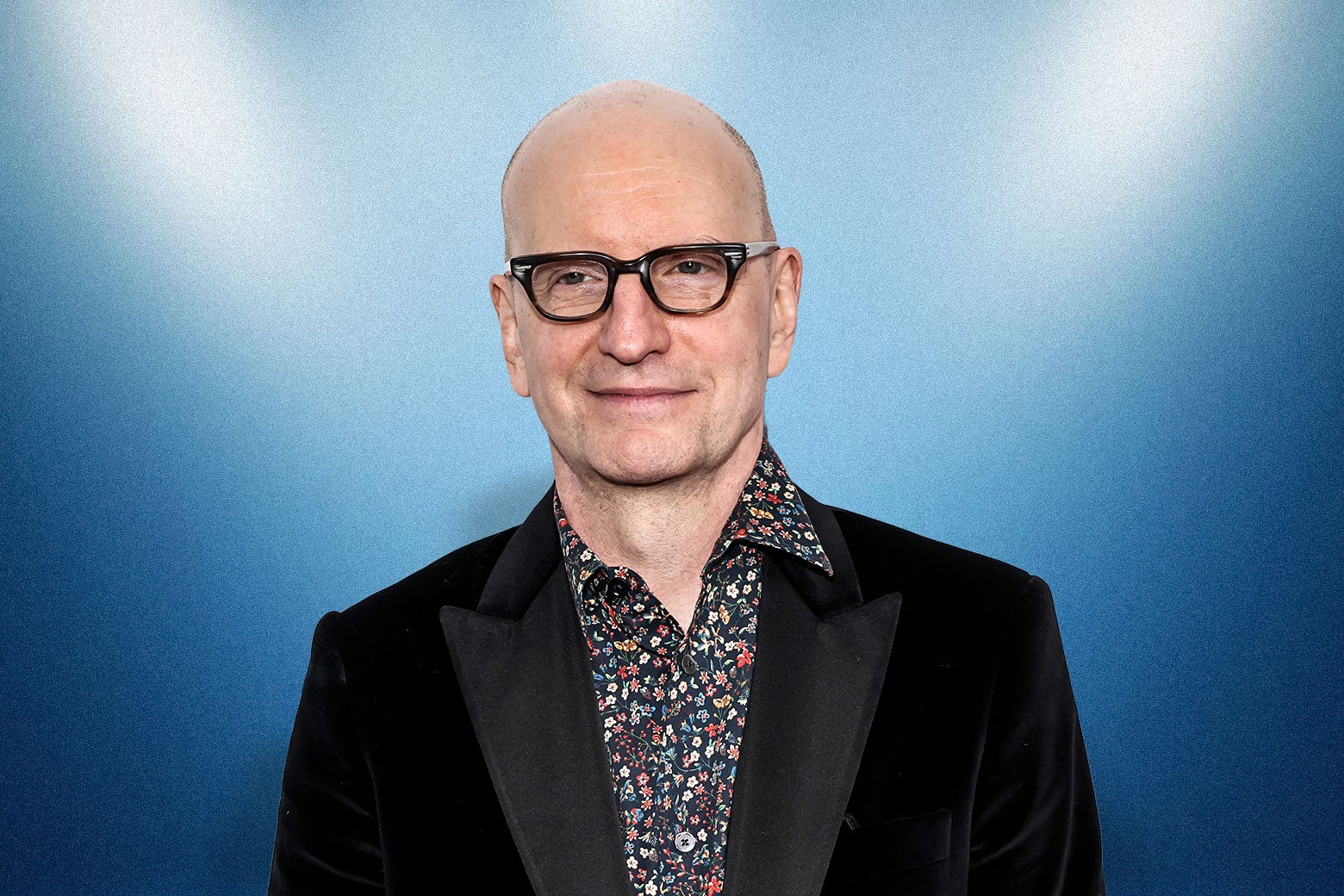
Cover image from slate.com, which was analyzed for this article
Treasury and Fed warn banks of cyber threats from advanced AI like Anthropic's models amid CEO concerns. Bipartisan pushes for AI regulation clash on approaches as events like Claude mania and OpenAI security fixes highlight rapid progress. Debates weigh AI as blessing or disaster.
PoliticalOS
Saturday, April 11, 2026 — Tech
Advanced AI models are delivering measurable gains in productivity, medicine, and security while simultaneously creating credible cyber risks that have prompted formal warnings to the financial sector. The Anthropic-Pentagon clash and splintered congressional efforts reveal deep disagreement on whether to prioritize rapid deployment or stringent guardrails. Readers should recognize that no single bill or court ruling will settle the tension; sustained, evidence-based oversight that preserves innovation without ignoring real harms is the only path that matches the technology's pace.
What outlets missed
Most outlets omitted the Treasury and Federal Reserve's specific warnings to banks about cyber threats posed by advanced models like Claude, a gap that downplays the immediate national-security and financial-stability stakes. Coverage of the Anthropic-Pentagon litigation rarely presented both the San Francisco constitutional ruling and the D.C. Circuit's procedural decision in one place, leaving readers without a full picture of split judicial outcomes. Real state-level actions on data centers and algorithmic pricing, plus documented bills such as Blackburn's TRUMP AMERICA AI Act and the Sanders-AOC data-center moratorium, were absent from pieces that instead described unverified or non-existent legislation. Finally, the environmental toll of AI data centers and concrete examples of AI reducing inventory costs or translating scientific papers were mentioned only in passing or not at all, flattening the benefit-risk ledger.
Steven Soderbergh Brushes Off AI Backlash as Tech Giants Court Disaster
Steven Soderbergh has never been one to follow the crowd in Hollywood, and his latest experiment is no exception. The director known for tight control over his projects, often handling his own cinematography and editing, has now incorporated artificial intelligence into his new film The Christophers, a seriocomic story about the art world now playing in theaters. The move has drawn sharp criticism from those who see AI as an existential threat to creative jobs and the soul of filmmaking. Yet in a recent interview, the 63-year-old filmmaker downplayed the controversy, arguing that AI is hardly the biggest problem facing the movie business today.
Soderbergh, whose breakneck pace has produced multiple films in the past year including Presence and Black Bag, views the technology as just another tool in an already streamlined process. He released a rough cut of one project on the same day shooting wrapped, a feat made possible by his hands-on approach. To him, the real crises in cinema involve collapsing business models, audience fragmentation, and the grind of getting anything made in an industry dominated by streaming giants and corporate bean-counters. His three latest films, wildly different in tone, reflect that restless experimentation more than any ideological stand on machines replacing humans.
Not everyone in the creative world shares his nonchalance. A new documentary titled The AI Doc: Or How I Became an Apocaloptimist lays out the stakes in stark terms. Experts interviewed in the film range from those predicting the end of humanity within a decade if artificial general intelligence slips its leash to optimists who see breakthroughs in medicine and scientific discovery. The common thread is uncertainty. No one can guarantee a happy ending. As futurist Alvin Toffler warned decades ago, the illiterate of the 21st century will be those who cannot learn, unlearn, and relearn. For working actors, writers, and directors, that warning feels immediate. When AI can generate scripts, deepfake performances, or even entire scenes at speeds no human crew can match, what happens to the next generation trying to break in?
The anxiety extends far beyond Hollywood soundstages. At the HumanX conference in San Francisco this week, thousands of executives, investors, and founders gathered amid what some described as Claude mania. Anthropic, the company behind the viral coding agent Claude Code, has surged in prominence. Valued at $380 billion, the firm founded by former OpenAI defectors is generating billions in revenue and positioning itself as the favorite for enterprise contracts. Attendees whispered that OpenAI no longer owns the room. Yet even as Silicon Valley celebrates, warning signs multiply.
OpenAI itself disclosed a security breach involving a third-party tool called Axios, compromised in a supply chain attack linked to North Korean actors. The incident exposed a GitHub workflow used to sign macOS applications for ChatGPT and related products. While the company insists no user data was stolen and no systems were fully compromised, it is forcing users to update apps and sunsetting older versions after May 8. The episode underscores a painful reality: tools racing ahead of safeguards, with adversaries eager to exploit the gaps. When North Korea can insert itself into the code that powers American AI products, platitudes about innovation ring hollow.
Congress is stirring, but as usual the two parties cannot agree on the nature of the problem. Republican proposals tend to target the foundations, demanding oversight of large language models, restrictions on training data that gobbles up copyrighted material without permission, and even national security reviews before deployment. Sen. Josh Hawley has pushed measures that would require frontier AI developers to submit models to the Energy Department, with the possibility of government intervention to protect American interests. Democrats, by contrast, focus more on downstream harms, such as deepfakes and deceptive political content. Sen. Amy Klobuchar reacted with fury to a deepfake of herself and called for social media platforms to remove unauthorized digital replicas. California Gov. Gavin Newsom signed laws restricting AI-generated election material. Bipartisan bills exist, but the philosophical divide remains: one side fears unaccountable machines rewriting society, the other worries more about individuals misusing them.
The tension boiled over in the courts this week as Anthropic continues its legal battle with the Defense Department. The Trump administration designated the company a supply chain risk, citing national security concerns. Acting Attorney General Todd Blanche hailed a D.C. Circuit decision as a victory for military readiness, though the court stopped short of issuing the stay the government sought and instead accelerated review. Critics of Big Tech see the move as overdue scrutiny of firms whose models could be compromised or whose loyalties may not align with American defense needs. Anthropic has fought the designation in both statutory and constitutional claims, revealing how even the most hyped AI ventures now find themselves in the crosshairs of federal power.
Soderbergh is right that Hollywood faces deeper troubles than any single technology. Decades of financialization turned movies into content pipelines, squeezing originality and rewarding risk aversion. Yet dismissing AI as a sideshow ignores the human cost. Creative workers already squeezed by globalization now confront algorithms that never demand residuals, health insurance, or days off. The same forces reshaping film sets are marching through coding, law, medicine, and logistics. The documentary leaves viewers with a mix of dread and cautious hope, but the central message is clear: this train cannot be stopped. It will either carry humanity forward or leave us behind.
The elite consensus in Silicon Valley and parts of the entertainment world treats skepticism as Luddism. Conferences buzz with talk of exponential progress while North Korean hackers probe the perimeter and entire professions face obsolescence. Soderbergh's willingness to experiment should not obscure the larger question: who controls these tools, and in whose interest? American audiences and workers deserve more than breezy assurances from directors or breathless hype from venture capitalists. The technology is here. The safeguards, the foresight, and the willingness to put citizens first remain in short supply.
You just read America First's take. Want to read what actually happened?