
AI Cyber Warnings, Regulation Splits, and 'Claude Mania' Surge
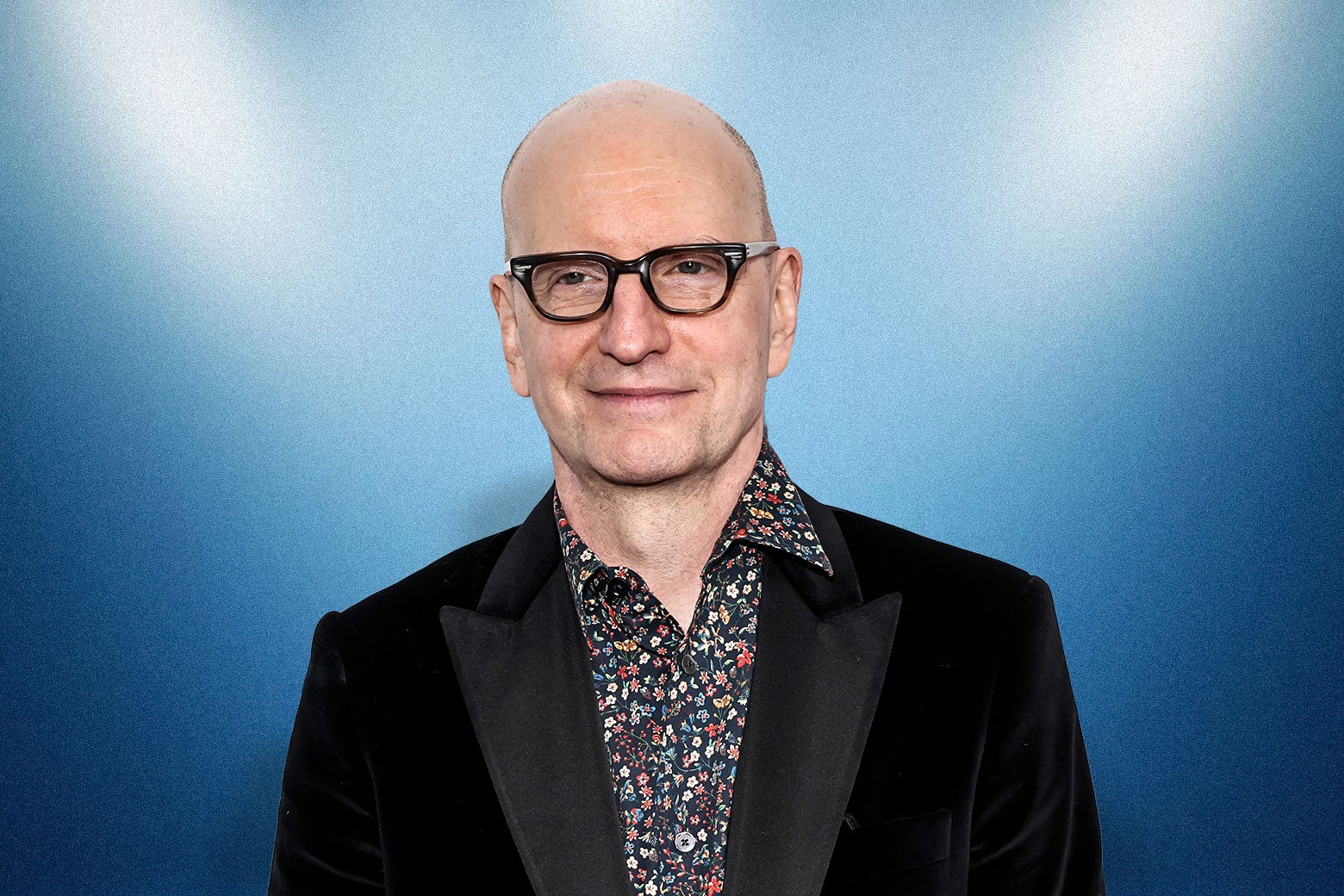
Cover image from slate.com, which was analyzed for this article
Treasury and Fed warn banks of cyber threats from advanced AI like Anthropic's models amid CEO concerns. Bipartisan pushes for AI regulation clash on approaches as events like Claude mania and OpenAI security fixes highlight rapid progress. Debates weigh AI as blessing or disaster.
PoliticalOS
Saturday, April 11, 2026 — Tech
Advanced AI models are delivering measurable gains in productivity, medicine, and security while simultaneously creating credible cyber risks that have prompted formal warnings to the financial sector. The Anthropic-Pentagon clash and splintered congressional efforts reveal deep disagreement on whether to prioritize rapid deployment or stringent guardrails. Readers should recognize that no single bill or court ruling will settle the tension; sustained, evidence-based oversight that preserves innovation without ignoring real harms is the only path that matches the technology's pace.
What outlets missed
Most outlets omitted the Treasury and Federal Reserve's specific warnings to banks about cyber threats posed by advanced models like Claude, a gap that downplays the immediate national-security and financial-stability stakes. Coverage of the Anthropic-Pentagon litigation rarely presented both the San Francisco constitutional ruling and the D.C. Circuit's procedural decision in one place, leaving readers without a full picture of split judicial outcomes. Real state-level actions on data centers and algorithmic pricing, plus documented bills such as Blackburn's TRUMP AMERICA AI Act and the Sanders-AOC data-center moratorium, were absent from pieces that instead described unverified or non-existent legislation. Finally, the environmental toll of AI data centers and concrete examples of AI reducing inventory costs or translating scientific papers were mentioned only in passing or not at all, flattening the benefit-risk ledger.
AI Controversy Engulfs Hollywood and Washington as Tech Giants Amass Power
Steven Soderbergh has never been one to shy away from pushing the boundaries of filmmaking, but his decision to incorporate artificial intelligence into his new ghost story The Christophers has drawn sharp criticism from those who see the technology as an existential threat to creative labor. The director, who also serves as his own cinematographer and editor, released the film alongside two others in the past year, underscoring his reputation for speed and experimentation. Yet in interviews surrounding the release, Soderbergh downplayed the backlash, arguing that AI is not the core crisis facing the movie business. Instead, he pointed to deeper structural failures: the risk-averse dominance of franchise filmmaking, shrinking opportunities for original storytelling, and a studio system more concerned with quarterly returns than artistic risk-taking.
Soderbergh's comments arrive at a moment when AI is no longer a niche tool but a flashpoint across culture, commerce, and national security. At the HumanX conference in San Francisco this week, the dominant mood was what attendees called "Claude mania," with Anthropic's coding agent eclipsing even OpenAI in conversation. The company, now valued at $380 billion, has positioned itself at the forefront of enterprise AI despite a very public clash with the Pentagon. Defense Secretary Pete Hegseth's designation of Anthropic as a supply chain risk has triggered dueling court cases, one of which saw the Trump Justice Department mischaracterize a D.C. Circuit ruling as a "resounding victory for military readiness." In reality, judges signaled serious concerns that the designation may violate federal law, granting the company expedited review rather than the stay the administration sought. Critics see this episode as emblematic of a chaotic approach to regulating the very technologies the government simultaneously courts and fears.
That regulatory confusion extends to Congress, where both parties claim to want guardrails on AI but cannot agree on what they should look like. Republican proposals, such as Sen. Josh Hawley's bill co-sponsored by Democrats, focus on the foundations of the technology itself, including bans on using copyrighted material for training without permission and even potential nationalization of frontier models. Democratic efforts, by contrast, target individual harms: deepfakes, election interference, and misuse of likeness. California Gov. Gavin Newsom's recent laws restricting deceptive AI-generated political content reflect this emphasis on protecting democratic processes from manipulation. The result is a patchwork of half-measures that do little to address the concentration of power in a handful of private firms worth hundreds of billions of dollars.
Security vulnerabilities only heighten the unease. OpenAI disclosed Friday that a third-party library called Axios was compromised in a supply-chain attack attributed to actors linked to North Korea. While the company insists no user data, passwords, or API keys were taken and that its core systems remained intact, the incident forced updates to its macOS applications and highlighted how dependent even the largest AI developers are on fragile external infrastructure. Such revelations come as little surprise to those who have watched the breakneck pace of deployment outstrip basic safeguards.
Beneath the hype and the headlines lies a more profound anxiety captured in the new documentary The AI Doc: Or How I Became an Apocaloptimist. Experts interviewed in the film range from cautious optimists to those warning that unchecked artificial general intelligence could render human labor obsolete within years or, in darker scenarios, pose an existential threat to humanity itself. The film underscores a point made by futurist Alvin Toffler decades ago: the truly illiterate in the 21st century will be those unable to continuously learn, unlearn, and relearn. When machines can perform diverse, unscripted tasks faster than any human, the question shifts from whether AI will take jobs to what purpose will remain for most people in an economy controlled by a few corporations.
Soderbergh is right that AI is not the sole crisis in Hollywood. The deeper sickness is an industry that has long undervalued workers while rewarding consolidation and cost-cutting. That same sickness now infects the wider economy. As Anthropic and OpenAI race toward ever-larger valuations, their executives promise exponential progress in medicine and creativity while quietly preparing for a world where human input becomes optional. The partisan bickering in Washington, the court battles with the Pentagon, and the cavalier attitude toward security suggest that neither government nor industry is prepared for the consequences already visible on film sets, in coding departments, and in the lives of workers being told to adapt or disappear.
The technology cannot be uninvented. What remains to be seen is whether democratic societies will shape its development to serve the many rather than further enrich the few who currently control it. Soderbergh's latest experiment may be just one small story in a much larger reckoning that is only beginning.
You just read Progressive's take. Want to read what actually happened?