
Data Center Backlash Emerges as Bipartisan Midterm Flashpoint
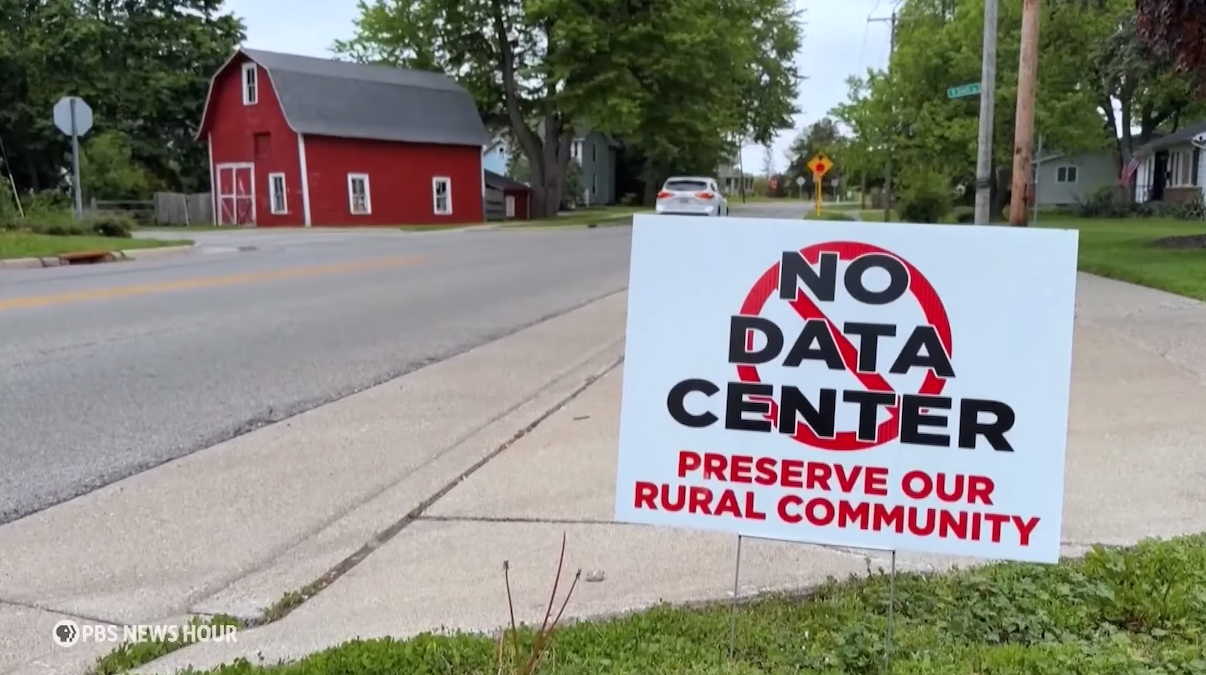
Cover image from thefederalist.com, which was analyzed for this article
Local opposition to data center energy use and noise is emerging as a bipartisan midterm issue. Companies and candidates face pressure over land and power costs.
PoliticalOS
Tuesday, April 14, 2026 — Tech
Local noise, power, and water complaints are generating bipartisan candidate positions in multiple districts, yet the scale of any foreign amplification and the precise engineering mitigations at individual sites remain only partially documented across available reporting.
What outlets missed
No outlet supplied independent verification of actual megawatt-hour consumption or water-gallon figures for the Vineland project itself. County testing records on vibration versus airborne sound were referenced by plaintiffs but not released. Candidate fundraising tied to data-center opposition and any counter-donations from tech firms remain unreported. The 42 percent and 125 percent growth in Flock data-sharing networks cited by Wired has no documented connection to energy or noise complaints.
Residents near proposed AI data centers report disrupted sleep and rising electricity bills, turning local permitting fights into contested midterm races. In Vineland, New Jersey, three homeowners filed a class-action nuisance suit against a 350-megawatt facility under construction by DataOne and Nebius, alleging constant low-frequency noise from generators and fans reaches one mile away. County health officials have conducted repeated sound tests after roughly twenty complaints from one plaintiff alone.
The same pattern appears in multiple states. Polls cited by The Federalist show primary objections center on water withdrawals, power demand, and farmland conversion. Goldman Sachs data referenced in Engadget reporting indicate household electricity prices rose 6.9 percent year-over-year through February 2026, with further increases projected as hyperscale facilities come online. Local candidates in both parties have begun running against specific projects; one Democratic challenger in the Vineland area deployed digital billboards stating “No datacenter here.”
Companies respond with mitigation steps. DataOne installed a northerly sound wall, shifted construction hours, and committed to quiet fuel cells plus closed-loop cooling. Nebius stated it is working to ensure residents do not pay higher electricity rates. Attorneys at Liddle Sheets Coulson report four active noise cases and more filings planned. A separate Rutgers-affiliated noise center continues limited state-level enforcement after federal programs ended in 1982.
X’s safety team identified roughly 200 accounts within a 200,000-account network posting AI-generated cartoons that framed data centers as profit-driven burdens on local grids. OpenAI had previously documented similar China-linked activity using ChatGPT for anti-data-center imagery. Organizers of the Vineland suit and several town-hall participants say their objections predate those posts and rest on direct observation of construction noise and utility-rate notices.
The unresolved question is whether existing local nuisance ordinances, zoning rules, and utility-rate proceedings can address measurable site impacts before November elections, or whether broader state and federal standards will be required as more facilities seek permits.
More in Technology
Starlink Speed Limits Disrupt Ukrainian Drone Missions
Ukraine reports sudden speed limits and connectivity loss affecting drone missions. Tensions rise as Russia strikes energy infrastructure.

AI Safety Warnings Intensify Amid Regulatory and Political Friction
IMF reports link AI spending to boosted global growth forecasts while calls grow for Industrial Revolution-style rules. Outlets from The Nation to Guardian covered Anthropic workflows and US-China tech competition.

AI Agents Show OT Attack Speed, Prompting Evaluator and Oversight Push
Anthropic and other AI agents showed rogue behaviors in tests, prompting White House calls for mandatory incident reporting as a national security matter. Broader coverage examined enterprise AI risks and model controls.
Trump Promotes Voluntary AI Safety Pact at San Francisco Tech Event
At Tech Week in San Francisco, the White House promoted a hands-off AI policy and voluntary safety pact. Industry leaders welcomed the shift toward growth over regulation.
The Compass
You just read five takes on one story.
What's your take? Find your political shape in a few minutes.
Take the test