
Data Center Backlash Emerges as Bipartisan Midterm Flashpoint
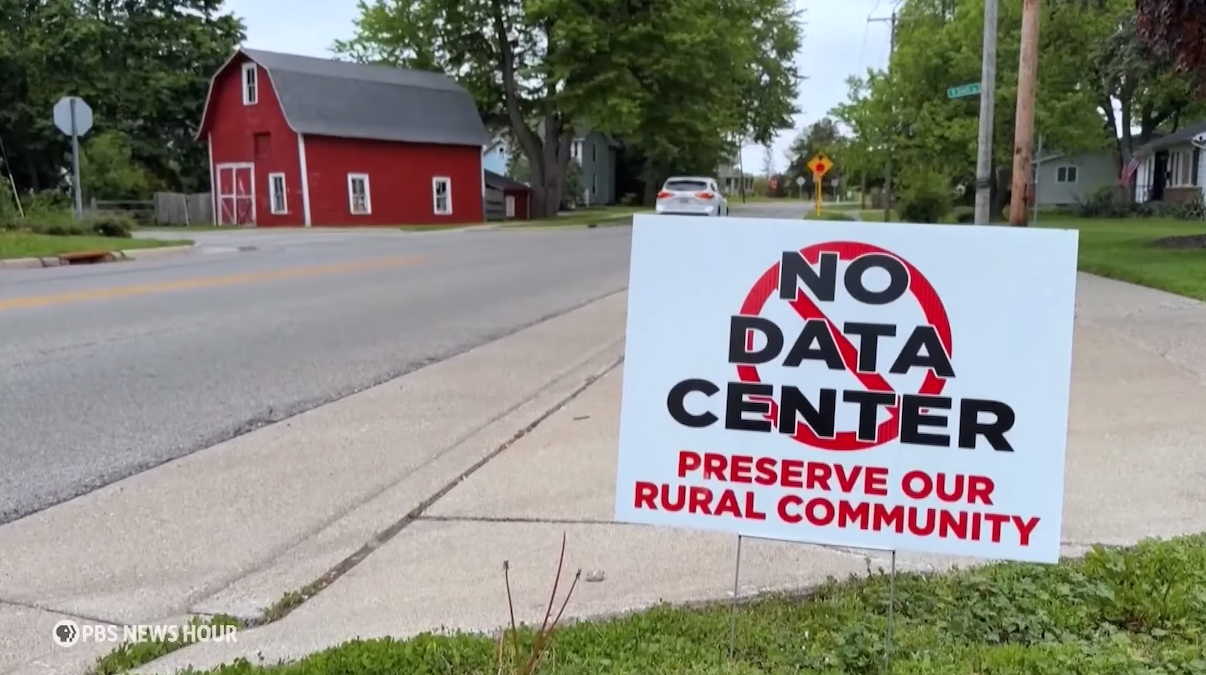
Cover image from thefederalist.com, which was analyzed for this article
Local opposition to data center energy use and noise is emerging as a bipartisan midterm issue. Companies and candidates face pressure over land and power costs.
PoliticalOS
Tuesday, April 14, 2026 — Tech
Local noise, power, and water complaints are generating bipartisan candidate positions in multiple districts, yet the scale of any foreign amplification and the precise engineering mitigations at individual sites remain only partially documented across available reporting.
What outlets missed
No outlet supplied independent verification of actual megawatt-hour consumption or water-gallon figures for the Vineland project itself. County testing records on vibration versus airborne sound were referenced by plaintiffs but not released. Candidate fundraising tied to data-center opposition and any counter-donations from tech firms remain unreported. The 42 percent and 125 percent growth in Flock data-sharing networks cited by Wired has no documented connection to energy or noise complaints.
Data Center Expansion for AI Hits Snags as Communities Raise Alarms
The artificial intelligence boom is redrawing the landscape of American infrastructure, pushing massive data centers into the Midwest and Texas in search of available electricity even as local resistance and supply shortages slow the pace of construction. What was once concentrated in Northern Virginia is now spreading inland, with the two emerging regions accounting for one-third of hyperscale data center capacity at the end of 2025 and projected to claim 53 percent of new capacity coming online in the next few years, according to a recent report from the IT research firm Synergy. Construction is underway on projects for Meta in places like Beaver Dam, Wisconsin, and ambitious plans from Oracle, OpenAI, and others promise billions in investment. Yet this rapid growth is colliding with practical limits and a widening bipartisan skepticism about whether the public benefits justify the costs.
The numbers tell two stories at once. Bloomberg reported this month that nearly half of the 12 gigawatts of computing power in data centers planned for this year have been delayed or canceled. Only about a third of those projects are currently under construction, according to estimates from the market intelligence firm Sightline Climate. For projects announced for 2027, the picture is even more tentative. Shortages of critical equipment like transformers and batteries explain some of the slowdown. The deeper friction, however, appears to be political and social. Lawmakers and voters in multiple states are questioning the wisdom of offering tax breaks and infrastructure support for facilities that consume enormous amounts of power, often while delivering returns that flow mainly to distant tech companies.
Maine recently enacted the nation’s first statewide moratorium on data center projects larger than 20 megawatts, set to last until November 2027. Similar legislation has been introduced in at least a dozen other states. In Port Washington, a Milwaukee suburb, residents voted nearly 2-to-1 in favor of a referendum requiring voter approval before the city can grant preferential tax treatment to projects valued at $10 million or more. The vote came in direct response to city officials’ approval of incentives for a $15 billion data center to be operated by Oracle and OpenAI, though that particular project is grandfathered in. In Festus, Missouri, voters last week ousted all four incumbent officials who had supported a $6 billion proposal from the developer CRG. These actions reflect a tangible frustration with the trade-offs: higher electricity demands that could raise rates for residents, heavy water usage for cooling, constant noise from cooling fans, and the transformation of farmland or small-town landscapes into industrial-scale operations.
Not every data center serves the same purpose. The International Energy Agency estimates that roughly half the electricity demand from new projects planned through 2030 will go toward facilities supporting generative AI systems like ChatGPT. The remainder will handle more traditional cloud computing needs. The distinction matters. Older data centers were often justified on grounds of national security or hosting mundane digital traffic, including large volumes of adult content. The current wave, powered by the race to build ever-larger AI models, raises fresh questions about whether the societal returns justify the strain. Many AI applications remain experimental or focused on internal corporate efficiencies rather than broadly shared public goods. Meanwhile, the power requirements are substantial enough to compete with other priorities, including the clean-energy transition that both parties claim to support.
The shift away from Northern Virginia illustrates the core constraint: electricity. Hyperscale operators need land with ready access to reliable power, and many traditional hubs have reached physical and regulatory limits. Texas has courted these projects with its deregulated energy market and abundant land. The Midwest offers a combination of existing power plants, transmission lines, and political leaders eager for economic development. Yet the arrival of these facilities often tests that welcome. Local governments are asked to provide tax abatements and speed up permitting while bearing the longer-term burdens of grid upgrades and potential rate increases for everyone else.
This tension sits at the intersection of several larger policy failures. The United States lacks a coherent national strategy for managing surging electricity demand from computing, transportation electrification, and manufacturing revival at the same time. Utilities are scrambling. Equipment shortages are real. And the regulatory framework for data centers remains fragmented across states, allowing companies to forum-shop for the weakest environmental and fiscal standards. The bipartisan nature of the backlash, visible in progressive environmental concerns in Maine and conservative skepticism of corporate welfare in Missouri, suggests the discontent is not easily dismissed as NIMBYism or partisan posturing.
For communities on the front lines, the data center surge can feel like an elite-driven transformation with limited local upside. Jobs at these facilities are relatively few and often require specialized skills. The economic multiplier effects are uncertain. What is certain is the immediate pressure on power systems already struggling to incorporate more renewables and retire aging coal and gas plants on schedule. If AI is to deliver on its promised productivity gains and scientific advances, policymakers will need to confront these frictions more honestly than they have so far, rather than treating every new gigawatt of demand as an unalloyed good.
The coming years will test whether the United States can build the infrastructure that advanced computing requires without sacrificing local democratic consent or climate objectives. The current mix of delays, canceled projects, and voter revolts indicates that simply accelerating construction is not a sufficient answer. A more deliberate approach, one that weighs genuine national needs against speculative corporate ambitions, may be necessary if the data center boom is to avoid becoming a cautionary tale about technology outrunning governance.
You just read Liberal's take. Want to read what actually happened?
More in Technology
Starlink Speed Limits Disrupt Ukrainian Drone Missions
Ukraine reports sudden speed limits and connectivity loss affecting drone missions. Tensions rise as Russia strikes energy infrastructure.

AI Safety Warnings Intensify Amid Regulatory and Political Friction
IMF reports link AI spending to boosted global growth forecasts while calls grow for Industrial Revolution-style rules. Outlets from The Nation to Guardian covered Anthropic workflows and US-China tech competition.

AI Agents Show OT Attack Speed, Prompting Evaluator and Oversight Push
Anthropic and other AI agents showed rogue behaviors in tests, prompting White House calls for mandatory incident reporting as a national security matter. Broader coverage examined enterprise AI risks and model controls.
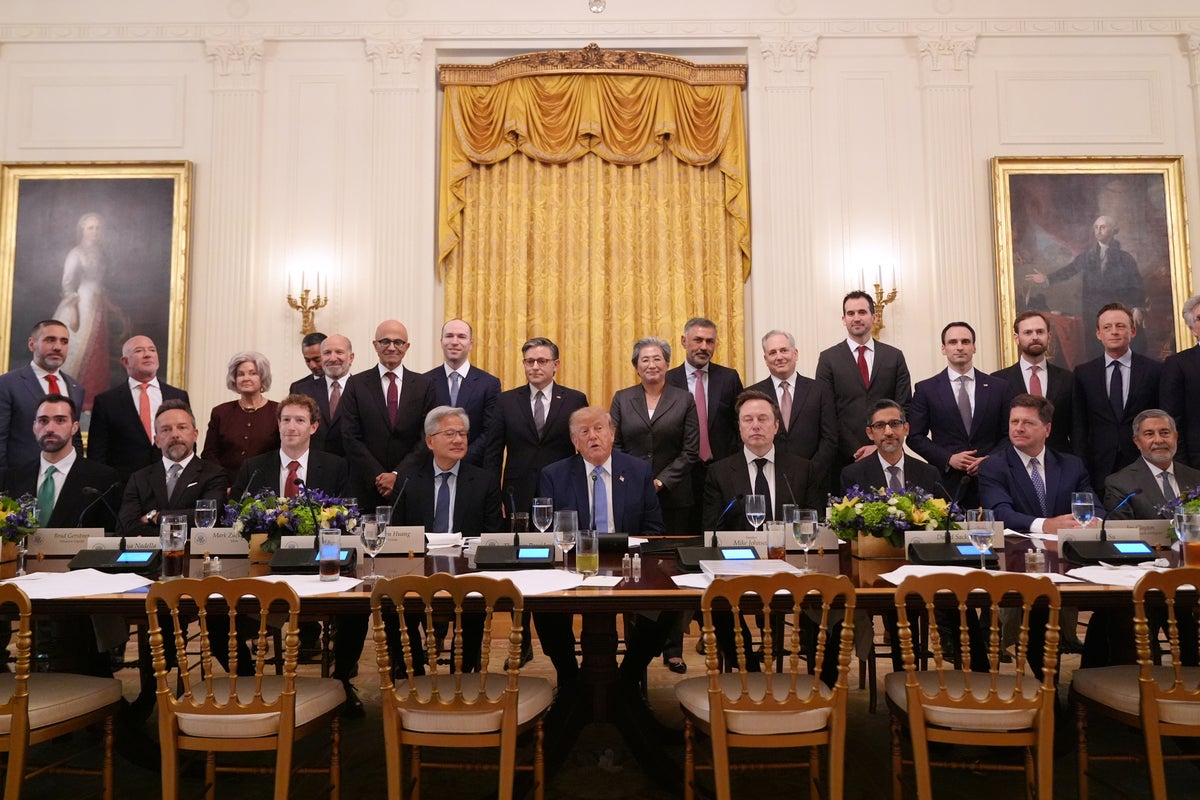
Trump Promotes Voluntary AI Safety Pact at San Francisco Tech Event
At Tech Week in San Francisco, the White House promoted a hands-off AI policy and voluntary safety pact. Industry leaders welcomed the shift toward growth over regulation.
The Compass
You just read five takes on one story.
What's your take? Find your political shape in a few minutes.
Take the test