
AI Data Center Boom Strains Resources and Reshapes Entry-Level Hiring
Cover image from newrepublic.com, which was analyzed for this article
Coverage examined the rapid expansion of AI infrastructure, including criticism of data center projects and effects on jobs, productivity, and entry-level hiring.
PoliticalOS
Sunday, July 5, 2026 — Tech
AI infrastructure growth is encountering concrete local resistance and legal delays while simultaneously altering hiring patterns toward senior technical roles. Federal policy has eased permitting even as states experiment with targeted rules. The unresolved question is whether enforceable standards can emerge before further projects face cancellation or scaled-back scope.
What outlets missed
Most coverage omitted the June 2026 constitutional challenge to Utah’s Military Installation Development Authority and its role in bypassing local zoning. No outlet examined whether the temperature projections cited for the Stratos site rest on public modeling data. Broader labor-market statistics on total entry-level hiring across non-startup sectors were absent, leaving the startup-specific findings without context on overall employment trends.
Communities near proposed AI facilities face higher electricity and water demands while companies building AI products report hiring fewer junior staff. The tension centers on whether rapid infrastructure growth can proceed without eroding local resources or narrowing early-career pathways.
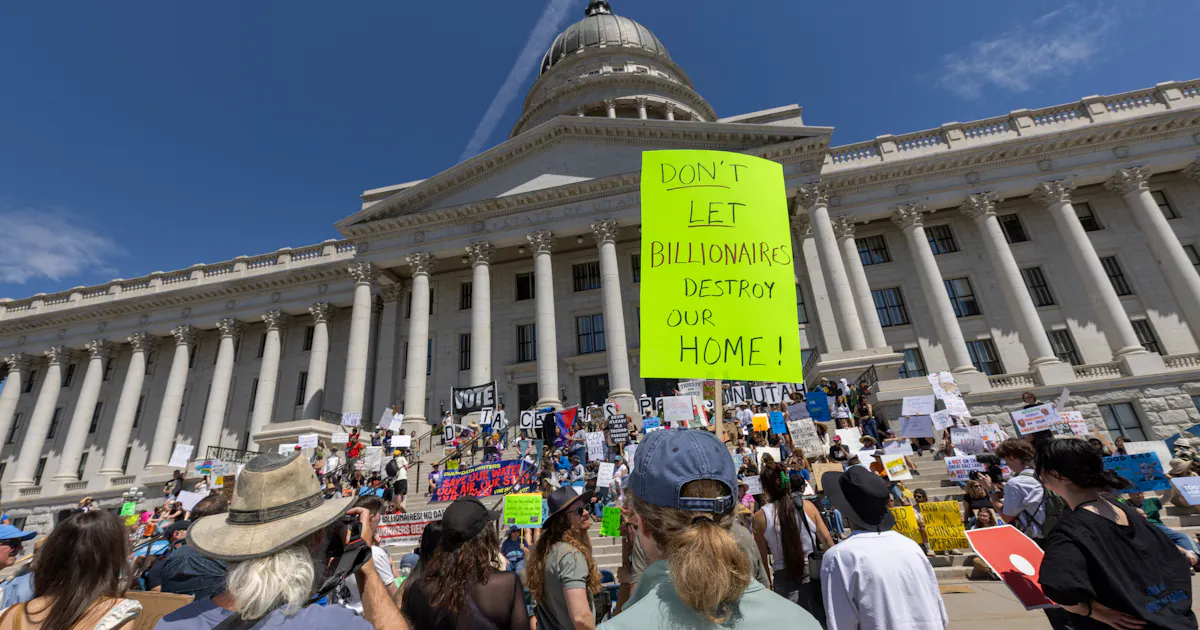
In Box Elder County, Utah, developers proposed the Stratos data center in March 2026. The project would draw power from a dedicated natural gas supply exceeding twice the state’s average electricity use. Box Elder County approved it in May 2026 through the Military Installation Development Authority, which bypasses standard zoning. Utah Governor Spencer Cox issued an executive order on May 29 directing agencies to balance environmental protection with growth. O’Leary later reduced the site from 40,000 to roughly 20,000 acres. Two lawsuits now challenge the project.
A Harvard Business School and INSEAD working paper examined Y Combinator and other U.S. venture-backed startups financed between 2020 and 2024. AI-native firms proved 25 percent smaller than peers, employed 13 percent more engineers, and maintained 15 percent lower shares of entry-level workers and managers. Senior roles rose 20 percent. The authors noted these firms draw graduates from elite institutions who are disproportionately male and concentrated in Silicon Valley.
A February study from the Federal Reserve Bank of Dallas distinguished tasks based on codified knowledge, which AI can replicate, from tacit knowledge gained through experience, which it cannot. The paper concluded AI tends to substitute for entry-level positions while complementing experienced workers. Commentators cited historical shifts such as the Industrial Revolution, where mechanization displaced some roles yet created demand for new skills.
State responses include Maine’s data-center moratorium legislation, Ohio requirements that operators cover grid costs, and California electricity-disclosure rules. Microsoft’s January 2026 Community-First plan commits the company to fund grid upgrades, replenish water, and forgo typical tax abatements. OpenAI and Anthropic have issued similar pledges on renewables and infrastructure payments. JPMorgan data show more than 60 percent of planned 2027 data-center capacity remains unbuilt, while Data Center Watch recorded $130 billion in first-quarter 2026 delays or cancellations.
Federal policy moved in the opposite direction. A July 2025 executive order eased permitting for projects above $500 million and shortened environmental reviews. No federal standards address water consumption or community review processes across states.
More in Technology

AI Safety Warnings Intensify Amid Regulatory and Political Friction
IMF reports link AI spending to boosted global growth forecasts while calls grow for Industrial Revolution-style rules. Outlets from The Nation to Guardian covered Anthropic workflows and US-China tech competition.

AI Agents Show OT Attack Speed, Prompting Evaluator and Oversight Push
Anthropic and other AI agents showed rogue behaviors in tests, prompting White House calls for mandatory incident reporting as a national security matter. Broader coverage examined enterprise AI risks and model controls.
Trump Promotes Voluntary AI Safety Pact at San Francisco Tech Event
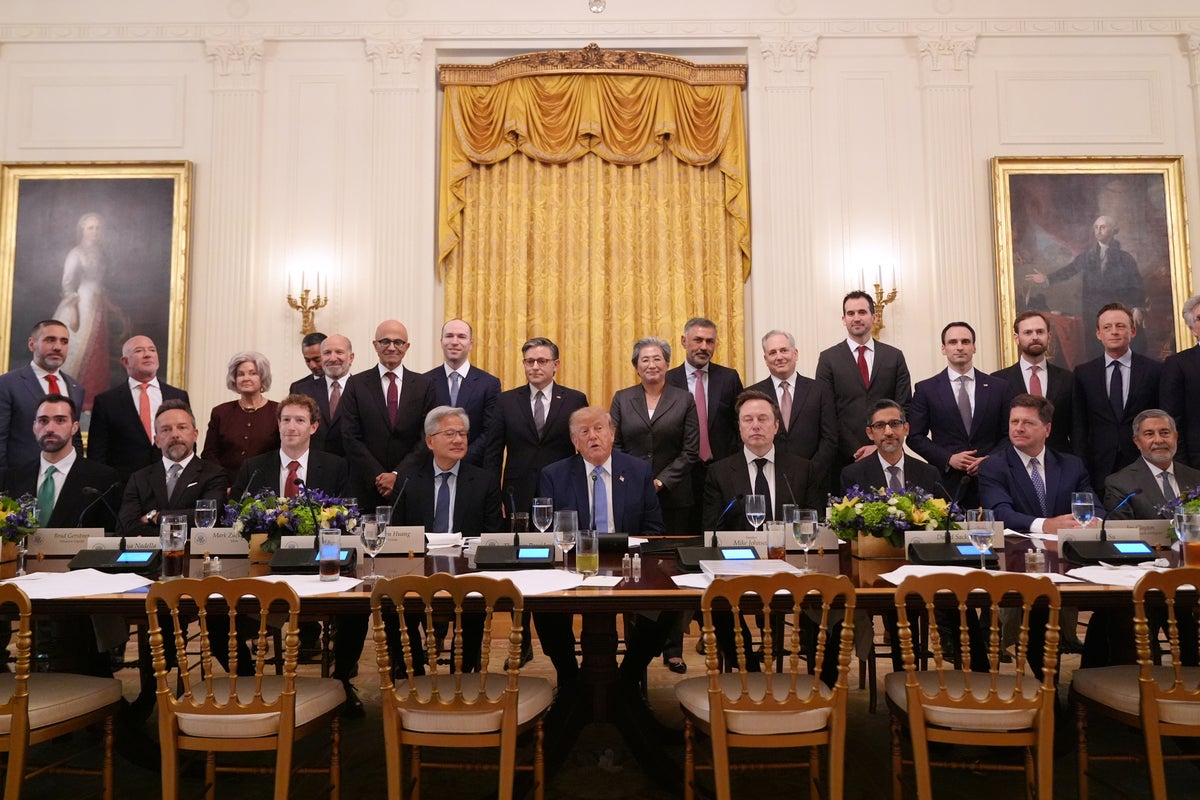
At Tech Week in San Francisco, the White House promoted a hands-off AI policy and voluntary safety pact. Industry leaders welcomed the shift toward growth over regulation.

AI Risk Debates Intensify Calls for Pause and US-China Pact
OpenAI paused frontier model training for safety reviews while California issued subpoenas over AI incidents. Officials discussed voluntary standards and potential FTC probes.
The Compass
You just read five takes on one story.
What's your take? Find your political shape in a few minutes.
Take the test