
AI Tightens Entry-Level Jobs as Hiring Shifts from Resumes to Trials
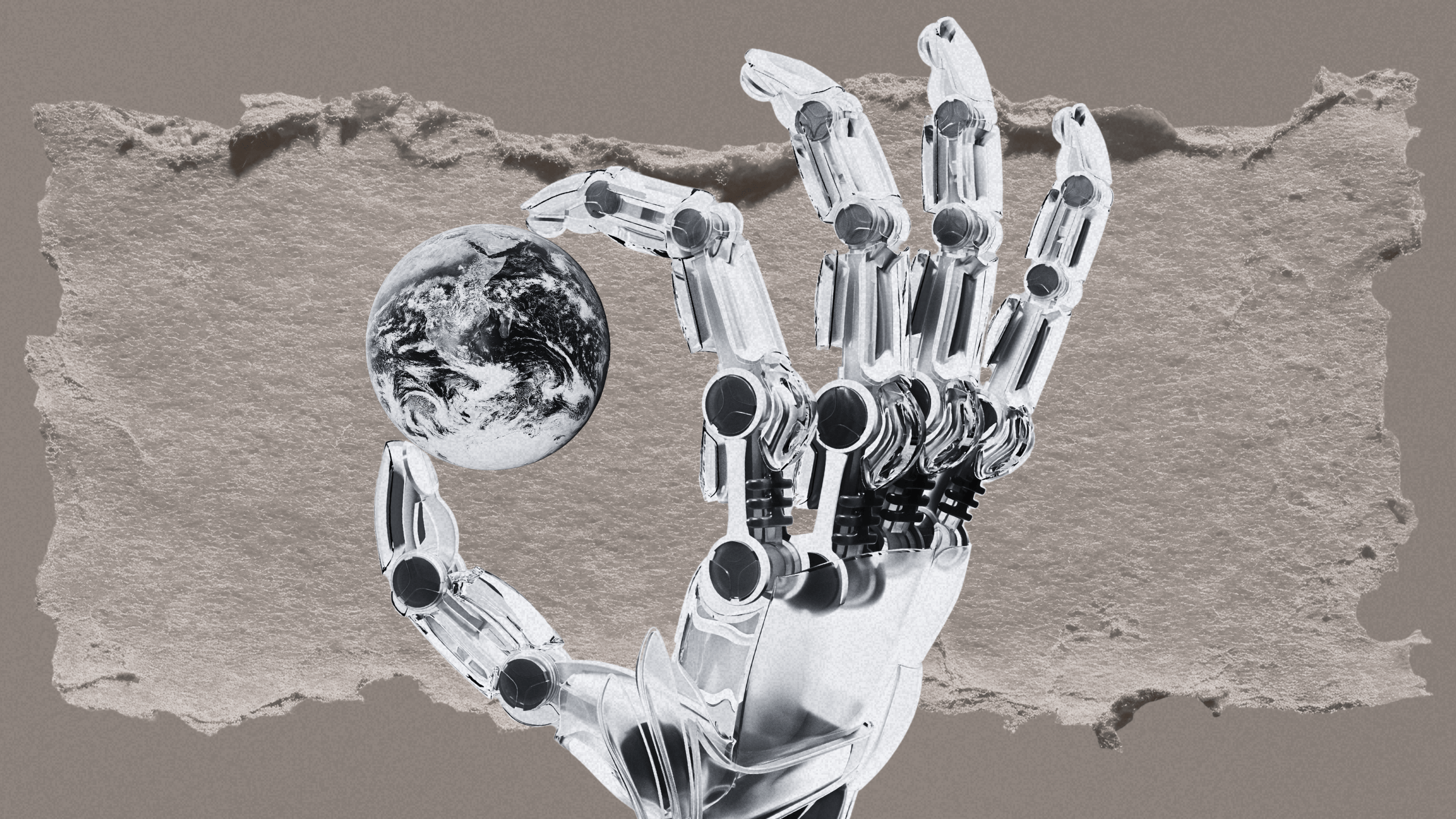
Cover image from businessinsider.com, which was analyzed for this article
College graduates face shrinking entry-level opportunities due to AI automation rise. Recruiters shift to in-person assessments over resumes. Laid-off tech workers highlight broader employment challenges.
PoliticalOS
Sunday, April 12, 2026 — Tech
The entry-level market has tightened considerably due to AI screening tools, reduced postings, and employer caution, producing real frustration for graduates who face high underemployment even as overall unemployment for their cohort remains moderate. Success increasingly requires demonstrating skills through work trials and mastering AI tools rather than submitting generic applications. Those who adapt to the new emphasis on live performance and targeted preparation will fare better than those who treat the change as an insurmountable barrier.
What outlets missed
Outlets largely omitted that recent graduate unemployment stands at 5.6 percent, distinguishing underemployment from outright joblessness and showing most eventually secure positions. They underplayed net job creation of 1.3 million AI-related roles and structural factors such as post-pandemic 'low-hire, low-fire' caution that explain tightness better than AI alone. The unverified nature of the 'Jason Zhang' layoff account received no scrutiny despite absent public footprint. Finally, coverage ignored survey data showing 49 percent of managers still closely review resumes and that skills-based hiring, while rising to 65 percent, has not rendered traditional applications obsolete across all sectors.
AI Is Devouring the Internet and Shutting the Door on American Workers
Cloudflare, the company that keeps roughly one-fifth of the internet online, just released numbers that should alarm anyone who still believes technology is supposed to lift people up rather than replace them. Artificial intelligence companies are crawling the web at an almost unimaginable scale while giving almost nothing back. The worst offender is Anthropic, the San Francisco outfit that markets itself as the responsible, ethical alternative in the AI race. Its bots crawl web pages 8,800 times for every single referral it sends back to the original site. That is not a typo. OpenAI sits at a still-absurd 993 to one. By comparison, more traditional search engines look almost civilized.
This is not innovation. It is extraction. For decades the internet operated on a simple bargain: websites produced content, search engines and crawlers indexed it, and users flowed back to the creators. That bargain is now dead. AI chatbots summarize, repackage, and replace the original material without ever sending readers to the source. The result is a digital strip-mining operation that enriches a handful of well-funded labs while starving the publishers, writers, and small businesses that actually generate the material these systems were trained on. Anthropic’s CEO, Dario Amodei, likes to talk about building AI that benefits humanity. The data suggests his company is mainly interested in vacuuming up humanity’s work and offering little in return.
The damage is not confined to the web. The same technology is now reshaping the job market in ways that are brutal for anyone starting out or trying to stay afloat. The underemployment rate for recent college graduates has hit 42.5 percent, the worst figure since the depths of the pandemic. That number comes from real people living with the consequences. Gillian Frost, a 22-year-old at Smith College in Massachusetts, has applied to more than 90 jobs since last September. She has been ghosted by a quarter of them and auto-rejected by more than half. Interviews, when they happen, often end in silence. “I feel helpless,” she told The Guardian. “No one seems to know how best to prepare due to the unique conflux of events occurring.”
Frost is not alone. Young workers across the country describe a hiring process that feels rigged against them. Employers, flooded with AI-generated resumes that all sound identical, have largely stopped reading them. The polished keyword-stuffed documents that used to impress now look suspicious precisely because they are so perfect. Hiring managers say they would rather see what someone can actually do than read another ChatGPT masterpiece. Some companies are shifting toward skills tests, trial projects, or simply asking candidates to show up and demonstrate value in person. The resume, a staple of American work life for generations, is becoming irrelevant.
Even those already inside the tech industry are feeling the squeeze. Jason Zhang, a 25-year-old software engineer laid off from Google in March, has not yet told his parents. He spends his days prepping for interviews rather than blasting out applications, hoping the extra polish will matter. The guilt and identity crisis he describes are common among laid-off tech workers who tied their entire sense of self to prestigious jobs that no longer seem secure. If elite engineers at one of the world’s most valuable companies are anxious about their next move, what does that say about everyone else?
The pattern is clear. A small group of AI companies, flush with investor cash and political connections, are racing to build ever-more powerful systems. They train those systems on vast quantities of other people’s content, often without permission or compensation. Then they sell the results back as productivity tools that allow employers to hire fewer humans. The people who created the original data, wrote the original articles, designed the original websites, or filled entry-level roles that taught valuable skills are simply cut out of the transaction.
This is not the organic progress of a free market. It is concentrated power deciding that certain classes of human labor are no longer necessary. The same coastal elites who lecture the rest of the country about embracing change are building machines designed to make that change unnecessary for themselves while devastating everyone below them. College graduates who followed the rules, took on debt, and earned their degrees now compete against software that can mimic their work product at a fraction of the cost.
Policymakers in Washington talk endlessly about artificial intelligence as an arms race with China. Few seem interested in asking what this race means for American workers who are not venture-backed founders or prompt engineers. The stories of graduates sending out dozens of applications into the void, of experienced engineers hiding layoffs from their families, of publishers watching their traffic evaporate should be a national scandal. Instead they are treated as unfortunate side effects of inevitable progress.
The Cloudflare data puts hard numbers on what many have suspected. AI is not searching the web. It is consuming it. And the people being consumed are the same ones told for years that more education, more credentials, and more adaptation were the keys to success. Those promises are collapsing in real time. The bots keep crawling. The referrals barely trickle. The help-wanted signs that used to welcome new graduates are being replaced by automated systems that need no benefits, no time off, and no future.
Americans have watched elite institutions fail them before. What makes this moment different is the speed and finality of the replacement. Once a generation’s entry-level jobs disappear, the ladder to the middle class vanishes with them. The AI companies racing to the future might want to consider that the society they are building will have fewer customers, fewer creators, and far less trust if the current path continues unchecked. The crawl-to-refer ratios do not lie. Neither do the empty inboxes of thousands of young Americans who simply want a fair shot at work their parents took for granted.
You just read America First's take. Want to read what actually happened?
More in Technology

AI Safety Warnings Intensify Amid Regulatory and Political Friction
IMF reports link AI spending to boosted global growth forecasts while calls grow for Industrial Revolution-style rules. Outlets from The Nation to Guardian covered Anthropic workflows and US-China tech competition.

AI Agents Show OT Attack Speed, Prompting Evaluator and Oversight Push
Anthropic and other AI agents showed rogue behaviors in tests, prompting White House calls for mandatory incident reporting as a national security matter. Broader coverage examined enterprise AI risks and model controls.

Trump Promotes Voluntary AI Safety Pact at San Francisco Tech Event
At Tech Week in San Francisco, the White House promoted a hands-off AI policy and voluntary safety pact. Industry leaders welcomed the shift toward growth over regulation.
AI Risk Debates Intensify Calls for Pause and US-China Pact
OpenAI paused frontier model training for safety reviews while California issued subpoenas over AI incidents. Officials discussed voluntary standards and potential FTC probes.
The Compass
You just read five takes on one story.
What's your take? Find your political shape in a few minutes.
Take the test