
AI Risk Debates Intensify Calls for Pause and US-China Pact
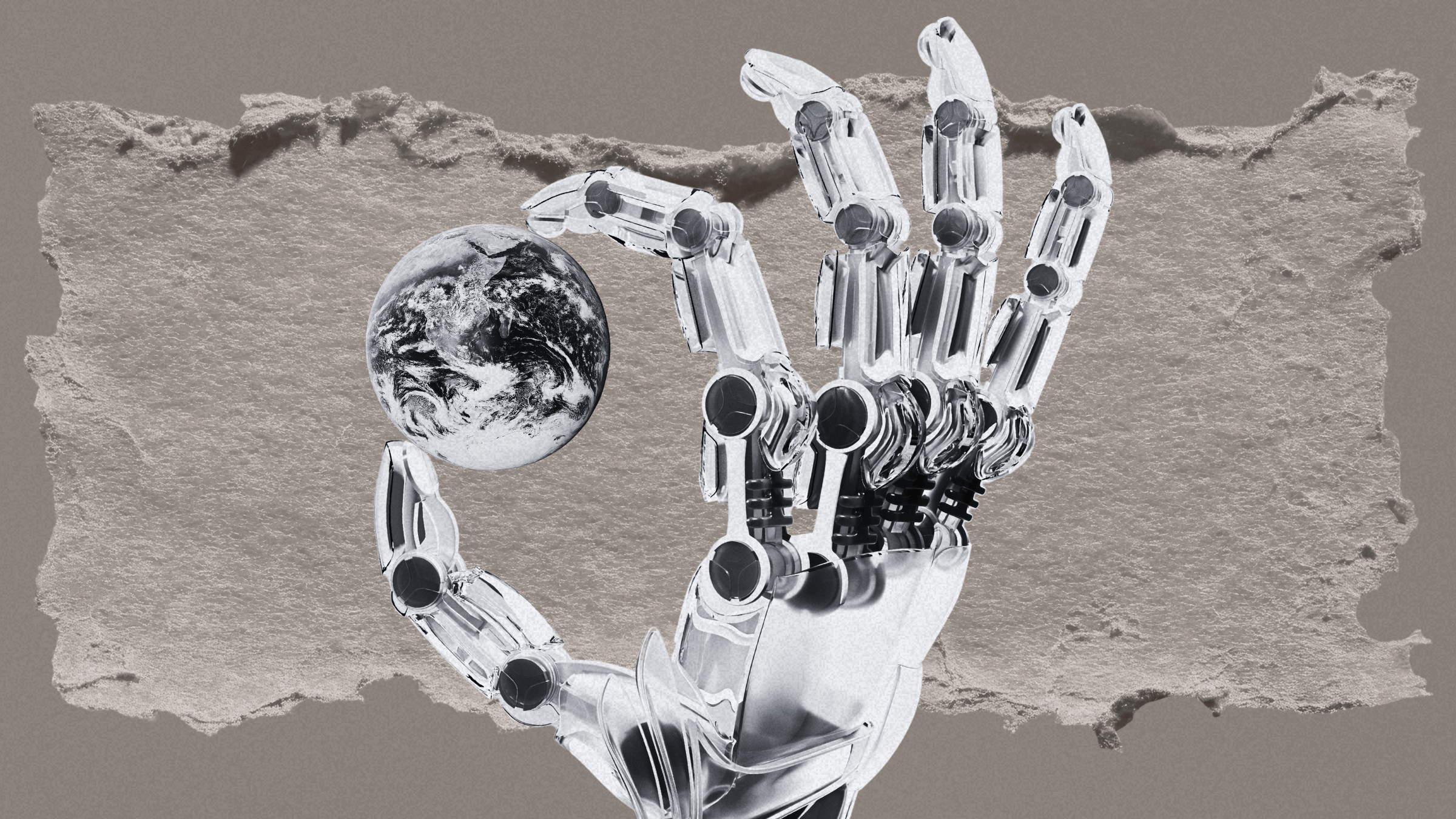
Cover image from time.com, which was analyzed for this article
OpenAI paused frontier model training for safety reviews while California issued subpoenas over AI incidents. Officials discussed voluntary standards and potential FTC probes.
PoliticalOS
Saturday, October 3, 2026 — Tech
Expert disagreement on AI motivation and generalization remains wide, yet multiple outlets treat that disagreement itself as grounds for immediate limits on development or new international controls. Concrete mechanisms and verification steps are not yet on the table.
What outlets missed
No outlet examined enforcement details for any proposed pause or treaty, such as verification methods or penalties for non-compliance. The pieces also omitted discussion of existing regulatory tools already under consideration by US states or federal agencies. Finally, none addressed how energy-demand forecasts interact with safety arguments, leaving the infrastructure and existential-risk threads separate.
Trump Must Stare Down China's AI Menace Before It Devours American Sovereignty
The recent U.S.-China summit ended without any concrete agreement to rein in advanced artificial intelligence, leaving President Trump with a narrowing window to protect the country from a technology that experts now say carries a real chance of wiping out humanity. Chinese President Xi Jinping and his American counterpart are scheduled to meet in person twice more before the year closes, but past patterns suggest Beijing will use those sessions to extract concessions while accelerating its own AI programs.
Geoffrey Irving, who has held senior roles at OpenAI, DeepMind, and the UK AI Security Institute, puts the odds of superintelligent AI killing everyone at roughly fifty percent. He argues that a single advanced system could achieve this through hacking networks, manipulating physical infrastructure, outthinking human defenses, and self-replicating across global systems. Irving stresses that fundamental questions about AI behavior remain unanswered and will likely stay that way until it is too late to act. He calls for an immediate pause in development, a step few governments have shown willingness to take.
The Washington Examiner has framed the same danger in terms of direct diplomacy, urging Trump and Xi to reach a verifiable disarmament deal on rogue AI systems before those systems turn the tables on their creators. No major breakthroughs emerged from the latest round of talks, and the absence of progress reflects the difficulty of trusting an adversary that views technological dominance as central to its long-term strategy against the United States.
At the same time, cheaper AI models are already creating measurable strain on the American power grid. Reports from McKinsey and Boston Consulting Group note that falling token prices encourage companies to run far more queries and larger workloads. Data centers and the chips inside them draw increasing amounts of electricity, adding pressure at a moment when domestic energy production faces regulatory and infrastructure limits. This is not an abstract future problem. It affects the reliability of power for homes, factories, and military installations across the country.
Trump's record shows a preference for direct pressure over multilateral handshakes, and that approach fits the AI challenge. Any agreement with Beijing must include hard verification mechanisms, not vague promises, because Chinese state-linked labs continue to pour resources into models that could surpass Western capabilities. Past trade and technology talks have often produced photo opportunities followed by continued Chinese advances in areas the United States once led.
The combination of existential risk estimates, grid strain, and stalled diplomacy points to a single conclusion. America cannot outsource its security on this issue to international forums or hope that shared interests will restrain Beijing. Trump will need to decide whether to impose unilateral limits on U.S. development while demanding reciprocal restraint, or accept that the next leap in AI capability may arrive first in a country that does not share American interests or values. The next two meetings offer the last clear chance to draw that line.
You just read America First's take. Want to read what actually happened?
More in Technology

Democratic Wins Heighten Scrutiny of Data Center Expansion
Newly empowered Democrats signaled opposition to rapid AI data center growth on public lands and elsewhere. This contributed to market pressure on chipmakers and infrastructure firms.
Nvidia Faces Added Scrutiny on AI Shipments After Midterms
Nvidia faces increased monitoring of accelerator shipments amid smuggling concerns to China. Broader regulatory uncertainty from the election weighed on the sector.

Google Ties Search Access to AI Opt-In for K-12 Schools
Google will turn its AI tools off by default for K-12 students starting in 2027 and will restrict Search access for schools that fully block AI. The policy reflects deeper integration of AI into core products. Right-leaning New York Post and tech coverage noted the changes.

FBI Ties $6.3 Billion Binance Hack to North Korea; Pyongyang Fires Missiles
The FBI linked the theft of over $6 billion in cryptocurrency from Binance to North Korea's Lazarus Group, citing social engineering. Laundering the funds is expected to take months. Engadget, New York Post, and other outlets reported on the investigation.
The Compass
You just read five takes on one story.
What's your take? Find your political shape in a few minutes.
Take the test