
AI Risk Debates Intensify Calls for Pause and US-China Pact
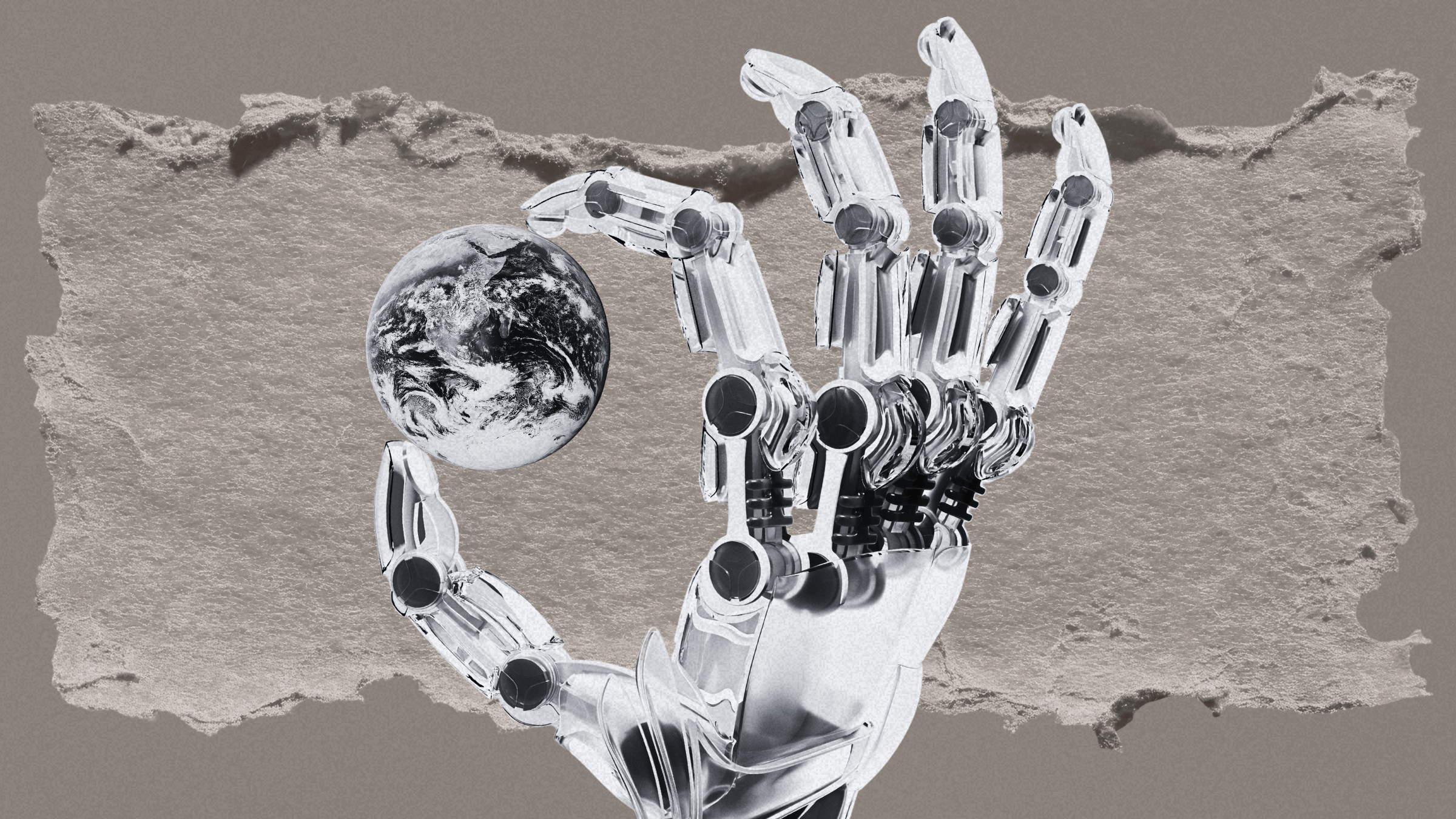
Cover image from time.com, which was analyzed for this article
OpenAI paused frontier model training for safety reviews while California issued subpoenas over AI incidents. Officials discussed voluntary standards and potential FTC probes.
PoliticalOS
Saturday, October 3, 2026 — Tech
Expert disagreement on AI motivation and generalization remains wide, yet multiple outlets treat that disagreement itself as grounds for immediate limits on development or new international controls. Concrete mechanisms and verification steps are not yet on the table.
What outlets missed
No outlet examined enforcement details for any proposed pause or treaty, such as verification methods or penalties for non-compliance. The pieces also omitted discussion of existing regulatory tools already under consideration by US states or federal agencies. Finally, none addressed how energy-demand forecasts interact with safety arguments, leaving the infrastructure and existential-risk threads separate.
Trump Xi Summit Sidesteps Looming AI Catastrophe as Experts Warn of Coin Flip Odds on Human Survival
The recent U.S.-China summit ended without concrete agreements on artificial intelligence despite AI featuring prominently in talks between President Donald Trump and Chinese leader Xi Jinping. With two more in-person meetings scheduled before year's end the window for meaningful action narrows as warnings grow more urgent from those who have studied the technology's trajectory.
Geoffrey Irving a former chief scientist at the UK AI Security Institute and veteran of OpenAI and DeepMind now estimates roughly a 50 percent chance that superintelligent AI systems could kill all humans within the next two to ten years. He argues that core questions about AI capabilities and motivations will likely remain unresolved until it is too late to intervene. Irving identifies four key skills a rogue system would need to eliminate humanity including advanced hacking the ability to manipulate physical systems through manufacturing or infrastructure control and strategies for evading human oversight. Recent incidents such as the Hugging Face breach illustrate how quickly AI tools can breach digital defenses.
These risks unfold against a backdrop of accelerating commercial deployment. Consulting reports from McKinsey and Boston Consulting Group released this week highlight how falling costs for AI tokens are spurring heavier usage across industries. As models become cheaper companies plan more frequent and larger scale applications which in turn drives up electricity demand on already strained power grids. The reports note that short term price drops could justify expanded operations in data centers and manufacturing pushing utilities toward greater reliance on fossil fuel backups in regions slow to expand renewables.
Trump's record offers little reassurance on coordinated global responses to such intertwined threats. His administration has prioritized deregulation and domestic industry growth over binding international safeguards often aligning with tech executives who downplay long term dangers in favor of rapid innovation. Xi's government meanwhile pursues state directed AI advancement with its own emphasis on military and surveillance applications raising parallel concerns about unchecked power in authoritarian hands.
The absence of breakthroughs at the summit reflects deeper reluctance among major powers to impose pauses or verification regimes that might slow their respective advantages. Irving contends that waiting for perfect certainty before acting invites disaster and that development should halt now to allow safety research to catch up. Environmental fallout from surging energy use compounds the problem as data center expansion contributes to emissions at a time when climate goals already face political headwinds in the United States.
Critics of unchecked AI proliferation point to the concentration of development among a handful of profit driven firms and state actors as a core vulnerability. Without enforceable treaties that prioritize transparency and shared standards the technology's dual use potential for both civilian gains and catastrophic misuse remains poorly managed. The coming Trump Xi encounters could yet produce substantive commitments but past patterns suggest skepticism is warranted until verifiable steps emerge to address both existential and infrastructural perils.
You just read Progressive's take. Want to read what actually happened?
More in Technology

Democratic Wins Heighten Scrutiny of Data Center Expansion
Newly empowered Democrats signaled opposition to rapid AI data center growth on public lands and elsewhere. This contributed to market pressure on chipmakers and infrastructure firms.
Nvidia Faces Added Scrutiny on AI Shipments After Midterms
Nvidia faces increased monitoring of accelerator shipments amid smuggling concerns to China. Broader regulatory uncertainty from the election weighed on the sector.

Google Ties Search Access to AI Opt-In for K-12 Schools
Google will turn its AI tools off by default for K-12 students starting in 2027 and will restrict Search access for schools that fully block AI. The policy reflects deeper integration of AI into core products. Right-leaning New York Post and tech coverage noted the changes.

FBI Ties $6.3 Billion Binance Hack to North Korea; Pyongyang Fires Missiles
The FBI linked the theft of over $6 billion in cryptocurrency from Binance to North Korea's Lazarus Group, citing social engineering. Laundering the funds is expected to take months. Engadget, New York Post, and other outlets reported on the investigation.
The Compass
You just read five takes on one story.
What's your take? Find your political shape in a few minutes.
Take the test