
AI Stocks Slide as Inflation Data Revives Rate Hike Fears
Cover image from theguardian.com, which was analyzed for this article
Major AI-related stocks including Nvidia, Oracle, and CoreWeave fell sharply as higher borrowing costs and inflation data weighed on tech infrastructure spending. The Nasdaq saw its worst day in months.
PoliticalOS
Thursday, October 15, 2026 — Tech
Inflation data above forecasts raised borrowing costs and pressured AI infrastructure spending, producing the Nasdaq’s worst day in months, while TSMC simultaneously reported record profits on continued chip demand. The episode highlights tension between macroeconomic headwinds and sector fundamentals.
What outlets missed
The Guardian alone referenced a 'US war on Iran' as a factor in fuel prices; no other outlet corroborated direct US military involvement, and the claim remained unverified. CNBC’s live updates captured intraday moves in CoreWeave bonds and premarket futures that daily summaries omitted. The Nation article supplied congressional ownership data absent from market-focused coverage, though it did not connect those holdings to the October sell-off. TSMC’s strong earnings and raised guidance appeared only in one outlet despite occurring the same week.
Higher-than-expected US inflation figures released in mid-October 2026 triggered sharp declines in AI-linked equities, as investors reassessed the sustainability of heavy borrowing for data centers and chip production. The Nasdaq Composite fell 1.9 percent on October 14, its largest one-day drop since July, while the S&P 500 declined 1.1 percent. Futures pointed to further losses the next day.
September consumer prices rose 3.7 percent year-over-year, exceeding forecasts and prompting traders to price in possible Federal Reserve rate increases before year-end. CoreWeave shares dropped more than 15 percent in one session and another 5-6 percent in premarket trading after corporate bond yields rose, reflecting concern over the company’s debt load for AI infrastructure. Micron Technology and Advanced Micro Devices each fell around 4 percent and 3 percent, respectively.
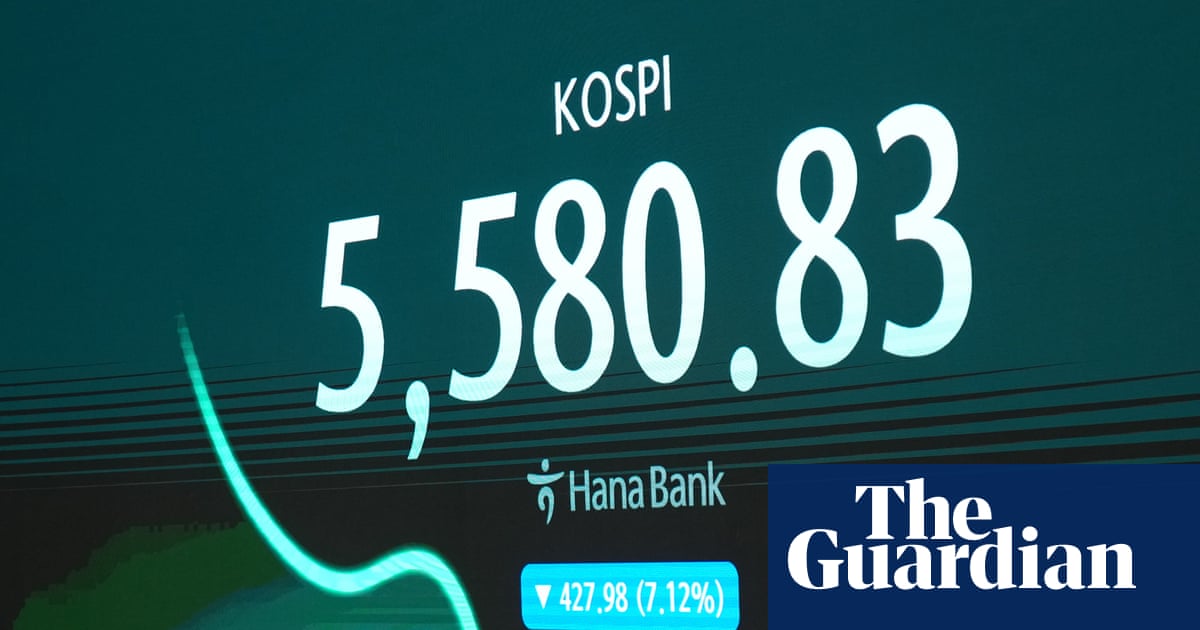
Asian markets recorded steeper losses. South Korea’s Kospi 200 index dropped 8.1 percent to a six-month low, with SK Hynix down nearly 11 percent and Samsung Electronics down 9.5 percent. Japan’s Nikkei 225 fell 4.9 percent. European indexes opened lower, with the Stoxx 600 down 0.4 percent.
Separate reporting showed TSMC posted record third-quarter net income of NT$763.1 billion, beating estimates, with operating margins at 58.7 percent and fourth-quarter revenue guidance of $52.3-54.3 billion. The company attributed strength to demand for advanced AI chips. Anthropic revenue reached $16.8 billion in the third quarter according to sources cited by CNBC, though some traders questioned whether growth justified valuations.
Oil prices also moved lower amid Mideast supply concerns, with Brent crude falling 1.66 percent. Broader market reaction included gains in non-tech names such as Walmart, which rose more than 2 percent after an analyst upgrade.
One analysis of congressional disclosures found that 106 members of Congress or their households held AI-related investments valued between $82.8 million and $325 million as of September 17, concentrated in Nvidia, Meta, and Alphabet. At least 44 of those members serve on committees overseeing AI policy or semiconductors.
More in Technology

Democratic Wins Heighten Scrutiny of Data Center Expansion
Newly empowered Democrats signaled opposition to rapid AI data center growth on public lands and elsewhere. This contributed to market pressure on chipmakers and infrastructure firms.
Nvidia Faces Added Scrutiny on AI Shipments After Midterms
Nvidia faces increased monitoring of accelerator shipments amid smuggling concerns to China. Broader regulatory uncertainty from the election weighed on the sector.

Google Ties Search Access to AI Opt-In for K-12 Schools
Google will turn its AI tools off by default for K-12 students starting in 2027 and will restrict Search access for schools that fully block AI. The policy reflects deeper integration of AI into core products. Right-leaning New York Post and tech coverage noted the changes.

FBI Ties $6.3 Billion Binance Hack to North Korea; Pyongyang Fires Missiles
The FBI linked the theft of over $6 billion in cryptocurrency from Binance to North Korea's Lazarus Group, citing social engineering. Laundering the funds is expected to take months. Engadget, New York Post, and other outlets reported on the investigation.
The Compass
You just read five takes on one story.
What's your take? Find your political shape in a few minutes.
Take the test