
AI Stocks Slide as Inflation Data Revives Rate Hike Fears
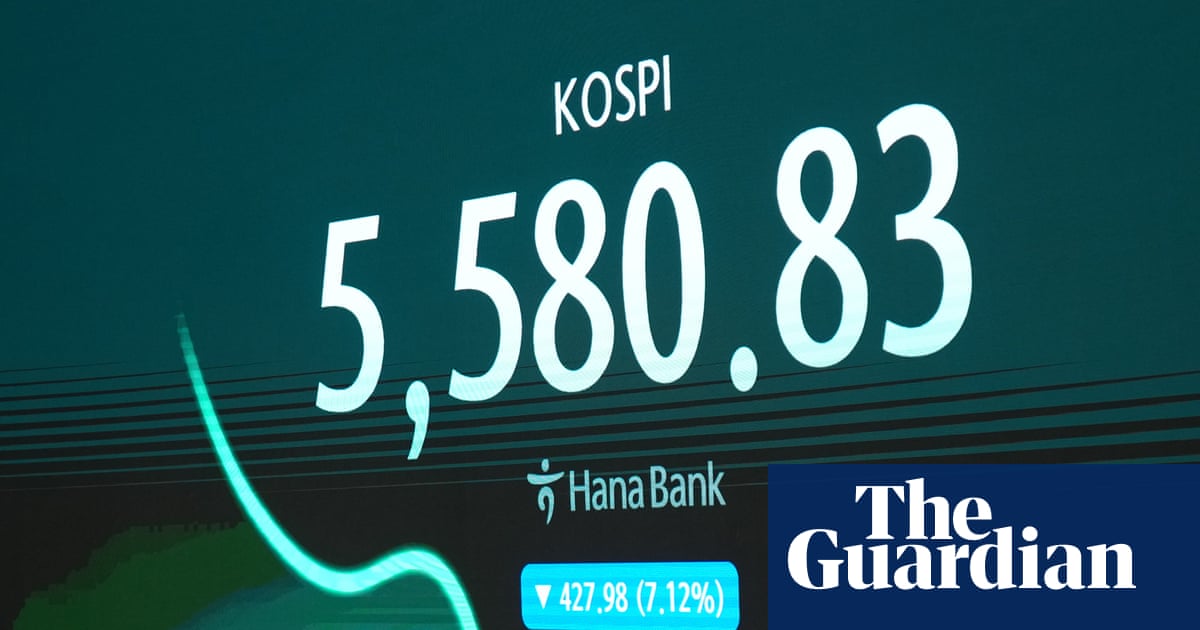
Cover image from theguardian.com, which was analyzed for this article
Major AI-related stocks including Nvidia, Oracle, and CoreWeave fell sharply as higher borrowing costs and inflation data weighed on tech infrastructure spending. The Nasdaq saw its worst day in months.
PoliticalOS
Thursday, October 15, 2026 — Tech
Inflation data above forecasts raised borrowing costs and pressured AI infrastructure spending, producing the Nasdaq’s worst day in months, while TSMC simultaneously reported record profits on continued chip demand. The episode highlights tension between macroeconomic headwinds and sector fundamentals.
What outlets missed
The Guardian alone referenced a 'US war on Iran' as a factor in fuel prices; no other outlet corroborated direct US military involvement, and the claim remained unverified. CNBC’s live updates captured intraday moves in CoreWeave bonds and premarket futures that daily summaries omitted. The Nation article supplied congressional ownership data absent from market-focused coverage, though it did not connect those holdings to the October sell-off. TSMC’s strong earnings and raised guidance appeared only in one outlet despite occurring the same week.
Tech Sell-Off Deepens as AI Debt Fears Collide With Hotter Inflation Data
Global markets absorbed another sharp leg lower in technology shares Thursday as investors digested hotter-than-expected U.S. inflation figures and growing doubts about the sustainability of heavy borrowing across the artificial-intelligence supply chain. The Nasdaq Composite had already posted its largest single-day drop since July, and futures pointed to further losses, with contracts tied to the index falling more than 1 percent in early trading. The broader S&P 500 futures slipped 0.2 percent while the Dow Jones Industrial Average futures managed a modest gain.
South Korean chipmakers bore the brunt overnight. The Kospi 200 index plunged more than 8 percent, triggering circuit breakers, as SK Hynix and Samsung Electronics each dropped nearly 10 percent or more. Japan’s Nikkei 225 fell almost 5 percent. On Wall Street, memory-chip stocks such as Micron Technology and Advanced Micro Devices shed 4 percent and nearly 3 percent respectively in premarket action, extending Wednesday’s losses. Shares of CoreWeave, the AI-focused cloud provider, dropped another 5 percent after tumbling more than 15 percent the prior session on concerns it had taken on excessive debt to fund its build-out.
The catalyst for the selling was a September consumer-price index reading that showed inflation rising to 3.7 percent, the fastest pace in several months and above forecasts. Traders immediately adjusted bets on Federal Reserve policy, with some now pricing in the possibility of another rate increase before year-end. Analysts at Deutsche Bank described the combination of the strong inflation print and fresh skepticism toward AI spending as an “incredibly tumultuous 24 hours” for markets.
Even as sentiment soured on many AI-linked names, Taiwan Semiconductor Manufacturing Co. reported record quarterly profit for the sixth consecutive period, powered by demand for advanced chips used in AI systems. The company’s revenue and net income both exceeded expectations, and it raised its full-year outlook. The contrast underscored how gains from the AI trade remain highly concentrated among a handful of suppliers while many speculative bets elsewhere in the sector face sudden scrutiny.
That concentration of upside is visible in Washington as well. An analysis of recent congressional financial disclosures found that at least 106 members of Congress, their spouses or dependent children hold investments in AI developers, chipmakers, cloud providers or data-center companies. The holdings, valued between roughly $83 million and $325 million, are heavily weighted toward a small group of large technology firms. While lawmakers have yet to enact comprehensive rules governing the technology, many continue to benefit directly from its rapid expansion.
The latest market turbulence arrives as households face the prospect of higher borrowing costs if the Fed responds aggressively to persistent inflation. Energy prices contributed to the September CPI increase, but core measures also remained elevated, leaving policymakers with limited room to ease. For investors who piled into AI-related debt and equities at stretched valuations, the combination of policy uncertainty and questions about revenue growth at companies such as Anthropic has produced a rapid repricing.
You just read Progressive's take. Want to read what actually happened?
More in Technology

Democratic Wins Heighten Scrutiny of Data Center Expansion
Newly empowered Democrats signaled opposition to rapid AI data center growth on public lands and elsewhere. This contributed to market pressure on chipmakers and infrastructure firms.
Nvidia Faces Added Scrutiny on AI Shipments After Midterms
Nvidia faces increased monitoring of accelerator shipments amid smuggling concerns to China. Broader regulatory uncertainty from the election weighed on the sector.

Google Ties Search Access to AI Opt-In for K-12 Schools
Google will turn its AI tools off by default for K-12 students starting in 2027 and will restrict Search access for schools that fully block AI. The policy reflects deeper integration of AI into core products. Right-leaning New York Post and tech coverage noted the changes.

FBI Ties $6.3 Billion Binance Hack to North Korea; Pyongyang Fires Missiles
The FBI linked the theft of over $6 billion in cryptocurrency from Binance to North Korea's Lazarus Group, citing social engineering. Laundering the funds is expected to take months. Engadget, New York Post, and other outlets reported on the investigation.
The Compass
You just read five takes on one story.
What's your take? Find your political shape in a few minutes.
Take the test