
Housing Bill Becomes Law Without Trump Signature After 10-Day Window
Cover image from cbsnews.com, which was analyzed for this article
Major legislation on housing affordability took effect despite President Trump's refusal to sign it and criticism that Congress should focus on other priorities. The law is expected to influence markets and affordability nationwide.
PoliticalOS
Saturday, July 11, 2026 — Politics
A sweeping bipartisan housing law is now in force because Congress passed it with veto-proof margins, yet the president withheld his signature to pressure action on election legislation that remains blocked in the Senate. The outcome shows both the durability of the housing measure and the limits of using one bill as leverage for another.
What outlets missed
The precise House and Senate vote tallies (390-9 and 89-10) appear in only one account and confirm the breadth of bipartisan support. Detailed provisions such as the commercial-building conversion pilot, factory-home funding changes, and the exact scope of the institutional-investor limits receive uneven coverage. Trump’s earlier public endorsement of the investor ban during his State of the Union address is noted in one report but omitted elsewhere. Reactions from retiring Republican Sen. Bill Cassidy and White House Press Secretary Karoline Leavitt before Trump’s opposition hardened are absent from most accounts.
Housing costs rank among the top concerns for American voters, and a major federal response took effect at midnight Saturday when the 21st Century ROAD to Housing Act became law without President Donald Trump’s signature. The legislation, the largest federal overhaul of housing policy in decades, passed Congress last month and cleared the constitutional 10-day period for action after the House transmitted it to the White House on June 29.
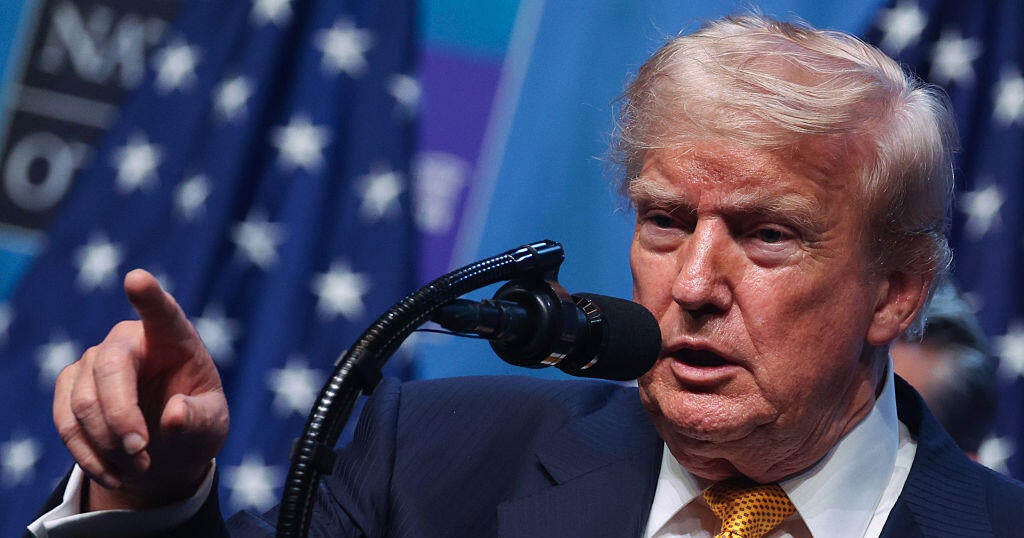
Trump declined to sign or veto the measure, citing his demand that the Senate first pass the SAVE America Act. That separate bill would require proof of citizenship to register for federal elections, impose voter ID rules, restrict mail-in voting, and bar men from competing in women’s sports. Trump posted on Truth Social that he would withhold his signature “in PROTEST over the fact that the United States Senate is not capable of passing THE SAVE AMERICA ACT.” The SAVE America Act has cleared the House but lacks the 60 votes needed to advance in the Senate.
The housing legislation cleared the House 390-9 and the Senate 89-10. It contains more than 45 provisions intended to increase supply and reduce costs. These include streamlined environmental reviews for new construction, relaxed rules for factory-built homes, an innovation fund for communities that expand zoning, a pilot program to convert vacant commercial buildings into housing, and limits on institutional investors purchasing existing single-family homes. The investor restrictions apply only to existing stock, leaving incentives intact for new development.
Trump had canceled a planned signing ceremony in June and described the housing measure as “so unimportant” and “a big yawn” compared with the election bill. He also questioned the investor provision, telling reporters he did not want to hurt people who own homes. House Speaker Mike Johnson said the president had “a lot going on” and had not read every line, while adding that Republicans would still celebrate the law’s results.
Democratic leaders criticized the refusal to sign. Sen. Elizabeth Warren of Massachusetts, the bill’s lead Senate proponent, said Trump “couldn’t pick up the pen because he just isn’t interested in lowering costs for American families.” Senate Majority Leader Chuck Schumer and House Minority Leader Hakeem Jeffries issued similar statements linking the episode to higher costs and election-related priorities. Trump has separately removed the remaining commissioners from an independent election-assistance body.
The law takes effect nationwide and is projected to affect buyers, renters, builders, and local zoning decisions. Senate Republican leaders have stated that the SAVE America Act does not currently have the votes to overcome a filibuster.
More in Politics

Federal Agents Search Omar Home in Ongoing Immigration Probe
Homeland Security agents searched the Minnesota Democrat's DC residence in a criminal probe, prompting accusations of political intimidation from Omar and Democratic leaders. Coverage spans left-leaning outlets like NPR, BBC, and The Guardian alongside right-leaning criticism from The Federalist and Daily Wire.

Trump Diesel Import Plan Draws Pushback Over Russia Ties
The weekend agreement drew bipartisan congressional pushback and criticism from Ukraine's Zelenskyy, with analysts downplaying US fuel price impacts. Right-leaning outlets like National Review, Dispatch, and Washington Examiner questioned its legality and effectiveness.

Independents Test Voter Appetite for Middle Ground in 2026 Midterms
Nearly 200 independents are running in competitive races as voters weigh ballot measures on housing costs in states like Massachusetts. Left-leaning coverage from NYT, NPR, and Guardian highlights turnout and key races while right outlets focus on GOP strategy.
Trump Rallies in Alaska, Ohio to Bolster GOP Senate Candidates
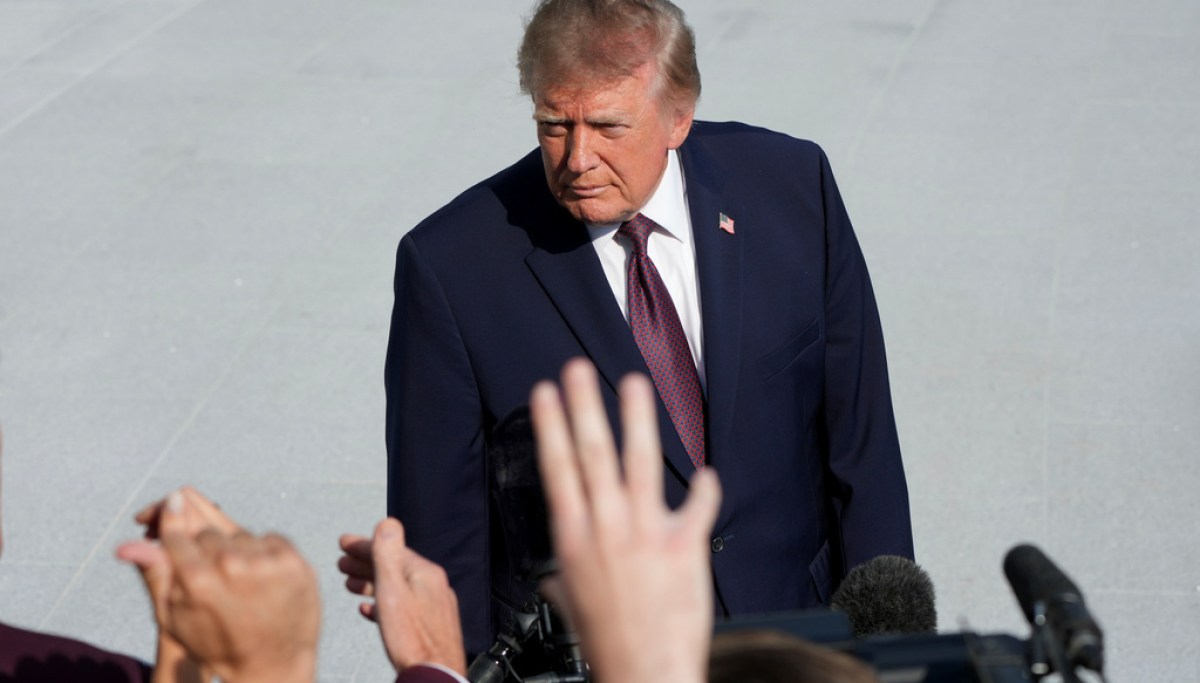
The president rallied in Wasilla for Sen. Dan Sullivan and faced empty seats at an Ohio event amid midterm concerns. Outlets across the spectrum covered the trips as signals of GOP vulnerability weeks before Election Day.
The Compass
You just read five takes on one story.
What's your take? Find your political shape in a few minutes.
Take the test