
US Intel Alleges China Readying Air Defenses for Iran in Ceasefire Window
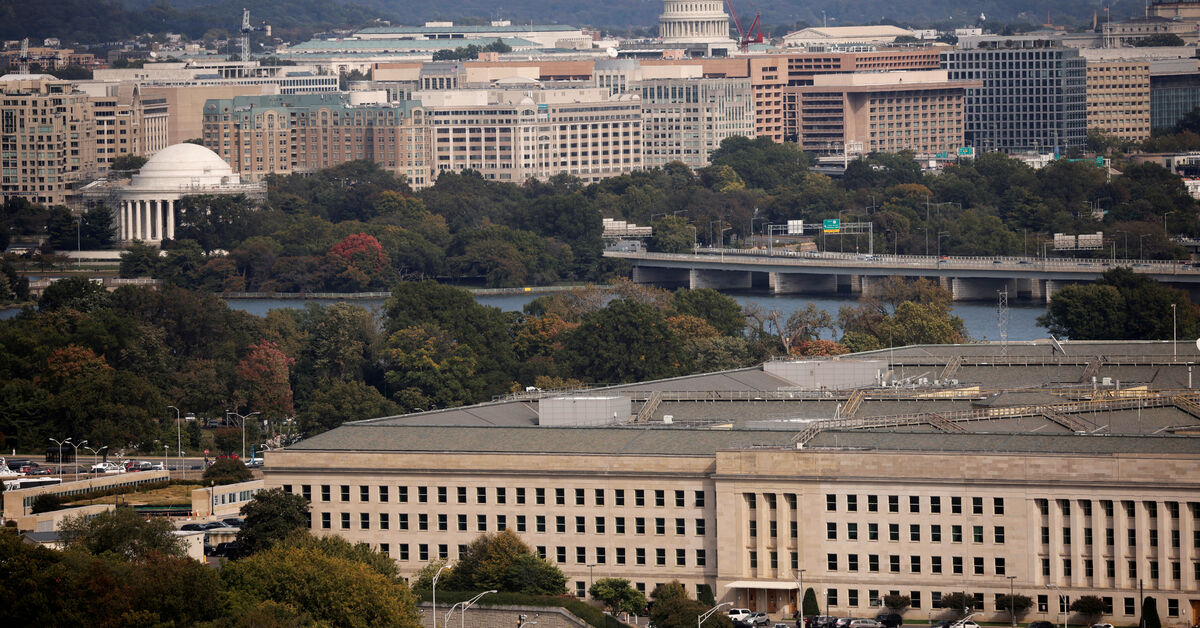
Cover image from al-monitor.com, which was analyzed for this article
US intelligence reports China planning air defense systems delivery to Iran during the fragile ceasefire, potentially undermining talks. The move heightens Gulf tensions. It coincides with negotiations over sanctions and assets.
PoliticalOS
Saturday, April 11, 2026 — Politics
U.S. intelligence has again accused China of preparing MANPAD deliveries to Iran during a fresh ceasefire, a claim Beijing immediately and comprehensively denied. No independent evidence has yet surfaced, and similar past allegations have not produced verified transfers. The real stakes lie in whether these leaks will complicate imminent U.S.-Iran talks hosted by Pakistan or simply reflect ongoing great-power competition.
What outlets missed
Both outlets underplayed Pakistan's central role as the primary broker and host of the ceasefire talks, instead inflating or omitting China's diplomatic contribution. They also failed to note the complete absence of public corroborating evidence such as satellite imagery or manifests, despite this being the third round of similar U.S. accusations since February. Coverage largely ignored Washington's simultaneous dependence on Beijing for critical defense minerals, which creates a contradictory leverage dynamic. Finally, neither story fully explored how dual-use technology sales already acknowledged by sources differ from outright weapons shipments, a distinction that matters under international sanctions regimes.
China Prepares Missile Deliveries to Iran Despite Brokering Recent Cease-Fire
US intelligence has concluded that China is actively preparing to ship advanced shoulder-fired anti-aircraft missiles to Iran within the coming weeks, a development that arrives at a moment when Beijing has positioned itself as a key broker of the fragile cease-fire ending six weeks of direct conflict between Washington and Tehran. The timing underscores a recurring pattern in which public diplomacy and private material support often pull in opposite directions, with consequences that fall most heavily on those who must operate in the resulting uncertainty.
According to assessments shared with CNN and corroborated by multiple sources, the systems in question are MANPADs, heat-seeking weapons designed to lock onto an aircraft’s engine exhaust. These portable missiles proved a serious threat to American air operations during the fighting. One came close to destroying an F/A-18 Super Hornet last week, and President Trump stated that a handheld heat-seeking missile was responsible for the downing of an F-15 over Iran. The prospect of fresh supplies reaching Iranian forces therefore carries immediate operational weight for US pilots and planners.
Even more telling is the reported method of delivery. Intelligence indicates Beijing intends to route the shipments through third countries to conceal their origin. Such steps suggest an awareness that the transfer would be viewed as provocative, particularly since China helped arrange the cease-fire only days ago. The contrast between that diplomatic role and the continued flow of military technology is difficult to reconcile with declarations of responsible statecraft.
Additional reporting reveals that Chinese firms have persisted in selling dual-use components to Iran that aid weapons production and improve navigation accuracy, despite long-standing international sanctions. These commercial ties form a deeper pattern of material assistance that extends beyond any single shipment. When governments weigh rhetoric against observable behavior, the latter frequently offers a clearer guide to actual incentives.
China’s embassy in Washington pushed back sharply. A spokesperson told CNN that “China has never provided weapons to any party to the conflict” and described the intelligence reports as untrue. The statement cast Beijing as a “responsible major country” that meets its international obligations and urged the United States to avoid “baseless allegations” and “sensationalism.” Instead, the embassy called on all sides to focus on de-escalation. The language follows a familiar script in which denials are issued even as routes are reportedly chosen precisely to obscure responsibility.
The episode occurs against the backdrop of high-level US-Iranian negotiations scheduled for Saturday in Islamabad. Those talks aim to transform a shaky pause in hostilities into something more durable. Yet the intelligence about impending arms deliveries injects a note of skepticism. If one party to the cease-fire is simultaneously enhancing the other’s ability to threaten American aircraft, the durability of any paper agreement depends less on signatures than on the willingness to enforce its terms. History offers numerous examples of cease-fires that collapsed when the underlying incentives to cheat remained intact.
For American policymakers, the reports highlight enduring realities about great-power competition. China’s economic relationship with Iran, its strategic interest in limiting US influence in the Gulf, and its willingness to stretch sanctions regimes all shape its decisions more powerfully than rhetorical commitments to stability. The same logic applies to Iran, which has every reason to rebuild its air defenses after sustaining losses in the recent fighting. Each actor is responding to the situation as it actually exists rather than as others wish it to be.
The US State Department, White House, and Chinese embassy declined immediate comment on the initial intelligence findings, though the embassy’s later denial clarified Beijing’s public stance. What remains is a practical question for those charged with American security: how to conduct diplomacy with an adversary that supplies the very weapons threatening US forces while claiming the mantle of peacemaker. The intelligence community’s assessment does not answer that question, but it does clarify the environment in which any answer must be fashioned.
Should the shipments proceed as reported, they would represent more than a technical upgrade for Iranian militias. They would signal that the cease-fire is being used as breathing space to rearm rather than as a foundation for genuine restraint. Such moments test whether American strategy will rest on the hope that declared intentions match hidden actions or on a clear-eyed recognition that material support for adversaries carries predictable costs. The coming weeks, including the Islamabad talks and any verification of the reported transfers, will provide further evidence about which approach better aligns with observable facts. In foreign affairs, as in other domains, outcomes ultimately reflect incentives more reliably than they reflect statements.
You just read Conservative's take. Want to read what actually happened?