
US Intel Alleges China Readying Air Defenses for Iran in Ceasefire Window
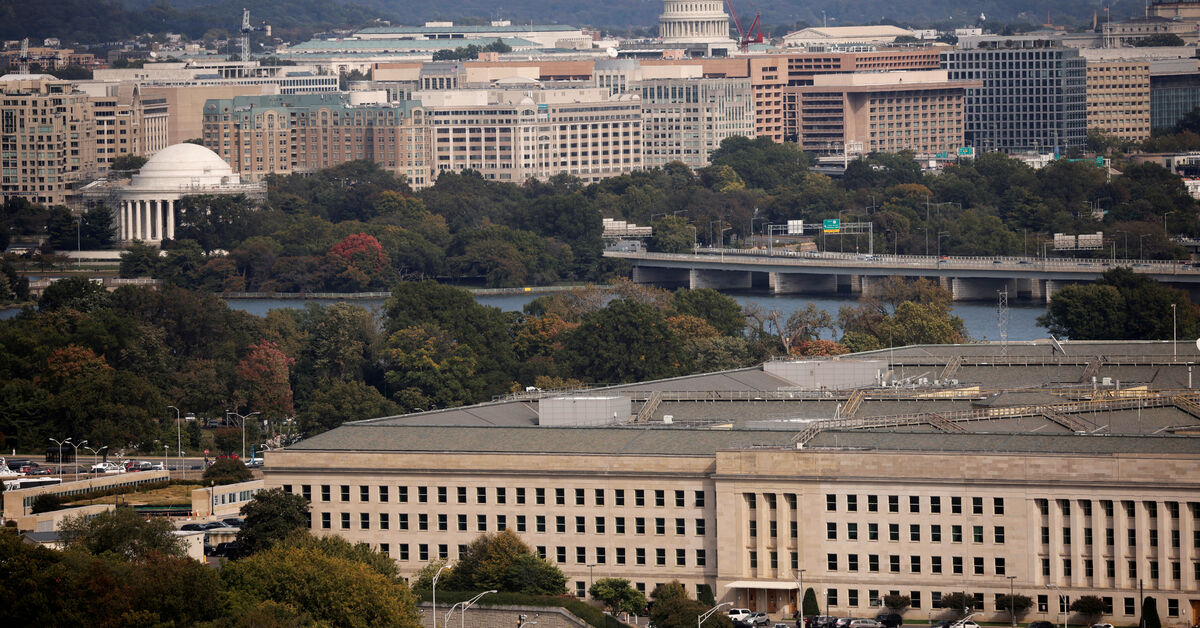
Cover image from al-monitor.com, which was analyzed for this article
US intelligence reports China planning air defense systems delivery to Iran during the fragile ceasefire, potentially undermining talks. The move heightens Gulf tensions. It coincides with negotiations over sanctions and assets.
PoliticalOS
Saturday, April 11, 2026 — Politics
U.S. intelligence has again accused China of preparing MANPAD deliveries to Iran during a fresh ceasefire, a claim Beijing immediately and comprehensively denied. No independent evidence has yet surfaced, and similar past allegations have not produced verified transfers. The real stakes lie in whether these leaks will complicate imminent U.S.-Iran talks hosted by Pakistan or simply reflect ongoing great-power competition.
What outlets missed
Both outlets underplayed Pakistan's central role as the primary broker and host of the ceasefire talks, instead inflating or omitting China's diplomatic contribution. They also failed to note the complete absence of public corroborating evidence such as satellite imagery or manifests, despite this being the third round of similar U.S. accusations since February. Coverage largely ignored Washington's simultaneous dependence on Beijing for critical defense minerals, which creates a contradictory leverage dynamic. Finally, neither story fully explored how dual-use technology sales already acknowledged by sources differ from outright weapons shipments, a distinction that matters under international sanctions regimes.
US Intelligence Points to Chinese Arms Flow to Iran Testing Fragile Cease-Fire
Washington is closely monitoring intelligence that suggests China is preparing to ship shoulder-fired anti-aircraft missiles to Iran in the coming weeks, a development that arrives at a moment of extreme delicacy in the Persian Gulf. The reports, first aired by CNN and drawing on multiple sources familiar with American assessments, describe Beijing actively working to obscure the transfers by routing them through third countries. The systems in question are MANPADs, lightweight heat-seeking weapons capable of targeting low-flying aircraft by locking onto engine exhaust. Their arrival would represent a significant upgrade for Iranian forces still recovering from a five-week war with the United States that ended in a cease-fire China itself helped negotiate just days ago.
The timing could hardly be more provocative. That cease-fire, still measured in days rather than months, remains brittle. American and Iranian diplomats are scheduled to meet Saturday in Islamabad for high-level talks aimed at preventing any return to open conflict. The prospect of new Chinese weapons entering Iran during this window raises immediate questions about whether Beijing is hedging its bets, seeking to restore a rough balance of power, or simply continuing long-standing military ties that predate the latest fighting. U.S. officials have long worried about exactly this kind of proliferation. During the recent clashes a shoulder-fired missile nearly brought down an F/A-18 Super Hornet, and President Trump himself noted that a U.S. F-15 lost over Iran was struck by a similar heat-seeking system, though its precise origin remains unconfirmed in public.
The intelligence picture painted by the sources is broader than a single shipment. Chinese firms, according to the same assessments, have continued supplying Iran with dual-use technology that could improve weapons guidance and navigation systems despite Western sanctions. This pattern fits a larger pattern of Chinese engagement with Tehran that mixes economic self-interest, strategic positioning against American influence, and rhetorical commitment to stability. Beijing has cultivated deep energy and trade links with Iran for years. At the same time, Chinese diplomats positioned themselves as peacemakers in the recent crisis, helping broker the truce that paused direct U.S.-Iran hostilities.
China forcefully denied the latest allegations. A spokesperson for the embassy in Washington told CNN that Beijing has never provided weapons to any party in the conflict and described the reports as “untrue.” The statement framed China as a “responsible major country” meeting its international obligations and urged the United States to avoid “baseless allegations” and “sensationalism.” It called on all sides to focus on de-escalation. The tone was familiar, echoing Beijing’s standard rebuttals to American intelligence claims, yet the specifics matter here. If the shipments proceed through intermediaries, verification will be difficult and the public dispute could poison the atmosphere in Islamabad before talks even begin.
The larger stakes extend beyond any single missile crate. The short war exposed the speed with which regional tensions can escalate into direct superpower-adjacent conflict. Iran’s ability to threaten American air assets with relatively cheap systems proved a serious operational problem. Additional MANPADs would complicate future American military planning and potentially embolden Iranian proxies across the region. Yet the intelligence also underscores the limits of U.S. leverage. Sanctions, military strikes, and diplomatic isolation have not severed the Sino-Iranian connection. Instead they appear to have pushed the relationship into more opaque channels.
For the Biden administration’s successors, this episode highlights a recurring dilemma in American foreign policy. Washington must balance pressure on China over Taiwan, technology theft, and South China Sea assertiveness with the need for Beijing’s cooperation on Iran, North Korea, and climate. The reported weapons route-through-third-countries tactic is a classic evasion method that exploits globalization’s tangled supply chains. Tracking and interdicting such shipments without triggering a larger diplomatic rupture will test intelligence and diplomatic machinery already stretched thin.
Saturday’s negotiations in Pakistan therefore carry unusual weight. Both sides arrive knowing that outside actors hold pieces of the puzzle. China’s role as both cease-fire guarantor and alleged arms supplier creates an obvious contradiction. Resolving it will require more than public denials or leaked intelligence. It will demand sustained, if uncomfortable, dialogue among Washington, Beijing, and Tehran about acceptable boundaries for military support in a region that has already seen too much violence this decade.
The reports also arrive against a backdrop of domestic American debate about long-term strategy in the Middle East. After years of drawdowns and pivots to Asia, the recent war served as a reminder that geography and oil still exert gravitational force on U.S. policy. Yet deeper entanglement carries its own risks, particularly if it accelerates a broader axis of convenience between China, Iran, and Russia. Intelligence leaks of this nature often serve multiple purposes: to deter the transfer by exposing it, to prepare the public for possible future confrontation, and to shape negotiations by putting the other side on the defensive.
How Beijing ultimately behaves in the next several weeks may reveal more about its true priorities than any white paper from its foreign ministry. If the shipments are delayed or quietly shelved, it could signal that China values the stability it helped broker more than tactical advantage for Tehran. If they proceed, the fragile cease-fire may prove shorter than hoped, and the Islamabad talks could become less about ending one war than preventing the next. Either outcome will test whether great-power competition and regional de-escalation can coexist, or whether the gravitational pull of rivalry will once again overwhelm diplomatic restraint. The coming days are likely to provide an early and sobering answer.
You just read Liberal's take. Want to read what actually happened?