
US Intel Alleges China Readying Air Defenses for Iran in Ceasefire Window
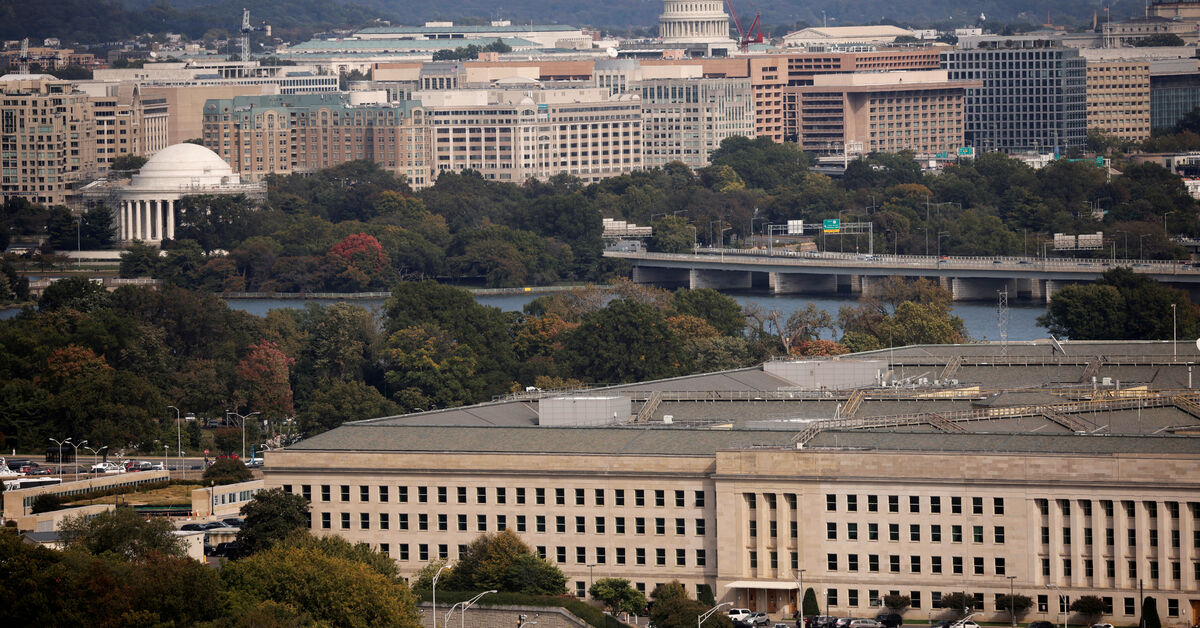
Cover image from al-monitor.com, which was analyzed for this article
US intelligence reports China planning air defense systems delivery to Iran during the fragile ceasefire, potentially undermining talks. The move heightens Gulf tensions. It coincides with negotiations over sanctions and assets.
PoliticalOS
Saturday, April 11, 2026 — Politics
U.S. intelligence has again accused China of preparing MANPAD deliveries to Iran during a fresh ceasefire, a claim Beijing immediately and comprehensively denied. No independent evidence has yet surfaced, and similar past allegations have not produced verified transfers. The real stakes lie in whether these leaks will complicate imminent U.S.-Iran talks hosted by Pakistan or simply reflect ongoing great-power competition.
What outlets missed
Both outlets underplayed Pakistan's central role as the primary broker and host of the ceasefire talks, instead inflating or omitting China's diplomatic contribution. They also failed to note the complete absence of public corroborating evidence such as satellite imagery or manifests, despite this being the third round of similar U.S. accusations since February. Coverage largely ignored Washington's simultaneous dependence on Beijing for critical defense minerals, which creates a contradictory leverage dynamic. Finally, neither story fully explored how dual-use technology sales already acknowledged by sources differ from outright weapons shipments, a distinction that matters under international sanctions regimes.
China rejects US claims of imminent weapons shipment to Iran as peace talks near
US intelligence officials have told CNN that China is preparing to deliver shoulder-fired anti-aircraft missiles to Iran within weeks, a report that lands at a delicate moment in efforts to stabilize a fragile ceasefire between Washington and Tehran. The network’s account, published late Friday, cites three unnamed sources familiar with the assessments and portrays the alleged transfer as particularly provocative given Beijing’s role in helping broker this week’s truce after six weeks of direct US-Iran conflict.
According to the reporting, Beijing is seeking to obscure the origin of the shipments by routing them through third countries. The systems in question are MANPADs, man-portable air-defense missiles that use heat-seeking technology to lock onto aircraft engines or exhaust plumes. Such weapons proved a serious concern for American pilots during the fighting. President Trump himself noted Monday that an F-15 fighter jet shot down over Iran was struck by a “handheld shoulder missile, a heat-seeking missile,” though it remains unclear whether that specific munition came from Chinese stocks. Days earlier, one of the missiles nearly brought down an F/A-18 Super Hornet, the sources told CNN.
The timing is striking. China played a significant part in mediating the ceasefire that paused the open warfare. Yet the same week that high-level US and Iranian negotiators are scheduled to meet in Islamabad, Pakistan, on Saturday to explore a more durable end to hostilities, anonymous American intelligence officials are leaking claims that Beijing is simultaneously arming one side. The New York Post and Al-Monitor both carried versions of the story on Saturday, amplifying the narrative that China is working against the peace it helped arrange.
Beijing flatly denied the allegations. A spokesperson for the Chinese embassy in Washington told CNN, “China has never provided weapons to any party to the conflict; the information in question is untrue.” The statement continued, “As a responsible major country, China consistently fulfills its international obligations. We urge the U.S. side to refrain from making baseless allegations, maliciously drawing connections, and engaging in sensationalism; we hope that relevant parties will do more to help de-escalate tensions.”
Neither the US State Department nor the White House responded immediately to requests for comment. The Chinese embassy’s denial echoes a pattern seen in previous disputes where Washington has cited secret intelligence to accuse Beijing of destabilizing behavior, only for those claims to serve broader strategic aims. In this case the accusations arrive as the United States tries to reassert dominance in the Persian Gulf after a costly and widely criticized military campaign against Iran.
The reported Chinese transfers are not limited to complete weapons systems. Sources also alleged that Chinese companies continue to sell sanctioned dual-use technology that could help Tehran improve its domestic weapons production and navigation capabilities. Such allegations have been a staple of US complaints about China-Iran economic ties for years, yet concrete public evidence is rarely produced. By contrast, the world has watched the United States supply advanced weaponry to allies across the Middle East, often with far less scrutiny.
MANPADs are defensive in nature. They cannot strike cities or ground forces at long range; their purpose is to deny hostile aircraft freedom of movement over a battlefield or sensitive sites. After weeks of American airstrikes that destroyed Iranian air defenses and infrastructure, it is hardly surprising that Tehran would seek additional means to protect its airspace. Yet the US intelligence community appears to treat such self-defense measures as inherently aggressive, especially when the supplier is a strategic competitor.
The choice to leak this information now raises legitimate questions about motive. With direct talks set for Islamabad, the sudden prominence of these claims could be intended to harden American negotiating positions or to pressure China into abandoning its mediator role. It also fits a larger pattern in which Washington accuses others of escalation while continuing its own military posture in the region. The downing of the F-15 and the near-loss of the Navy jet demonstrated that Iran already possesses some air-defense capacity; additional MANPADs would not fundamentally alter the balance of power but would complicate future US bombing runs.
China’s involvement in the ceasefire diplomacy had been viewed by many observers as a rare constructive contribution from a major power often criticized for its assertiveness. If American intelligence is accurate, Beijing would appear to be hedging its bets, supplying defensive tools to a partner while publicly urging calm. If the intelligence is exaggerated or timed for political effect, it risks undermining the very negotiations Washington claims to support.
Saturday’s meeting in Islamabad will now occur under the shadow of these accusations. Iranian officials have long argued that US pressure campaigns, including maximum-pressure sanctions and periodic military strikes, drive Tehran toward closer military ties with countries like China and Russia. The latest leak, whether accurate or not, reinforces that narrative.
For now the public is left with dueling statements: anonymous US sources painting China as a covert arms dealer, and an official Chinese denial that accuses Washington of sensationalism. History suggests skepticism is warranted when intelligence is presented without evidence and timed to influence sensitive diplomatic moments. As the two sides sit down in Pakistan, the real test will be whether Washington prioritizes de-escalation or uses fresh allegations to justify another round of confrontation.
You just read Progressive's take. Want to read what actually happened?