
China Confirms 200 Boeing Jets After Trump-Xi Summit
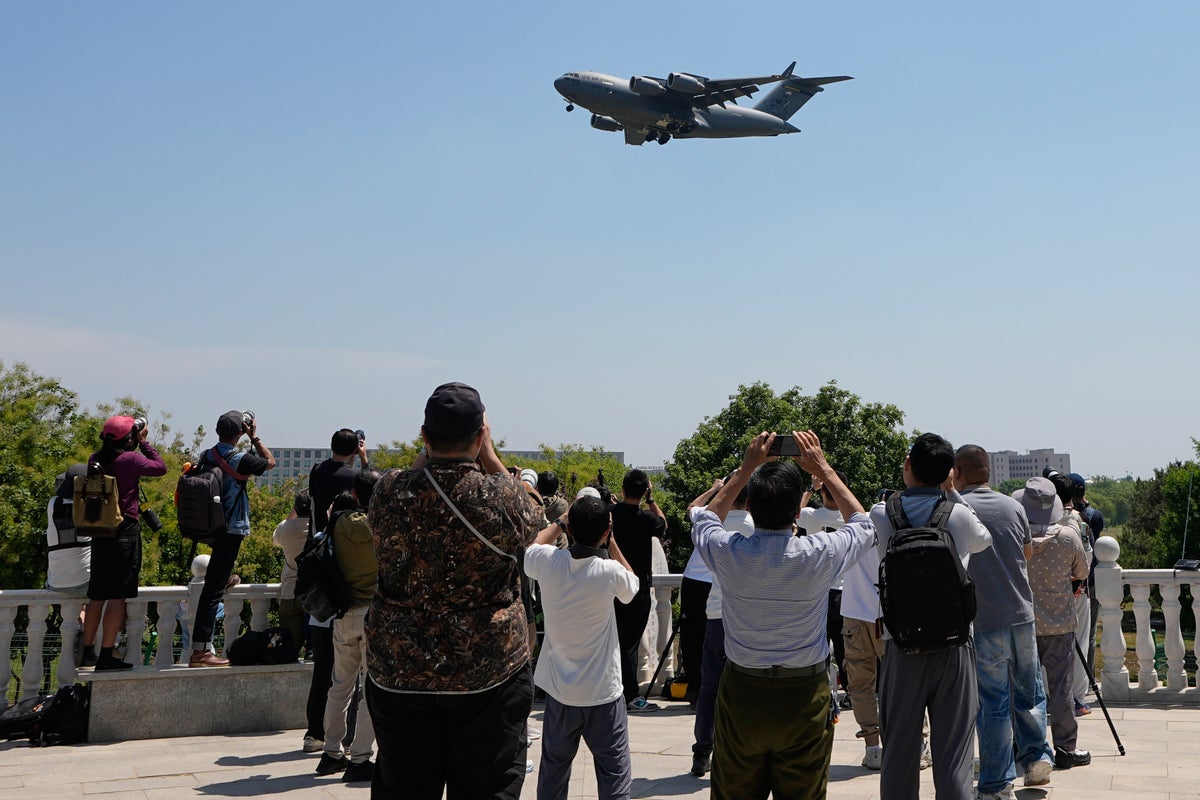
Cover image from independent.co.uk, which was analyzed for this article
China agreed to buy 200 new Boeing aircraft following President Trump's summit with Xi Jinping. The deal was highlighted as a key area of US-China cooperation amid broader trade talks.
PoliticalOS
Wednesday, May 20, 2026 — Business
The confirmed 200-plane order revives a major commercial link between the United States and China but leaves key details unresolved. Readers should watch whether follow-on orders materialize and whether the tariff truce extension produces measurable reductions in barriers.
What outlets missed
Neither outlet reported Boeing's 4.73 percent share-price decline on the announcement day or noted that the 200-plane figure exceeded the company's internal target of 150. Delivery timelines and specific aircraft models remain undisclosed in both accounts, leaving production and revenue implications unaddressed. The Independent omitted Washington state's supply-chain perspective while CNBC left out the analyst assessment that tariff cuts on $30 billion in goods would affect only about 10 percent of U.S. imports from China.
China to Acquire 200 Boeing Jets as Part of Trade Stabilization Efforts
China's commerce ministry confirmed this week that the country will purchase 200 Boeing aircraft along with engines and spare parts, following last week's summit between President Donald Trump and President Xi Jinping in Beijing. The announcement marks the first major Chinese order for Boeing planes since 2017 and comes as both nations seek to extend a trade truce set to expire in November.
The deal emerged from commercial discussions rather than central directives, with officials stressing that purchases align with China's own needs for air transport development. Boeing Chief Executive Kelly Ortberg participated in meetings alongside the summit, including sessions with Chinese Premier Li Qiang. U.S. executives joined these talks, underscoring aviation's role as a practical area for cooperation between the two economies.
President Trump noted after the meetings that orders could grow substantially, potentially reaching 750 aircraft equipped with engines from GE Aerospace. The agreement also includes assurances on the continued supply of aircraft components from the United States. Chinese statements specified that tariff levels on covered goods would remain at or below those set in last year's arrangement, with both sides pursuing reciprocal reductions on products valued at around 30 billion dollars.
This scale of purchases represents Boeing's largest commitment from China in nearly a decade. The company produces most of its commercial aircraft in Washington state, where local officials expressed optimism about future demand and the supporting network of suppliers in aerospace and related sectors. Additional orders from Chinese carriers remain possible given existing backlogs and market growth.
Economic observers noted that tariff adjustments on this volume of trade would affect roughly 10 percent of U.S. imports from China. Such changes, while modest in aggregate, reduce friction in specific industries and allow firms to plan investments with greater certainty. Trade in capital goods like aircraft tends to reflect underlying demand for efficient transportation rather than political favoritism, delivering benefits to airlines, passengers, and manufacturers on both sides.
The broader context involves ongoing efforts to stabilize bilateral relations through targeted commitments on agriculture and industrial products. By focusing on commercial terms and avoiding escalation in tariffs, the recent steps create space for market signals to guide further exchanges. Historical patterns in U.S.-China aviation ties show that consistent access to parts and technology supports steady fleet modernization without requiring extensive new subsidies or mandates.
Analysts expect implementation to proceed gradually, with deliveries spread over several years. This approach allows Chinese carriers to match capacity to passenger growth while providing Boeing with a predictable revenue stream. Washington state commerce representatives highlighted the ripple effects across the supply chain, including opportunities for smaller firms that provide components and services.
Overall, the confirmed order illustrates how direct engagement between major trading partners can produce concrete results when rooted in mutual economic interests. Both nations gain from expanded aviation capacity, and the framework for tariff restraint limits the risk of broader disruptions that have previously hampered deliveries and investment. Future developments will depend on sustained adherence to these commercial principles rather than renewed policy shifts.
You just read Conservative's take. Want to read what actually happened?
More in Business & Economy

Stocks Rise on Earnings as Home Sales Hit Low
Major indices closed mixed to higher, led by healthcare and defensive stocks, as companies like Eli Lilly and UnitedHealth reported strong results. Pending home sales hit record lows.

US Stocks Mixed as Tech Rebounds on AI Optimism
The Dow slipped slightly while the S&P 500 and Nasdaq rose, led by Nvidia, AMD, and Intel gains on renewed AI sector confidence after prior drops. Broader market volatility tied to earnings and data center demand.

Trump Unveils $8 Billion Diesel Relief for Farmers
The Agriculture Department launched the program to offset record diesel prices for farmers, framed as economic aid and a midterm pitch in Kansas amid ongoing inflation and energy cost pressures.
CPI Rises to 3.7 Percent as Energy Costs Climb Amid Iran Conflict
Hotter-than-expected CPI figures fueled rate hike fears and contributed to sharp declines in AI and tech stocks. Left and right economic commentary debates Trump policies versus Fed actions.
The Compass
You just read five takes on one story.
What's your take? Find your political shape in a few minutes.
Take the test