
China Confirms 200 Boeing Jets After Trump-Xi Summit
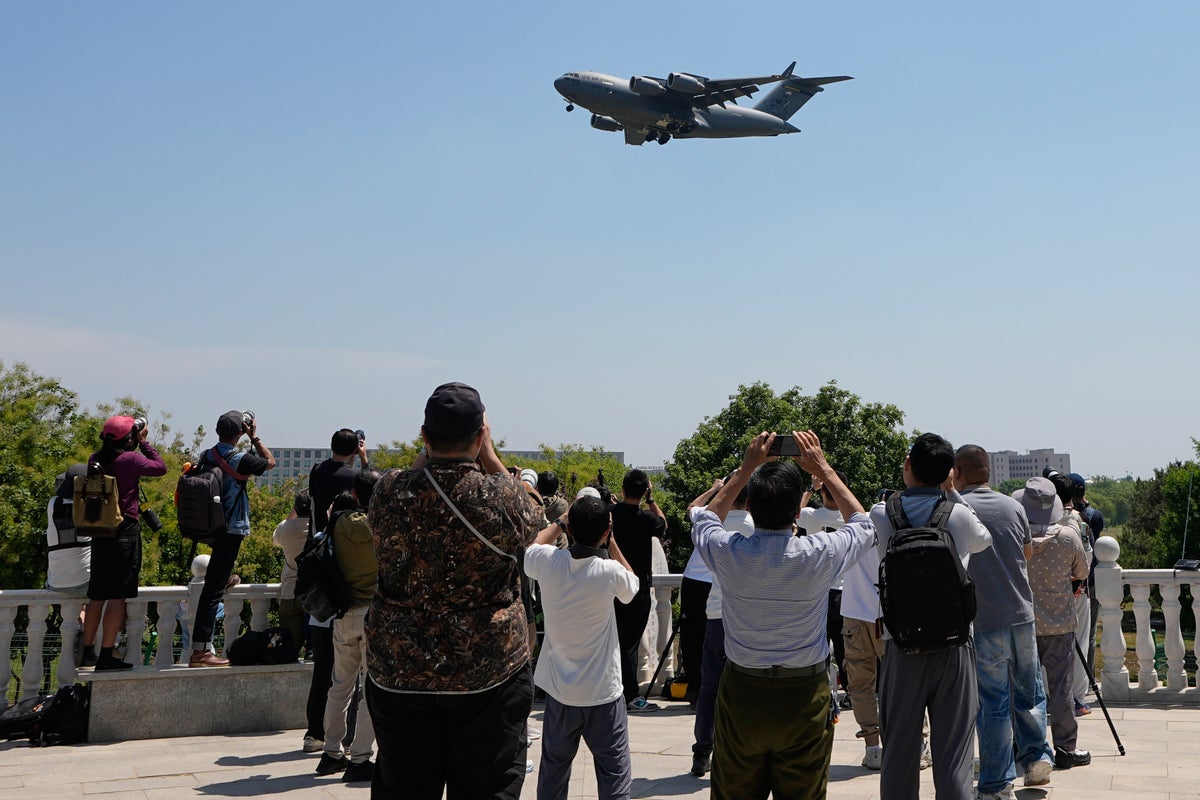
Cover image from independent.co.uk, which was analyzed for this article
China agreed to buy 200 new Boeing aircraft following President Trump's summit with Xi Jinping. The deal was highlighted as a key area of US-China cooperation amid broader trade talks.
PoliticalOS
Wednesday, May 20, 2026 — Business
The confirmed 200-plane order revives a major commercial link between the United States and China but leaves key details unresolved. Readers should watch whether follow-on orders materialize and whether the tariff truce extension produces measurable reductions in barriers.
What outlets missed
Neither outlet reported Boeing's 4.73 percent share-price decline on the announcement day or noted that the 200-plane figure exceeded the company's internal target of 150. Delivery timelines and specific aircraft models remain undisclosed in both accounts, leaving production and revenue implications unaddressed. The Independent omitted Washington state's supply-chain perspective while CNBC left out the analyst assessment that tariff cuts on $30 billion in goods would affect only about 10 percent of U.S. imports from China.
China Commits to Buying 200 Boeing Aircraft After Leaders Summit
China's Commerce Ministry confirmed Wednesday that the country will purchase 200 Boeing aircraft along with engines and spare parts, following last week's summit between President Donald Trump and President Xi Jinping in Beijing. The announcement frames aviation as a central area for renewed U.S.-China cooperation and comes as both sides work to extend a trade truce set to expire in November.
The deal represents the first major Chinese order for Boeing since 2017 and marks a partial return for the company to the world's second-largest aviation market after years of exclusion tied to escalating tariffs and export controls. Chinese officials stressed that the purchases will follow commercial principles and the sector's own growth needs, without specifying aircraft models. Trump has suggested the total could eventually reach 750 planes equipped with engines from GE Aerospace, and the ministry noted that the United States has agreed to guarantee supplies of engine parts and components.
The Boeing commitment sits inside a wider package of trade measures discussed during the summit. Both governments aim to pursue reciprocal tariff reductions covering goods valued at $30 billion or more. Chinese statements made clear that U.S. tariffs on Chinese products should not exceed levels set in last year's arrangement. Economists assessing the scale of any cuts have described them as modest relative to overall bilateral trade flows. Zhiwei Zhang of Pinpoint Asset Management noted that reductions on roughly $30 billion in goods would affect about 10 percent of U.S. imports from China, an amount unlikely to shift broader GDP forecasts on its own.
Still, the agreement carries symbolic weight for supply chains and state-level economies. Boeing's primary commercial aircraft production occurs in Washington state, where suppliers across aerospace, space, and satellite sectors stand to benefit from renewed demand. State commerce officials have expressed optimism that additional orders could follow, given existing backlogs at the company. Boeing CEO Kelly Orthberg joined other U.S. executives in a meeting with Chinese Premier Li Qiang on May 14, underscoring the direct commercial channels that accompanied the leaders' talks.
The move also reflects China's ongoing need to expand its civil aviation fleet amid rising domestic travel. Regulators there have continued technical engagement with Boeing even as political tensions persisted. For the United States, restoring aircraft sales offers a concrete channel for export growth at a moment when broader trade negotiations remain delicate. The emphasis on aviation cooperation suggests both capitals are prioritizing sectors with clear mutual economic returns while deferring deeper disputes over technology transfer, subsidies, and market access.
Analysts tracking the relationship view the Boeing order and tariff adjustments as incremental steps rather than a fundamental reset. They provide breathing room for airlines and manufacturers without resolving underlying questions about long-term industrial policy on either side. If the truce holds and further orders materialize, the arrangement could stabilize a portion of bilateral commerce that has been volatile since the first Trump administration. The test will come in how both governments manage the November deadline and whether additional commercial deals can build on this initial signal of coordination.
You just read Liberal's take. Want to read what actually happened?
More in Business & Economy

Stocks Rise on Earnings as Home Sales Hit Low
Major indices closed mixed to higher, led by healthcare and defensive stocks, as companies like Eli Lilly and UnitedHealth reported strong results. Pending home sales hit record lows.

US Stocks Mixed as Tech Rebounds on AI Optimism
The Dow slipped slightly while the S&P 500 and Nasdaq rose, led by Nvidia, AMD, and Intel gains on renewed AI sector confidence after prior drops. Broader market volatility tied to earnings and data center demand.

Trump Unveils $8 Billion Diesel Relief for Farmers
The Agriculture Department launched the program to offset record diesel prices for farmers, framed as economic aid and a midterm pitch in Kansas amid ongoing inflation and energy cost pressures.
CPI Rises to 3.7 Percent as Energy Costs Climb Amid Iran Conflict
Hotter-than-expected CPI figures fueled rate hike fears and contributed to sharp declines in AI and tech stocks. Left and right economic commentary debates Trump policies versus Fed actions.
The Compass
You just read five takes on one story.
What's your take? Find your political shape in a few minutes.
Take the test