
China Confirms 200 Boeing Jets After Trump-Xi Summit
Cover image from independent.co.uk, which was analyzed for this article
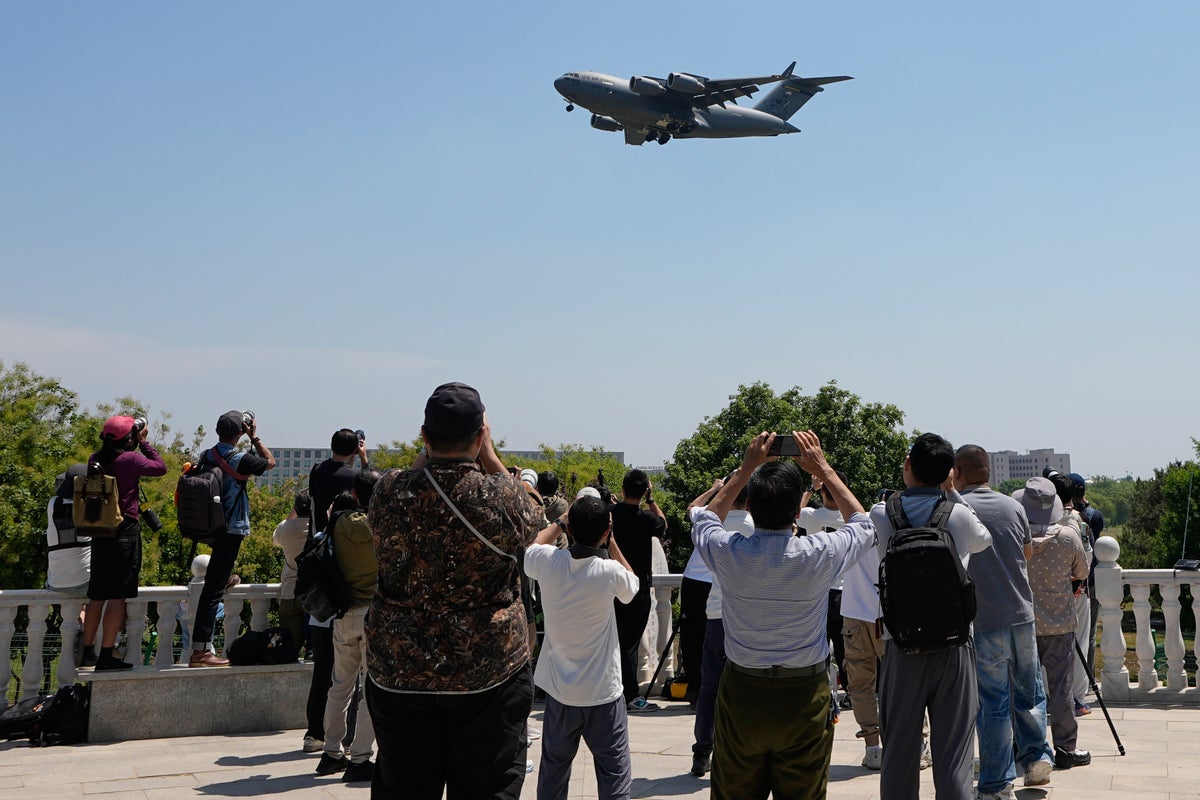
China agreed to buy 200 new Boeing aircraft following President Trump's summit with Xi Jinping. The deal was highlighted as a key area of US-China cooperation amid broader trade talks.
PoliticalOS
Wednesday, May 20, 2026 — Business
The confirmed 200-plane order revives a major commercial link between the United States and China but leaves key details unresolved. Readers should watch whether follow-on orders materialize and whether the tariff truce extension produces measurable reductions in barriers.
What outlets missed
Neither outlet reported Boeing's 4.73 percent share-price decline on the announcement day or noted that the 200-plane figure exceeded the company's internal target of 150. Delivery timelines and specific aircraft models remain undisclosed in both accounts, leaving production and revenue implications unaddressed. The Independent omitted Washington state's supply-chain perspective while CNBC left out the analyst assessment that tariff cuts on $30 billion in goods would affect only about 10 percent of U.S. imports from China.
Trump Secures China Pledge for 200 Boeing Aircraft After Summit with Xi
China confirmed this week that it will purchase 200 Boeing aircraft as part of a broader set of trade understandings reached during President Donald Trump's recent visit to Beijing. The announcement from the Chinese commerce ministry came days after Trump met President Xi Jinping, with both sides also discussing an extension of a temporary trade truce set to expire in November. Officials described aviation as a central pillar for future U.S.-China cooperation, though the scale of the deal fell short of the much larger numbers Trump had floated in public remarks.
The purchase marks the first major Chinese commitment to Boeing since 2017 and would rank as the American manufacturer's largest order from that market in nearly a decade. Specific models were not disclosed, and the agreement remains subject to final commercial negotiations. Trump told reporters after the summit that the figure could eventually reach 750 planes, all potentially powered by engines from GE Aerospace. Chinese officials added that the United States had agreed to ensure steady supplies of engines and spare parts under the arrangement.
The Boeing order emerged alongside other trade gestures. Both governments signaled plans to pursue reciprocal tariff reductions on goods valued at roughly 30 billion dollars. Chinese statements made clear that any new U.S. tariffs would not exceed levels set in last year's temporary accord. Analysts noted that even if fully implemented, such cuts would affect only about 10 percent of U.S. imports from China and would likely have limited impact on overall growth forecasts.
Boeing's chief executive joined other U.S. business leaders in a separate meeting with Chinese Premier Li Qiang during the same week. China's civil aviation regulator also held talks with the company, underscoring Beijing's interest in expanding its fleet amid rising domestic travel demand. Washington state officials, whose economy depends heavily on Boeing and its suppliers, welcomed the news and suggested additional orders could follow once production backlogs ease.
Critics of the administration's trade approach pointed out that the 200-plane commitment represents a modest step compared with earlier expectations. Past U.S.-China aviation deals have often been announced with fanfare only to face delays or revisions when political tensions flare. The current truce itself remains fragile, with negotiators still working to resolve disputes over technology transfer, subsidies, and market access that have persisted across multiple administrations.
For Boeing, the timing offers relief after years of exclusion from China's vast market. The company has faced production challenges and competition from Airbus, making any large order a potential boost to its order book and to thousands of jobs tied to its supply chain in Washington and elsewhere. Chinese carriers continue to need new aircraft to serve a growing middle class, giving both sides commercial incentives to keep the channel open regardless of political rhetoric.
Still, the broader relationship between Washington and Beijing shows few signs of fundamental change. Tariff levels remain elevated compared with pre-2018 norms, and disputes over semiconductors, rare earths, and investment screening continue. The aviation agreement may ease some immediate pressures, yet it leaves untouched the structural frictions that have defined U.S.-China economic ties for the better part of a decade. Both governments are expected to hold further talks before the November deadline for the existing truce.
You just read Progressive's take. Want to read what actually happened?
More in Business & Economy

AI Companies Weigh Early IPOs as Risks Mount
Nasdaq fell sharply amid concerns over AI spending sustainability and data center costs; Nvidia, Meta, and others were hit as Meta and Tesla reported earnings.

Stocks Rise on Earnings as Home Sales Hit Low
Major indices closed mixed to higher, led by healthcare and defensive stocks, as companies like Eli Lilly and UnitedHealth reported strong results. Pending home sales hit record lows.

US Stocks Mixed as Tech Rebounds on AI Optimism
The Dow slipped slightly while the S&P 500 and Nasdaq rose, led by Nvidia, AMD, and Intel gains on renewed AI sector confidence after prior drops. Broader market volatility tied to earnings and data center demand.

Trump Unveils $8 Billion Diesel Relief for Farmers
The Agriculture Department launched the program to offset record diesel prices for farmers, framed as economic aid and a midterm pitch in Kansas amid ongoing inflation and energy cost pressures.
The Compass
You just read five takes on one story.
What's your take? Find your political shape in a few minutes.
Take the test