
China Chip Makers Raise Prices on AI Demand as US Tightens Scrutiny
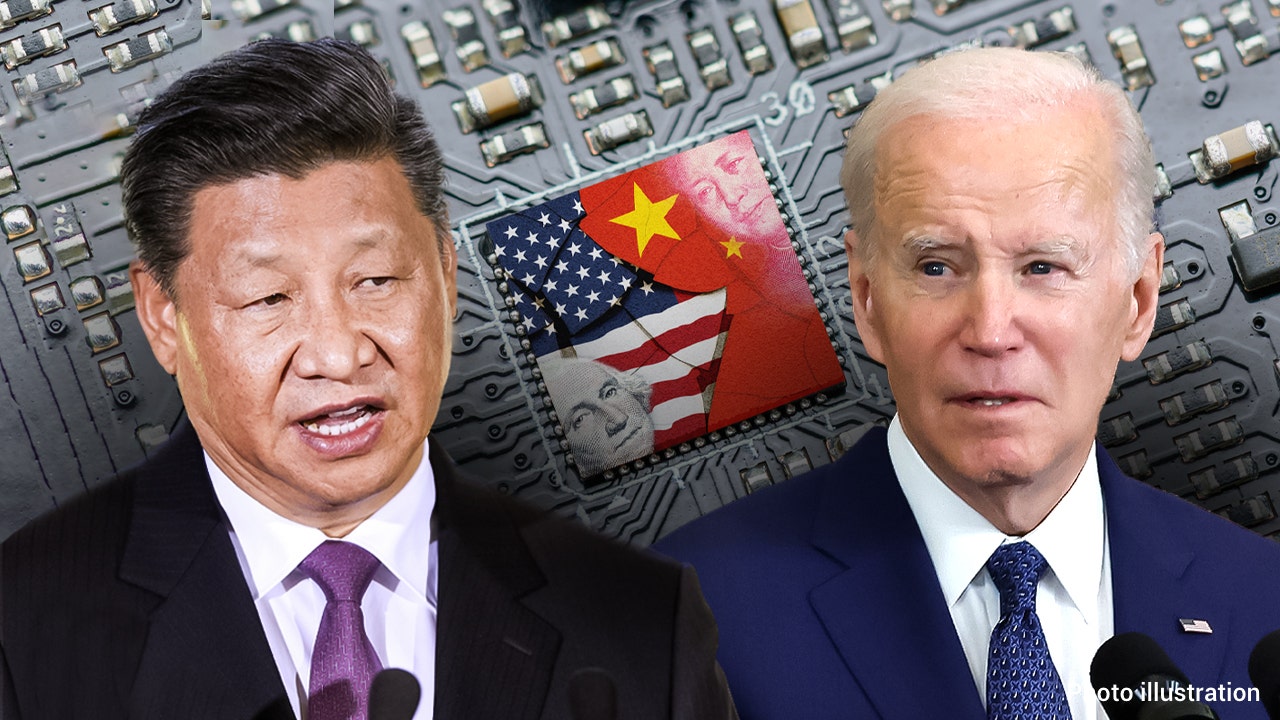
Cover image from foxnews.com, which was analyzed for this article
Firms like CXMT raised prices on AI demand from Huawei while drawing US attention over supply chains. Coverage highlights tech competition and national security angles.
PoliticalOS
Friday, July 24, 2026 — Tech
US restrictions have not prevented Huawei’s reported chip revenue from rising sharply under Chinese state procurement and grants. The United States retains the large majority of global AI compute capacity, yet questions persist about whether controls have achieved their security objectives or accelerated Chinese self-reliance.
What outlets missed
Most coverage omitted the Commerce Department’s explicit national-security rationale focused on weapons of mass destruction and military decision-making systems. Few reports quantified the United States’ retained 75 percent share of global AI compute capacity alongside Huawei’s revenue growth. Details on CXMT’s specific price hikes and supply-chain links to Huawei remain largely unverified across outlets.
Supreme Court Decision on Birthright Citizenship Spurs Conservative Mobilization
The Supreme Court ended its term last week with a 5-4 ruling in Trump v. Barbara that affirmed birthright citizenship for children born in the United States to undocumented parents. The decision drew immediate pushback from conservative legal circles, with critics framing it as a target for long-term reversal rather than settled precedent.
Justice Amy Coney Barrett joined the majority, a move that prompted sharp commentary from movement conservatives who had hoped for a different outcome. Calls quickly emerged to treat the ruling as reversible through sustained institutional effort, echoing strategies once directed at other landmark decisions. Legal scholars aligned with the right described the need to redirect resources toward undermining the constitutional foundation of the holding, including through new litigation, academic work, and political appointments.
This reaction highlights a recurring feature of American constitutional development. Court rulings rarely end debate over the document’s meaning. Instead, they often mark the start of renewed contestation by losing sides that organize around alternative interpretations. The birthright citizenship case illustrates how this dynamic now operates with particular clarity on the conservative side of the spectrum. Groups that spent decades building networks of lawyers, judges, and funders appear prepared to apply those same tools to this issue.
Historical patterns show that successful challenges to Supreme Court doctrine have required more than isolated dissent. They have depended on coordinated activity across elections, state governments, and elite institutions. Progressive victories in areas such as criminal procedure and equal protection once followed similar paths of sustained pressure. Today’s conservative legal infrastructure, refined over decades, gives its advocates a structured capacity to pursue comparable goals when a decision runs against their preferred reading of the Constitution.
The ruling itself rested on the text of the Fourteenth Amendment and longstanding interpretations of its citizenship clause. Dissenters argued for a narrower understanding tied to parental legal status. Public discussion since the decision has focused less on the immediate facts of the case and more on the institutional response it will generate. Analysts note that efforts to revisit birthright citizenship could involve renewed pushes for legislation, executive actions testing the boundaries of the ruling, or future nominations shaped by the issue.
For progressives accustomed to viewing the Court as an obstacle, the conservative reaction offers a reminder that judicial authority remains contestable. The same mechanisms that allowed earlier movements to shift doctrine over time remain available. Whether those mechanisms produce change depends on organization, persistence, and the ability to translate popular support into durable legal and political gains. The aftermath of Trump v. Barbara suggests that at least one side of the ideological divide is already treating the decision as the beginning of the next phase rather than its conclusion.
You just read Liberal's take. Want to read what actually happened?
More in Technology

Democratic Wins Heighten Scrutiny of Data Center Expansion
Newly empowered Democrats signaled opposition to rapid AI data center growth on public lands and elsewhere. This contributed to market pressure on chipmakers and infrastructure firms.
Nvidia Faces Added Scrutiny on AI Shipments After Midterms
Nvidia faces increased monitoring of accelerator shipments amid smuggling concerns to China. Broader regulatory uncertainty from the election weighed on the sector.

Google Ties Search Access to AI Opt-In for K-12 Schools
Google will turn its AI tools off by default for K-12 students starting in 2027 and will restrict Search access for schools that fully block AI. The policy reflects deeper integration of AI into core products. Right-leaning New York Post and tech coverage noted the changes.

FBI Ties $6.3 Billion Binance Hack to North Korea; Pyongyang Fires Missiles
The FBI linked the theft of over $6 billion in cryptocurrency from Binance to North Korea's Lazarus Group, citing social engineering. Laundering the funds is expected to take months. Engadget, New York Post, and other outlets reported on the investigation.
The Compass
You just read five takes on one story.
What's your take? Find your political shape in a few minutes.
Take the test