
Trump FCC bans new Chinese humanoid robots and inverters over security
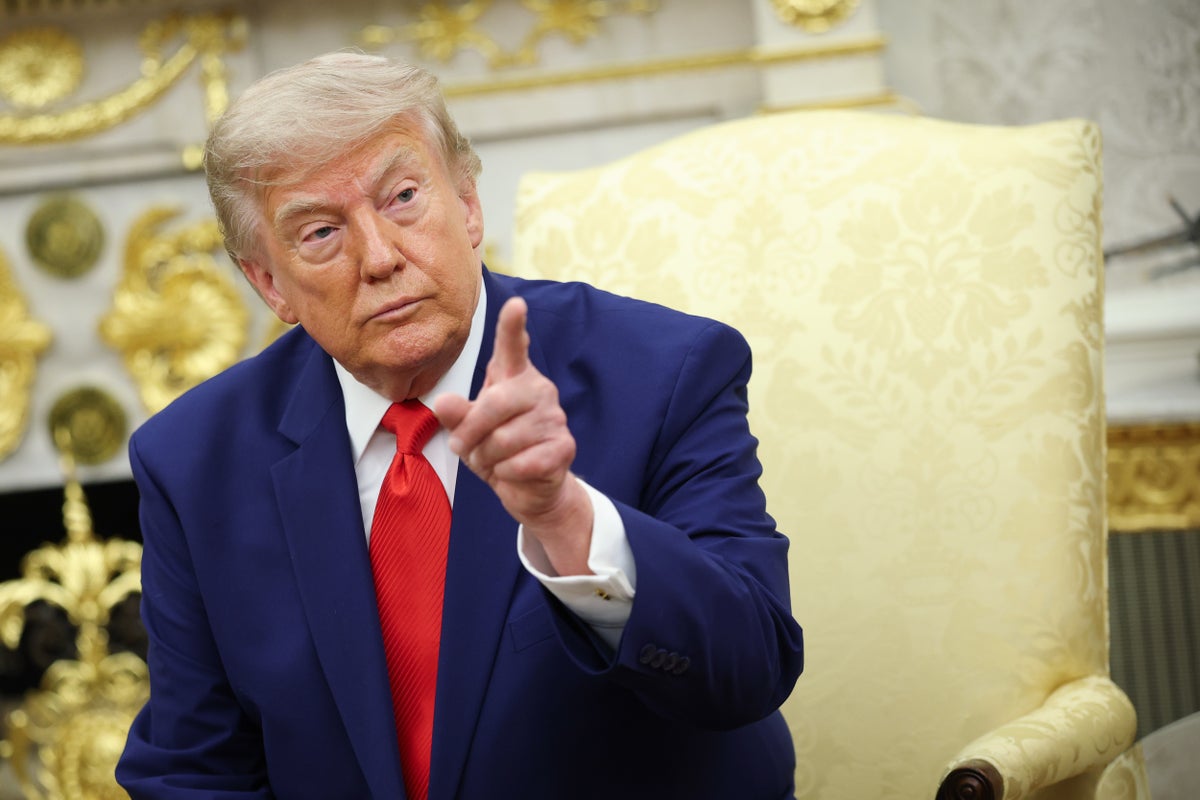
Cover image from independent.co.uk, which was analyzed for this article
The Trump administration imposes restrictions on imports of Chinese-made humanoid robots citing national security concerns in the AI and robotics race.
PoliticalOS
Wednesday, July 29, 2026 — Tech
The ban targets new Chinese robots and inverters on national-security grounds but leaves U.S. developers dependent on existing Chinese hardware in the near term. Enforcement will hinge on FCC licensing rules that remain only partially described in public announcements.
What outlets missed
No outlet specified the exact regulatory mechanism of adding devices to the FCC Covered List or referenced the 65 percent U.S. content threshold that determines licensing eligibility. Coverage also omitted the interagency group’s full National Security Determination language on data exfiltration and remote commandeering. Unitree’s recent Nvidia Blackwell integration and its Pentagon listing were noted unevenly, leaving unclear how existing academic and research exemptions might interact with the new ban.
Trump Administration Bans Chinese Humanoid Robots to Safeguard American Grids and AI Future
The Trump administration moved Tuesday to block imports of advanced Chinese humanoid and quadruped robots along with connected power inverters through a Federal Communications Commission update to its list of prohibited equipment. Officials cited unacceptable risks to national security and the safety of Americans under the 2020 Secure Networks Act.
The restrictions target new models of these devices manufactured in China. Humanoid and four-legged robots equipped with networked capabilities were singled out because they can collect vast amounts of data while operating in homes, factories and critical infrastructure. Government agencies convened by President Trump determined that reliance on foreign-made systems opens pathways for cyberattacks, data theft and remote manipulation by malign actors.
Power inverters used to link renewable energy sources, batteries and data centers to the electric grid face the same prohibition. These components are essential for expanding AI infrastructure, and officials warned that Chinese versions could serve as entry points for disrupting power supplies or stealing sensitive operational information.
An administration official described the policy as necessary to secure independent supply chains for emerging technologies. Economic security remains national security, the official said, and the measures aim to encourage domestic manufacturing rather than continued dependence on adversaries.
The decision builds on earlier efforts to restrict Chinese technology in telecommunications and other sensitive sectors. Analysts have noted that humanoid robots are poised for rapid adoption in warehouses, elder care and military applications, making early control over their production and software a priority for any nation seeking technological independence.
Previous administrations allowed these supply chains to develop with heavy Chinese involvement, leaving American companies exposed to potential surveillance and sabotage. The new bans apply only to future imports, leaving existing equipment unaffected for now. Chinese officials have not yet issued a formal response.
Supporters of the policy argue it protects American workers and innovators from unfair competition backed by state subsidies and forced technology transfers. Critics in policy circles have raised concerns about slower adoption of robotics in some industries, but the administration maintains that secure domestic production will ultimately strengthen long-term competitiveness.
The FCC action reflects a broader push to reindustrialize key sectors tied to artificial intelligence and energy infrastructure. By closing these vulnerabilities early, the administration seeks to prevent scenarios where foreign powers could influence or disable critical systems at scale.
You just read America First's take. Want to read what actually happened?
More in Technology

Democratic Wins Heighten Scrutiny of Data Center Expansion
Newly empowered Democrats signaled opposition to rapid AI data center growth on public lands and elsewhere. This contributed to market pressure on chipmakers and infrastructure firms.
Nvidia Faces Added Scrutiny on AI Shipments After Midterms
Nvidia faces increased monitoring of accelerator shipments amid smuggling concerns to China. Broader regulatory uncertainty from the election weighed on the sector.

Google Ties Search Access to AI Opt-In for K-12 Schools
Google will turn its AI tools off by default for K-12 students starting in 2027 and will restrict Search access for schools that fully block AI. The policy reflects deeper integration of AI into core products. Right-leaning New York Post and tech coverage noted the changes.

FBI Ties $6.3 Billion Binance Hack to North Korea; Pyongyang Fires Missiles
The FBI linked the theft of over $6 billion in cryptocurrency from Binance to North Korea's Lazarus Group, citing social engineering. Laundering the funds is expected to take months. Engadget, New York Post, and other outlets reported on the investigation.
The Compass
You just read five takes on one story.
What's your take? Find your political shape in a few minutes.
Take the test