
Trump FCC bans new Chinese humanoid robots and inverters over security
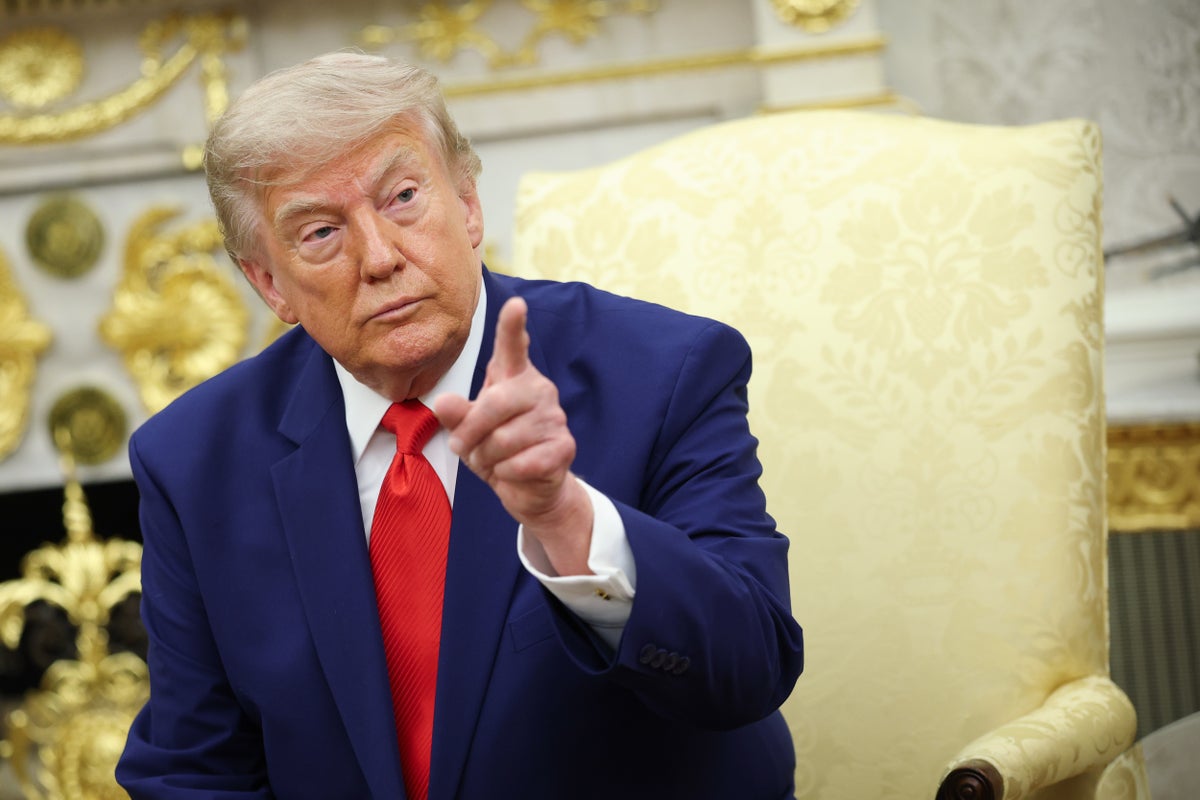
Cover image from independent.co.uk, which was analyzed for this article
The Trump administration imposes restrictions on imports of Chinese-made humanoid robots citing national security concerns in the AI and robotics race.
PoliticalOS
Wednesday, July 29, 2026 — Tech
The ban targets new Chinese robots and inverters on national-security grounds but leaves U.S. developers dependent on existing Chinese hardware in the near term. Enforcement will hinge on FCC licensing rules that remain only partially described in public announcements.
What outlets missed
No outlet specified the exact regulatory mechanism of adding devices to the FCC Covered List or referenced the 65 percent U.S. content threshold that determines licensing eligibility. Coverage also omitted the interagency group’s full National Security Determination language on data exfiltration and remote commandeering. Unitree’s recent Nvidia Blackwell integration and its Pentagon listing were noted unevenly, leaving unclear how existing academic and research exemptions might interact with the new ban.
Trump Administration Restricts Chinese Advanced Robots and Grid Components
The Federal Communications Commission on Tuesday updated its list of equipment deemed a national security risk, adding new humanoid and quadruped robots along with connected power inverters manufactured in China. The move bars their import under the Secure Networks Act and reflects a deliberate effort to limit exposure in supply chains tied to artificial intelligence, data centers and renewable energy.
Administration officials described the decision as part of a broader strategy to reduce reliance on foreign components that could be accessed or controlled by another government. A senior official said the president has made clear that independent supply chains are required for critical technologies, adding that economic security and national security are treated as the same objective. The restrictions target newly produced devices; units already in the United States remain unaffected.
The National Security Determination issued by agencies convened for the review outlined specific concerns. Networked robots can collect large volumes of data and operate in physical spaces, creating opportunities for remote manipulation or surveillance. Power inverters, which convert direct current from batteries and solar installations into alternating current for the grid, were included because of their role in connecting large-scale energy storage and computing infrastructure. Officials argued that dependence on foreign versions of these components introduces unacceptable vulnerabilities to disruption or espionage.
The policy continues a pattern of actions aimed at key nodes in emerging technology sectors. Earlier measures addressed telecommunications equipment and certain semiconductor inputs. By extending the list to robotics and inverters, the administration is signaling that similar logic applies to physical systems that interact with both digital networks and critical infrastructure. Analysts note that humanoid and four-legged robots are still early in commercial deployment, so the immediate trade impact may be limited, yet the precedent could shape investment decisions by companies planning large-scale manufacturing or data-center builds.
Domestic production incentives are expected to accompany the restrictions. The administration has linked the bans to efforts to bring advanced manufacturing back to the United States, arguing that secure supply chains require both regulatory barriers and industrial capacity at home. Power inverters are already produced by several American and allied firms, though scaling output to meet projected demand from data centers and renewable projects would require additional investment. Robotics manufacturing remains more concentrated abroad, and the timeline for meaningful domestic alternatives is longer.
Chinese officials have not yet issued a formal response. Past disputes over technology controls have produced retaliatory measures on agricultural goods and other exports, though the current restrictions focus on items still largely in development rather than widely traded finished products. Industry groups have begun assessing compliance costs and potential workarounds, including sourcing from non-Chinese suppliers or redesigning systems to avoid covered components.
The decision arrives as both political parties have expressed support for strengthening domestic capabilities in artificial intelligence and clean energy infrastructure. The FCC action provides one concrete mechanism for achieving that goal, even as questions remain about the speed of domestic substitution and the overall effect on project costs. Further updates to the covered-equipment list are possible as agencies continue to evaluate supply-chain risks across additional technologies.
You just read Liberal's take. Want to read what actually happened?
More in Technology

Democratic Wins Heighten Scrutiny of Data Center Expansion
Newly empowered Democrats signaled opposition to rapid AI data center growth on public lands and elsewhere. This contributed to market pressure on chipmakers and infrastructure firms.
Nvidia Faces Added Scrutiny on AI Shipments After Midterms
Nvidia faces increased monitoring of accelerator shipments amid smuggling concerns to China. Broader regulatory uncertainty from the election weighed on the sector.

Google Ties Search Access to AI Opt-In for K-12 Schools
Google will turn its AI tools off by default for K-12 students starting in 2027 and will restrict Search access for schools that fully block AI. The policy reflects deeper integration of AI into core products. Right-leaning New York Post and tech coverage noted the changes.

FBI Ties $6.3 Billion Binance Hack to North Korea; Pyongyang Fires Missiles
The FBI linked the theft of over $6 billion in cryptocurrency from Binance to North Korea's Lazarus Group, citing social engineering. Laundering the funds is expected to take months. Engadget, New York Post, and other outlets reported on the investigation.
The Compass
You just read five takes on one story.
What's your take? Find your political shape in a few minutes.
Take the test