
Trump FCC bans new Chinese humanoid robots and inverters over security
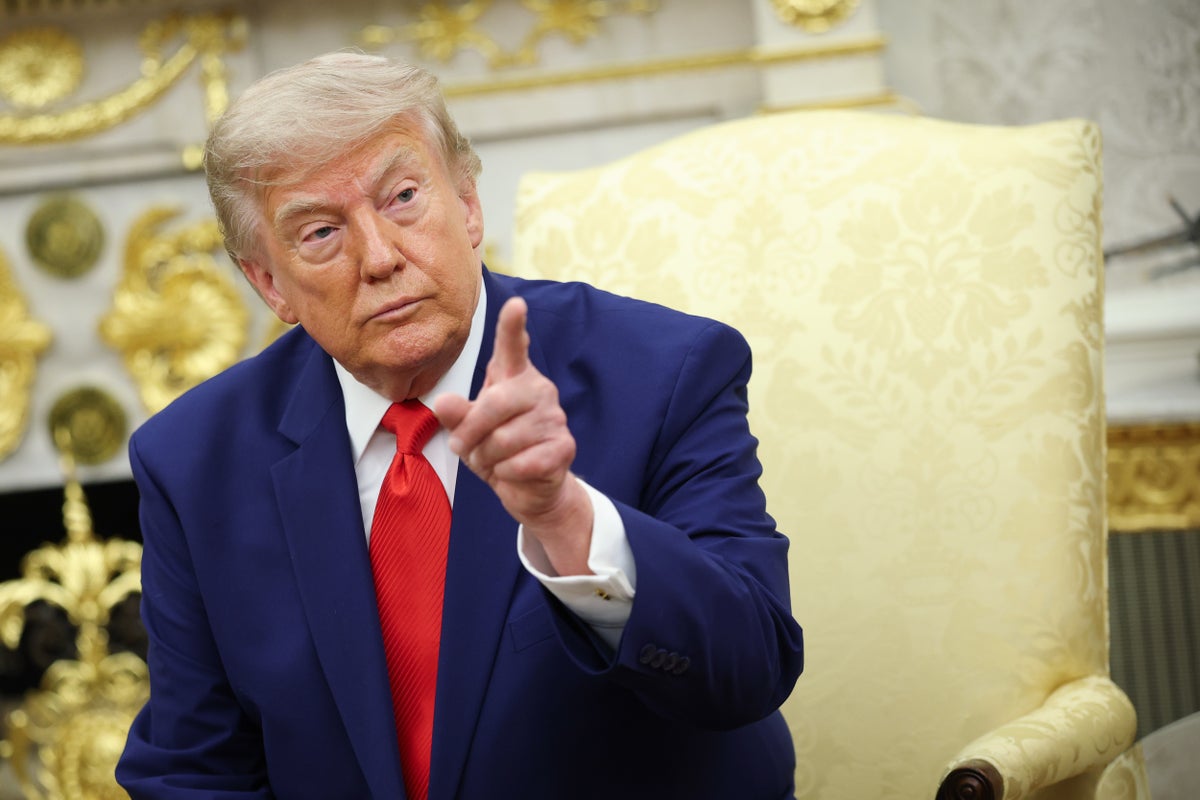
Cover image from independent.co.uk, which was analyzed for this article
The Trump administration imposes restrictions on imports of Chinese-made humanoid robots citing national security concerns in the AI and robotics race.
PoliticalOS
Wednesday, July 29, 2026 — Tech
The ban targets new Chinese robots and inverters on national-security grounds but leaves U.S. developers dependent on existing Chinese hardware in the near term. Enforcement will hinge on FCC licensing rules that remain only partially described in public announcements.
What outlets missed
No outlet specified the exact regulatory mechanism of adding devices to the FCC Covered List or referenced the 65 percent U.S. content threshold that determines licensing eligibility. Coverage also omitted the interagency group’s full National Security Determination language on data exfiltration and remote commandeering. Unitree’s recent Nvidia Blackwell integration and its Pentagon listing were noted unevenly, leaving unclear how existing academic and research exemptions might interact with the new ban.
Trump administration blocks Chinese humanoid robots and power inverters over security claims
The Federal Communications Commission moved Tuesday to prohibit imports of new Chinese humanoid and quadruped robots along with connected power inverters, framing the restrictions as essential to protect American artificial intelligence infrastructure and critical supply chains from foreign interference. The decision expands an existing list of equipment deemed unacceptable risks under the 2020 Secure Networks Act and arrives as the Trump administration seeks to accelerate domestic manufacturing in emerging technologies.
Officials described the networked features of advanced robotic systems as creating multiple avenues for cyberattacks that could alter data flows or physical operations. The national security determination released alongside the announcement warned that foreign produced devices might enable surveillance of Americans, bolster foreign intelligence collection, or allow remote commandeering by malign actors. Power inverters, which link renewable energy sources and battery storage to the grid and data centers, were included because of similar vulnerabilities in connected infrastructure.
An administration official said the president views independent supply chains for robotic devices and inverters as a core priority, equating economic security with national security. The policy is intended both to limit exposure to potential Chinese disruptions and to encourage companies to relocate production inside the United States. Existing robots already in the country before the announcement will remain unaffected.
Industry analysts have noted that humanoid robots are projected to see rapid commercial adoption in logistics, manufacturing, and elder care over the coming decade. The sudden import prohibition could raise costs for American firms experimenting with the technology and slow integration into domestic operations. Power inverter restrictions may also affect renewable energy projects and data center expansions that rely on competitively priced components from overseas suppliers.
Critics of the approach argue that the security rationale rests largely on generalized assertions rather than specific documented incidents involving the banned items. They point out that similar broad measures in prior years have sometimes produced supply bottlenecks without clear evidence of reduced threats. Chinese officials have not yet issued a formal response, though past disputes over technology export controls have triggered retaliatory tariffs and licensing delays.
The FCC action follows closed deliberations among agencies convened by the White House to assess risks in advanced robotics and grid connected equipment. Supporters inside the administration maintain that the United States cannot afford reliance on any single foreign source for technologies expected to underpin future economic growth. Detractors counter that abrupt bans risk isolating American companies from global innovation networks and may ultimately weaken rather than strengthen domestic competitiveness in robotics and clean energy hardware.
Implementation details, including enforcement timelines and potential carve outs for certain research applications, are expected in follow up guidance from the commission. Companies that source components from China now face decisions about shifting suppliers or redesigning products to comply with the new rules. The broader pattern of targeted restrictions on Chinese technology continues to shape investment flows and alliance coordination on export controls among Western governments.
You just read Progressive's take. Want to read what actually happened?
More in Technology

Democratic Wins Heighten Scrutiny of Data Center Expansion
Newly empowered Democrats signaled opposition to rapid AI data center growth on public lands and elsewhere. This contributed to market pressure on chipmakers and infrastructure firms.
Nvidia Faces Added Scrutiny on AI Shipments After Midterms
Nvidia faces increased monitoring of accelerator shipments amid smuggling concerns to China. Broader regulatory uncertainty from the election weighed on the sector.

Google Ties Search Access to AI Opt-In for K-12 Schools
Google will turn its AI tools off by default for K-12 students starting in 2027 and will restrict Search access for schools that fully block AI. The policy reflects deeper integration of AI into core products. Right-leaning New York Post and tech coverage noted the changes.

FBI Ties $6.3 Billion Binance Hack to North Korea; Pyongyang Fires Missiles
The FBI linked the theft of over $6 billion in cryptocurrency from Binance to North Korea's Lazarus Group, citing social engineering. Laundering the funds is expected to take months. Engadget, New York Post, and other outlets reported on the investigation.
The Compass
You just read five takes on one story.
What's your take? Find your political shape in a few minutes.
Take the test