
Gas Prices at Four-Year High Amid Iran Conflict
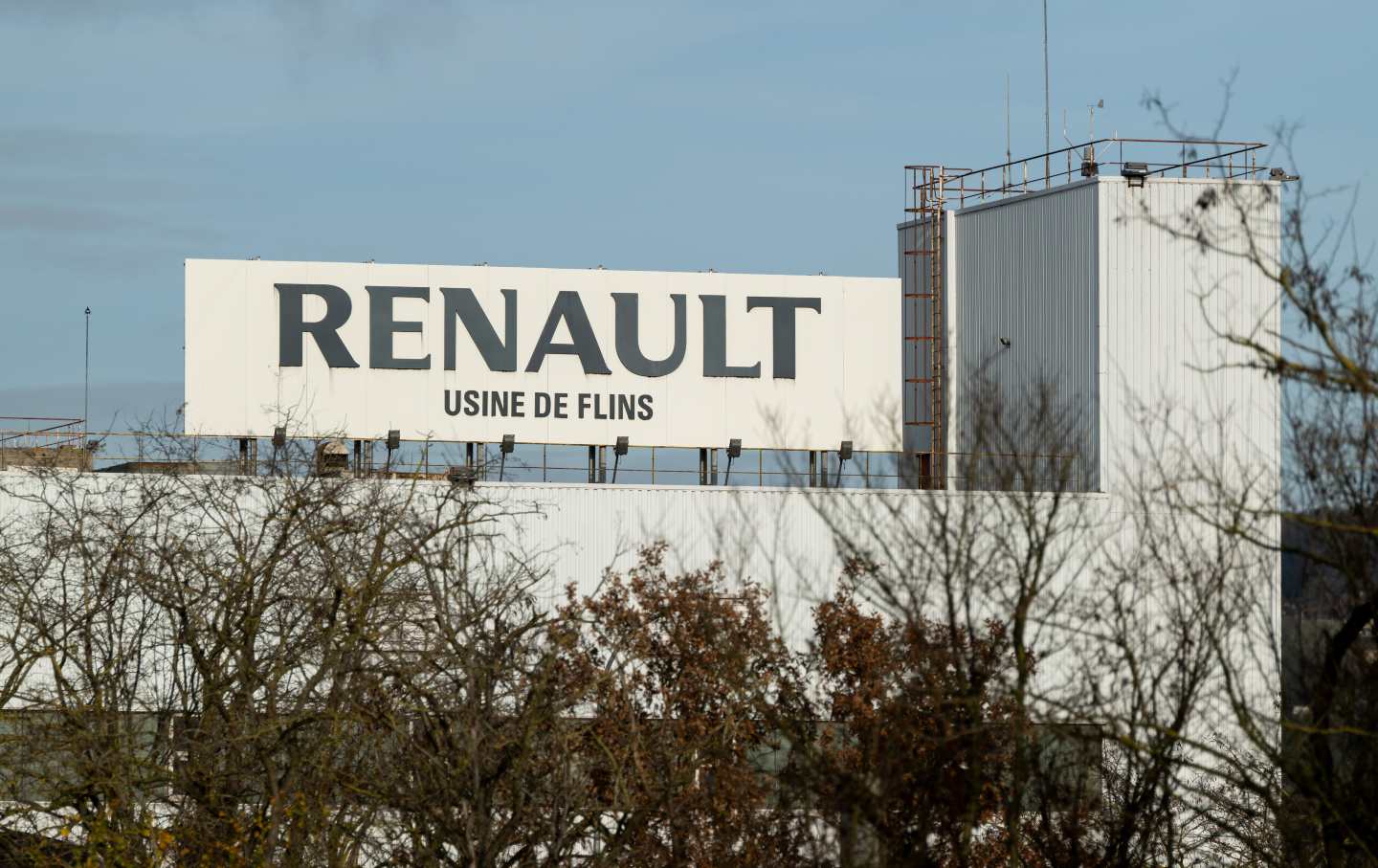
Cover image from thenation.com, which was analyzed for this article
The Conference Board index dropped to 93.1 as Americans cited rising gas prices and inflationary pressures from the Iran conflict. The Present Situation Index fell notably while expectations edged higher.
PoliticalOS
Wednesday, May 27, 2026 — Business
Rising gasoline prices tied to the Iran conflict are registering in multiple polls as a direct political liability for Republicans ahead of the midterms. The speed of any price relief remains tied to whether the Strait of Hormuz reopens, an outcome still under active White House discussion.
What outlets missed
No outlet supplied independent data on the Conference Board consumer-confidence index cited in the topic summary; that specific 93.1 reading and the split between the Present Situation and Expectations indexes could not be corroborated. Coverage also omitted any before-and-after comparison of violence metrics from ACLED that would allow readers to judge the scale of reported increases. Finally, outlets did not examine how quickly gasoline prices have historically responded once maritime chokepoints reopen.
Europe’s Auto Sector Turns to Defense Production as US Energy Costs Weigh on Republicans
French automaker Renault is preparing to roll out its first military drones by early 2027, shifting production capacity at existing plants toward weapons systems amid Europe’s broader push to expand defense manufacturing. The Chorus drone, developed in partnership with contractor Turgis Gaillard, will be assembled at sites in Le Mans and Cléon, with engines built at Renault facilities near Rouen. The system is designed for both reconnaissance and strike roles, carrying a 500-kilogram payload over roughly 3,000 kilometers at a reported unit cost of €120,000.
Renault has stated that defense work will not become a core business line, yet the move reflects wider patterns across European industry. Traditional manufacturers are adapting assembly lines and supply chains to meet rising demand for munitions and unmanned systems, driven by sustained conflict in Ukraine and heightened security concerns on the continent. This reallocation occurs against a backdrop of elevated global energy prices tied to the Iran conflict that began in late February.
In the United States, those same price increases have registered in voter sentiment ahead of the 2026 midterms. A recent Overton Insights poll found that 57 percent of respondents said higher gasoline costs made them less likely to support Republican candidates, with independents showing an even sharper shift at 64 percent. Memorial Day weekend prices reached a four-year high of $4.56 per gallon nationally, remaining near $4.49 in the days after. The surge followed Tehran’s control of the Strait of Hormuz, which tightened global oil supplies.
Inflation data released for April showed a year-over-year rate of 3.8 percent, the highest since 2023, with energy costs contributing substantially. Congressional Republicans, who campaigned in 2024 on reducing price pressures inherited from the prior administration, now face the political effects of their own foreign policy decisions. Some members, including Representative Brian Fitzpatrick of Pennsylvania, have publicly questioned spending priorities such as a proposed White House ballroom while households continue to face elevated living costs.
Separate reporting has documented expanded US military and intelligence activity across Latin America under the framework referred to as the Donroe Doctrine. These operations, including strikes on vessels and joint actions against organized crime groups, coincide with the same period of rising domestic energy expenditures. Analysts tracking conflict data note that intensified pressure on criminal networks has sometimes produced fragmentation and renewed competition rather than sustained reductions in violence.
The European defense pivot and American price volatility stem from overlapping geopolitical pressures rather than isolated national choices. Renault’s drone program illustrates how established industrial capacity can be redirected when security needs rise, while polling and inflation figures show how sustained conflict in one region transmits costs to voters elsewhere. Both developments are likely to persist as long as the underlying tensions remain unresolved.
You just read Liberal's take. Want to read what actually happened?
More in Business & Economy

Stocks Rise on Earnings as Home Sales Hit Low
Major indices closed mixed to higher, led by healthcare and defensive stocks, as companies like Eli Lilly and UnitedHealth reported strong results. Pending home sales hit record lows.

US Stocks Mixed as Tech Rebounds on AI Optimism
The Dow slipped slightly while the S&P 500 and Nasdaq rose, led by Nvidia, AMD, and Intel gains on renewed AI sector confidence after prior drops. Broader market volatility tied to earnings and data center demand.

Trump Unveils $8 Billion Diesel Relief for Farmers
The Agriculture Department launched the program to offset record diesel prices for farmers, framed as economic aid and a midterm pitch in Kansas amid ongoing inflation and energy cost pressures.
CPI Rises to 3.7 Percent as Energy Costs Climb Amid Iran Conflict
Hotter-than-expected CPI figures fueled rate hike fears and contributed to sharp declines in AI and tech stocks. Left and right economic commentary debates Trump policies versus Fed actions.
The Compass
You just read five takes on one story.
What's your take? Find your political shape in a few minutes.
Take the test