
CPI Report and Oil Spike at $106 Shape Fed Outlook
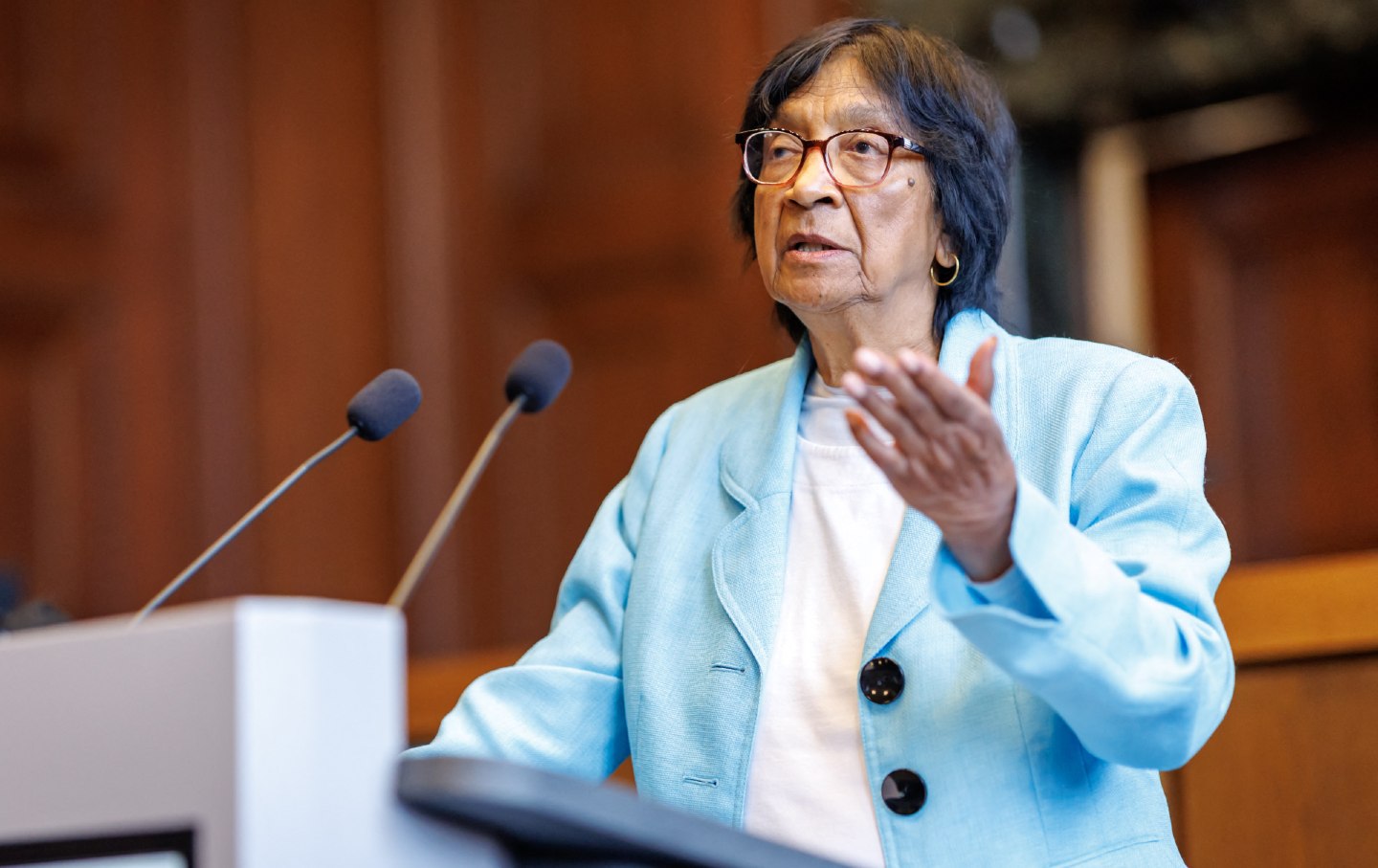
Cover image from thenation.com, which was analyzed for this article
Report expected at 3.6% headline and 2.5% core as oil hits $106/barrel from Middle East tensions. Fed rate decisions hang in balance.
PoliticalOS
Wednesday, October 14, 2026 — Business
The September CPI release will test whether oil-driven price pressures alter expectations for Federal Reserve action. Without relevant reporting from the supplied sources, investors must rely on the consensus forecast of 3.6 percent headline and 2.5 percent core until official data arrives.
What outlets missed
No outlets supplied data on the topic. The provided articles addressed an unrelated Nobel award and UK Labour Party speech instead of inflation or energy markets. No independent verification of the 3.6 percent or 2.5 percent forecasts was possible from the material given. Oil price movements and their direct link to the CPI components therefore remain unexamined in the supplied coverage.
Nobel Award to South African Jurist Spotlights Push for Global Legal Order
The Norwegian Nobel Committee handed its 2026 Peace Prize to South African lawyer Navi Pillay last week, citing her long career enforcing international legal standards across borders. The decision arrives amid active conflicts in Sudan, Myanmar, and Gaza, with the committee stressing that peace depends on consistent application of rules to every nation regardless of power or alignment.
Pillay, a former judge at the International Criminal Court and UN human rights commissioner, has built her record on cases involving alleged violations by governments from multiple regions. Committee statements framed the award as a defense of postwar institutions against erosion by major states, explicitly referencing the United States and Russia among others. The panel noted that such principles must hold firm even when they clash with national security claims or strategic interests.
Critics of expansive international tribunals argue these bodies frequently apply standards unevenly, sparing some actors while pressing others. Pillay’s tenure included scrutiny of Western military actions alongside inquiries into non-Western regimes, yet enforcement power remains concentrated in forums where smaller or aligned nations face greater pressure. Supporters counter that her work simply upholds universal norms without favoritism.
The timing of the prize coincides with renewed debate over how much authority outside courts should wield over sovereign decisions. American officials have long resisted ceding ground to bodies like the ICC on matters involving troop conduct or alliances, viewing such moves as threats to independent foreign policy. Similar resistance appears in Moscow and other capitals when investigations target their operations.
Pillay has described human rights enforcement as blind to ideology or geography. Her record includes advocacy on behalf of victims in Rwanda, the former Yugoslavia, and more recent Middle East disputes. Observers note that the Nobel statement avoided naming specific ongoing cases but clearly signaled disapproval of selective compliance by powerful actors.
Domestic reactions in the United States have split along familiar lines. Some see the award as validation for rules-based systems that constrain aggression everywhere. Others view it as another signal that global institutions seek to limit American options while offering limited recourse against adversaries who disregard the same standards. The committee’s emphasis on “national and international” law working together has done little to ease those tensions.
Pillay’s background as a South African jurist who rose through anti-apartheid circles adds another layer for those tracking institutional leanings. Her career reflects a worldview that prioritizes multilateral oversight, a stance that resonates with European prize givers but draws skepticism from audiences focused on national self-determination. Whether the award shifts any actual policy remains unclear, yet it underscores ongoing friction between traditional state authority and the expanding reach of international legal frameworks.
You just read America First's take. Want to read what actually happened?
More in Business & Economy

Business Activity Holds Up as Selling Prices Rise Fastest Since 2022
S&P Global PMI shows robust activity but selling prices rise at fastest pace since 2022 amid energy and supply chain costs. Halloween candy prices jump 7.7%.

Stock Futures Climb on Anthropic IPO Filing and AI Financing
Major indices rose on enthusiasm from Anthropic's IPO filing and broader AI infrastructure announcements including Meta's massive fundraising plans. Investors are betting heavily on continued AI growth despite valuation concerns.

Tariffs and AI Transition Fuel Growth and Job Worries
Trump's tariff rhetoric and AI-driven restructuring raised concerns about growth, inflation, and job impacts as markets reacted to geopolitical and tech shifts.

AI Companies Weigh Early IPOs as Risks Mount
Nasdaq fell sharply amid concerns over AI spending sustainability and data center costs; Nvidia, Meta, and others were hit as Meta and Tesla reported earnings.
The Compass
You just read five takes on one story.
What's your take? Find your political shape in a few minutes.
Take the test