
Off-Grid Data Centers Encounter Setbacks as AI Power Demand Climbs
Cover image from theblaze.com, which was analyzed for this article
Off-grid data centers face pushback as AI demand surges, with critics pointing to scarcity politics and infrastructure strain.
PoliticalOS
Monday, July 27, 2026 — Tech
AI-driven demand is accelerating off-grid data-center proposals, yet specific permitting denials and reliability incidents have already surfaced. Whether these projects can deliver at the announced scale without heavier reliance on grid upgrades remains the central open question for investors, utilities, and communities.
What outlets missed
The limited scope of the New Mexico pipeline denial, affecting only one segment rather than halting the full route, received no cross-outlet clarification. Ipsos country-level excitement figures cited in one column could not be corroborated in publicly released summaries from the same survey. No outlet supplied baseline 2023 electricity-consumption shares or 2028 projections alongside the 90-gigawatt behind-the-meter total, leaving readers without scale for evaluating growth claims. Water-use figures for individual facilities were absent from all three pieces despite their relevance to permitting disputes.
Data Centers Bring Noise Pollution and Grid Strain to American Towns
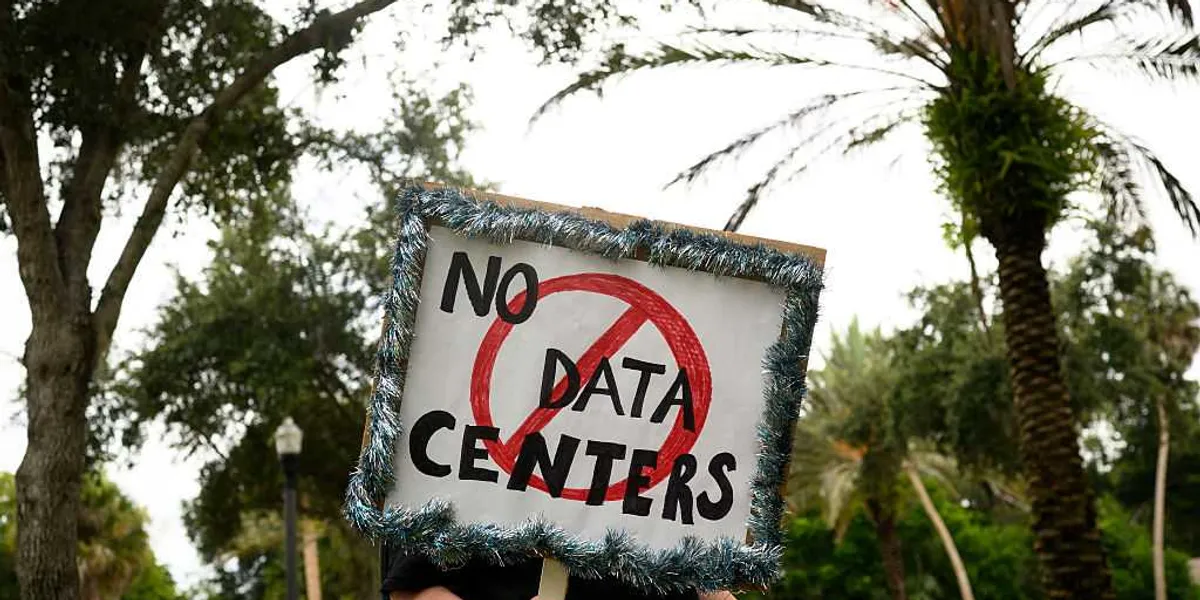
Local communities across the country are pushing back against the rapid expansion of data centers, which power the artificial intelligence push from Silicon Valley and other tech giants. Residents in places like Loudoun County, Virginia, home to the world's largest cluster of these facilities, report that the promised economic windfalls come with real drawbacks that officials often downplay.
Loudoun hosts around 200 data centers drawing over 4,000 megawatts of power. County leaders point to tax revenues that far exceed the cost of services provided to the industry. Yet nearby homeowners describe facilities that dominate the landscape with their massive concrete structures and occasional diesel generator backups during outages. One recent incident in Virginia saw an off-grid site running on noisy generators for a full day amid poor air quality from wildfires, leading to resident complaints about breathing difficulties and constant 60-decibel humming.
Similar resistance is emerging elsewhere. In New Mexico, state officials blocked a gas pipeline needed for Oracle's large off-grid campus tied to its Stargate project with OpenAI. The decision highlights how these behind-the-meter power setups, meant to bypass slow utility connections, face their own regulatory and reliability hurdles. Research from Cleanview tracks dozens of such projects totaling 90 gigawatts, but smaller efforts relying mainly on onsite generation have already stumbled.
Critics of the expansion argue that these installations function more like heavy industry than the clean digital future advertised. They consume vast amounts of electricity and water for cooling while delivering profits primarily to distant corporations. Local zoning fights and moratoriums reflect ordinary citizens' frustration with decisions made far from affected neighborhoods. Proponents claim data centers underpin everything from banking to cloud services, but that framing ignores how the latest wave is driven by speculative AI demands rather than broad public need.
Towns weighing these projects now face a choice between short-term revenue and long-term quality of life. Past infrastructure booms often left rural areas with higher costs and fewer lasting gains once the initial construction jobs faded. As more facilities seek to operate independently of the grid using gas turbines or fuel cells, the risk of localized pollution and supply disruptions grows. Federal and state incentives continue to favor speed over scrutiny, leaving residents to absorb the side effects.
The pattern echoes earlier episodes where technological advances were sold as inevitable progress without full accounting of their burdens on working communities. Data centers may be essential to certain sectors, yet the current pace raises questions about who truly benefits when power grids strain and neighborhoods change character overnight.
You just read America First's take. Want to read what actually happened?
More in Technology

Democratic Wins Heighten Scrutiny of Data Center Expansion
Newly empowered Democrats signaled opposition to rapid AI data center growth on public lands and elsewhere. This contributed to market pressure on chipmakers and infrastructure firms.
Nvidia Faces Added Scrutiny on AI Shipments After Midterms
Nvidia faces increased monitoring of accelerator shipments amid smuggling concerns to China. Broader regulatory uncertainty from the election weighed on the sector.

Google Ties Search Access to AI Opt-In for K-12 Schools
Google will turn its AI tools off by default for K-12 students starting in 2027 and will restrict Search access for schools that fully block AI. The policy reflects deeper integration of AI into core products. Right-leaning New York Post and tech coverage noted the changes.

FBI Ties $6.3 Billion Binance Hack to North Korea; Pyongyang Fires Missiles
The FBI linked the theft of over $6 billion in cryptocurrency from Binance to North Korea's Lazarus Group, citing social engineering. Laundering the funds is expected to take months. Engadget, New York Post, and other outlets reported on the investigation.
The Compass
You just read five takes on one story.
What's your take? Find your political shape in a few minutes.
Take the test