
Local fights over data center siting test state power and AI growth
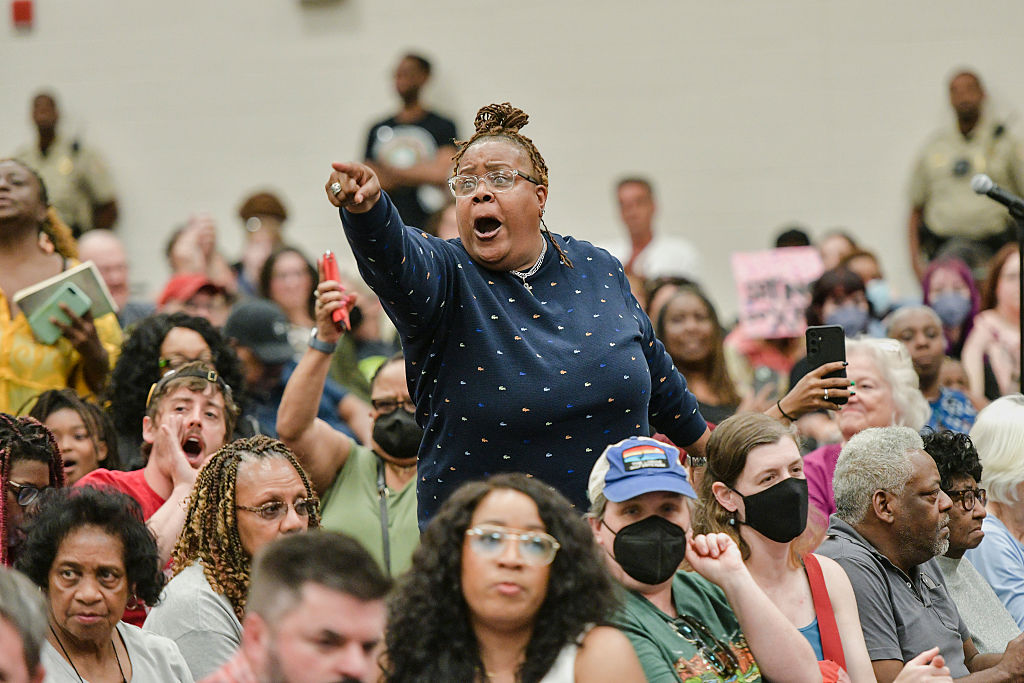
Cover image from salon.com, which was analyzed for this article
Debate intensifies over state and local authority on data center siting as Big Tech expands AI infrastructure. Coverage spans regulatory fights in Texas, Georgia, and beyond.
PoliticalOS
Monday, August 31, 2026 — Tech
Local governments hold formal zoning power yet often lack resources to match developer offers or legal capacity, leaving outcomes dependent on state-level audits, utility-rate rules, and union priorities rather than uniform national policy. The decisive variable remains whether towns can impose binding conditions on water, power, and taxes before projects break ground.
What outlets missed
Dozens of municipalities have used existing zoning powers to enact moratoriums or reject projects outright, a pattern documented in North Carolina and New York but absent from most coverage. Legislative tracking shows over 40 states considered 267 data-center bills in 2025, many expanding local tools rather than preempting them. No outlet quantified net fiscal impact after abatements or compared interconnection queues of 474 GW against current peak demand. The drop in federal aid to cities since the 1970s and resulting entrepreneurial role of local governments received little attention outside one analysis.
Labor Unions Divide Over Data Center Growth as Communities Weigh Jobs and Costs
Labor unions representing construction and electrical workers have emerged as key supporters of data center projects, even as public opposition grows over energy demands, environmental effects and limited long-term employment. National groups including the AFL-CIO and the International Brotherhood of Electrical Workers have pushed back against state and local moratoriums, arguing that the facilities create construction jobs and support broader infrastructure work at a time when AI-related demand is accelerating.
The split within organized labor reflects differences in membership. Unions tied to building trades see steady work from the wave of new facilities, while others focused on service or manufacturing sectors remain wary of automation's longer-term job losses. This divide has played out in statehouses and town halls, where proposals for restrictions have drawn competing testimony from union locals and environmental advocates.
Data centers require substantial electricity and water, and their operations can generate noise that affects nearby residents. A dozen towns in North Carolina have enacted temporary bans, and New York became the first state to approve a moratorium in July. Texas tightened rules after initial enthusiasm from state leaders. Polling shows roughly 70 percent of Americans view the facilities negatively, citing grid strain and local quality-of-life impacts.
Yet some communities have reported measurable gains. In Quincy, Washington, two decades of data-center development have generated tax revenue that funded a new high school, hospital upgrades and an aquatic center. Aggregate construction employment has also risen, even though individual facilities typically employ fewer than 50 permanent workers. Microsoft has cited the town as evidence that well-sited projects can deliver local benefits when paired with existing hydropower and available land.
Policy responses remain fragmented. Some Democratic lawmakers, including Rep. Alexandria Ocasio-Cortez and Sen. Bernie Sanders, have called for nationwide pauses to allow for broader environmental reviews. Republican governors and legislators have generally favored faster permitting, framing the issue partly in terms of competition with China. Intelligence assessments cited by former President Trump have pointed to foreign influence operations amplifying local opposition, though the scale of that effect is difficult to measure against genuine resident concerns.
Local governments often lack the resources to negotiate effectively with large developers. Underfunded planning departments face complex proposals involving grid upgrades and long-term power contracts, leaving communities to rely on state-level standards that vary widely. The result is uneven outcomes: some towns secure infrastructure improvements, while others absorb costs without clear offsets.
The underlying driver is sustained demand for computing capacity. AI training and inference require clusters of servers that existing facilities cannot accommodate. Absent coordinated federal policy on siting, energy procurement and workforce training, the pattern of localized conflict is likely to continue. Unions will keep pressing for project approvals where their members stand to gain, while environmental and community groups seek stronger guardrails. How states reconcile these pressures will shape both the pace of AI deployment and the distribution of its economic effects.
You just read Liberal's take. Want to read what actually happened?
More in Technology

Democratic Wins Heighten Scrutiny of Data Center Expansion
Newly empowered Democrats signaled opposition to rapid AI data center growth on public lands and elsewhere. This contributed to market pressure on chipmakers and infrastructure firms.
Nvidia Faces Added Scrutiny on AI Shipments After Midterms
Nvidia faces increased monitoring of accelerator shipments amid smuggling concerns to China. Broader regulatory uncertainty from the election weighed on the sector.

Google Ties Search Access to AI Opt-In for K-12 Schools
Google will turn its AI tools off by default for K-12 students starting in 2027 and will restrict Search access for schools that fully block AI. The policy reflects deeper integration of AI into core products. Right-leaning New York Post and tech coverage noted the changes.

FBI Ties $6.3 Billion Binance Hack to North Korea; Pyongyang Fires Missiles
The FBI linked the theft of over $6 billion in cryptocurrency from Binance to North Korea's Lazarus Group, citing social engineering. Laundering the funds is expected to take months. Engadget, New York Post, and other outlets reported on the investigation.
The Compass
You just read five takes on one story.
What's your take? Find your political shape in a few minutes.
Take the test