
Local fights over data center siting test state power and AI growth
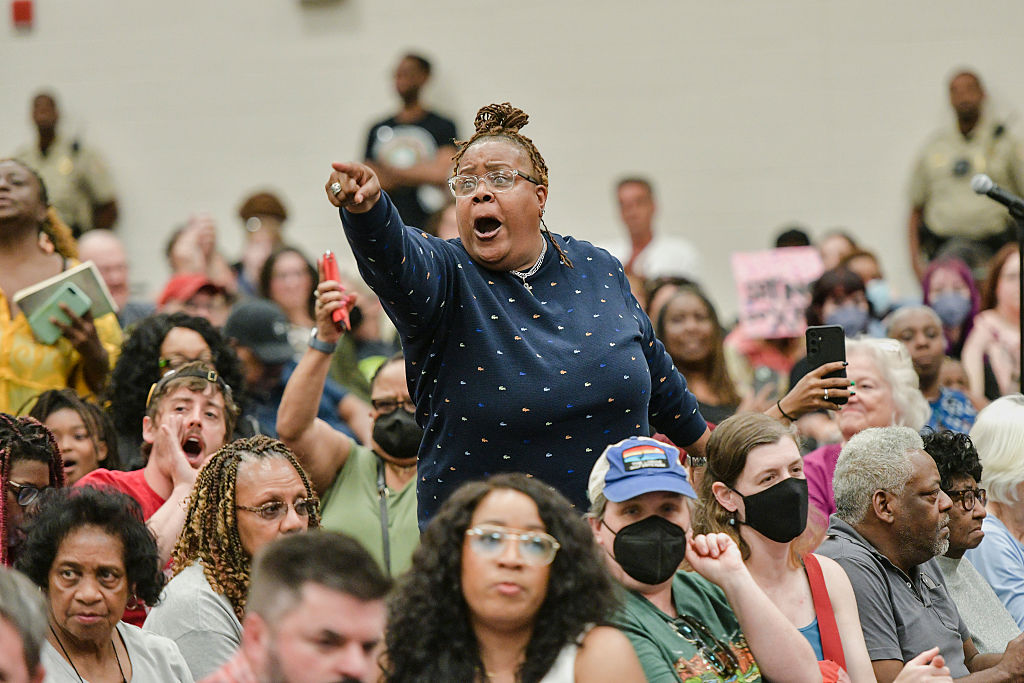
Cover image from salon.com, which was analyzed for this article
Debate intensifies over state and local authority on data center siting as Big Tech expands AI infrastructure. Coverage spans regulatory fights in Texas, Georgia, and beyond.
PoliticalOS
Monday, August 31, 2026 — Tech
Local governments hold formal zoning power yet often lack resources to match developer offers or legal capacity, leaving outcomes dependent on state-level audits, utility-rate rules, and union priorities rather than uniform national policy. The decisive variable remains whether towns can impose binding conditions on water, power, and taxes before projects break ground.
What outlets missed
Dozens of municipalities have used existing zoning powers to enact moratoriums or reject projects outright, a pattern documented in North Carolina and New York but absent from most coverage. Legislative tracking shows over 40 states considered 267 data-center bills in 2025, many expanding local tools rather than preempting them. No outlet quantified net fiscal impact after abatements or compared interconnection queues of 474 GW against current peak demand. The drop in federal aid to cities since the 1970s and resulting entrepreneurial role of local governments received little attention outside one analysis.
Data Center Expansion Divides Labor as Communities Push Back on Big Tech
Public opposition to AI data centers has hardened across the country, with polls showing roughly 70 percent of Americans viewing the facilities as threats to the environment, electricity costs and local quality of life. A dozen towns in North Carolina have enacted moratoriums, two have issued outright bans, and New York became the first state to approve a statewide pause in July. Democratic lawmakers including Rep. Alexandria Ocasio-Cortez and Sen. Bernie Sanders have urged a national moratorium, citing the facilities' heavy draw on power grids and water supplies.
National labor unions are split over how to respond. Groups representing electricians, plumbers and construction workers have largely opposed bans, arguing that data center construction creates short-term jobs and long-term work maintaining transmission lines and substations. The International Brotherhood of Electrical Workers and parts of the AFL-CIO have highlighted the need for skilled trades in an industry that requires massive infrastructure upgrades. Other unions, however, remain wary of the technology's broader effects on employment and the environment, noting that permanent staffing at individual facilities often stays below 50 workers once construction ends.
Big Tech companies have countered the backlash by pointing to examples like Quincy, Washington, a farming town of about 8,100 residents that has hosted Microsoft data centers for two decades. Local tax revenue there has funded a new high school, hospital upgrades and an aquatic center with a lap pool and waterslides. Microsoft has used the case to argue that data centers can deliver tangible community benefits. Critics counter that such gains depend on already favorable conditions like cheap hydropower and cool climates, conditions not replicated in most proposed sites, and that aggregate construction employment rarely offsets the facilities' long-term footprint.
Republican officials have framed opposition as shortsighted and influenced by foreign actors, with some claiming Chinese-linked bot campaigns are amplifying local complaints. They argue the United States must expand capacity to compete in artificial intelligence and prevent technological dependence on adversaries. Yet residents in multiple states continue to cite noise, visual blight and rising utility rates as immediate concerns that outweigh promised economic windfalls.
Underfunded local governments face particular pressure when developers arrive with offers of tax revenue. Advocates for stronger state or federal oversight say individual towns lack the resources to negotiate meaningful safeguards or conduct independent environmental reviews. This dynamic has led some Democratic candidates to shift rhetoric toward emphasizing community veto power, though skeptics see the emphasis on local control as a way to deflect broader accountability for an industry driven by a handful of wealthy corporations.
The divide leaves unions, residents and policymakers navigating competing pressures: the demand for skilled construction work, the reality of limited ongoing employment, and mounting evidence of strain on power systems and water resources. As more states weigh restrictions, the outcome will hinge on whether short-term labor gains can outweigh sustained public resistance to facilities that power an expanding AI sector.
You just read Progressive's take. Want to read what actually happened?
More in Technology

Democratic Wins Heighten Scrutiny of Data Center Expansion
Newly empowered Democrats signaled opposition to rapid AI data center growth on public lands and elsewhere. This contributed to market pressure on chipmakers and infrastructure firms.
Nvidia Faces Added Scrutiny on AI Shipments After Midterms
Nvidia faces increased monitoring of accelerator shipments amid smuggling concerns to China. Broader regulatory uncertainty from the election weighed on the sector.

Google Ties Search Access to AI Opt-In for K-12 Schools
Google will turn its AI tools off by default for K-12 students starting in 2027 and will restrict Search access for schools that fully block AI. The policy reflects deeper integration of AI into core products. Right-leaning New York Post and tech coverage noted the changes.

FBI Ties $6.3 Billion Binance Hack to North Korea; Pyongyang Fires Missiles
The FBI linked the theft of over $6 billion in cryptocurrency from Binance to North Korea's Lazarus Group, citing social engineering. Laundering the funds is expected to take months. Engadget, New York Post, and other outlets reported on the investigation.
The Compass
You just read five takes on one story.
What's your take? Find your political shape in a few minutes.
Take the test