
Democrats Take House and Senate, Constraining Trump
Democrats flipped both the House and Senate in a major rebuke to President Trump and Republicans. The results create divided government and set up battles over spending, oversight, and foreign policy for the remainder of Trump's term.
PoliticalOS
Thursday, November 5, 2026 — Politics
Democrats now hold both chambers and intend to challenge Trump’s tax, tariff, and spending policies, yet lack the votes to override vetoes. The practical limits on reversing inflation or ending the Iran conflict quickly remain the central open question for the next two years.
What outlets missed
Neither article supplied official vote margins, turnout data, or state-by-state breakdowns from state election offices. Details on the precise start date and congressional authorization status of the Iran conflict remained absent. No government statistical agency figures on unemployment or real wage growth appeared to test claims about the economy’s overall strength. The pieces also omitted any assessment of how the results might affect specific foreign-policy votes or appropriations timelines in the new Congress.
Voters handed Democrats control of both the House and Senate on November 4, 2026, ending unified Republican government and creating new limits on President Trump’s remaining two years in office. High gas prices averaging $4.15 per gallon nationally, up more than a dollar from a year earlier according to AAA, and broader inflation concerns drove the shift, according to statements from incoming Democratic leaders and former officials. The results also reflected dissatisfaction with the ongoing U.S. involvement in Iran that contributed to energy price spikes.
The central tension now centers on whether incoming Democratic majorities can enact changes to tax policy, tariffs, and spending programs without triggering sustained vetoes from the White House. Senator Chuck Schumer of New York, positioned to become majority leader, stated that the first priority is bringing down the cost of living. Representative Hakeem Jeffries of New York, the likely next House speaker, outlined plans to end the Iran conflict, restore lapsed health insurance subsidies, and reverse portions of last year’s tax law that reduced Medicaid and food stamp benefits.
Trump responded by threatening to veto measures he deems destructive and by asserting that Republicans would have performed better had he been on the ballot. White House spokesman Matthew Middleton said the president would work with anyone advancing economic solutions. Former commerce secretary Wilbur Ross noted continued economic growth but identified inflation and gas prices as the decisive voter factors.
Democratic proposals include rolling back elements of the 2025 tax cuts, limiting tariff authority, and unwinding safety-net reductions. These steps face the practical barrier that Democrats lack veto-proof margins. Internal Republican discussions before the election, described by participants on a strategy call, highlighted concerns over the Iran war’s polling impact and candidate recruitment shortfalls in states such as North Carolina, South Carolina, and Texas.
Redistricting efforts by Republicans in Texas and elsewhere added seats but proved insufficient against the national tide. Democrats countered with recruitment of candidates in Republican-leaning districts and focus on affordability messaging. The outcome leaves unresolved how the two branches will resolve spending bills, oversight hearings, and any attempts to alter trade policy before the 2028 cycle.
More in Politics
Democrats Flip Senate, Expand House Majority in Midterms
Democrats flipped the Senate and expanded their House majority in a major rebuke to President Trump and Republicans. Key victories included multiple Senate seats and state-level wins that ended long-standing GOP dominance in places like Texas.
GOP Losses Spur Blame, Vance Distancing, 2028 Maneuvers
Republicans are pointing fingers internally after heavy losses, with Vice President JD Vance distancing himself from Trump over the Iran war and positioning for a potential 2028 run. Challengers within the party are already sensing opportunity.
Democrats Take House and Senate Amid Record Midterm Turnout
Democrats achieved decisive gains in the 2026 midterms, flipping seats to take control of both chambers. Coverage highlights historic turnout and implications for the Trump administration.
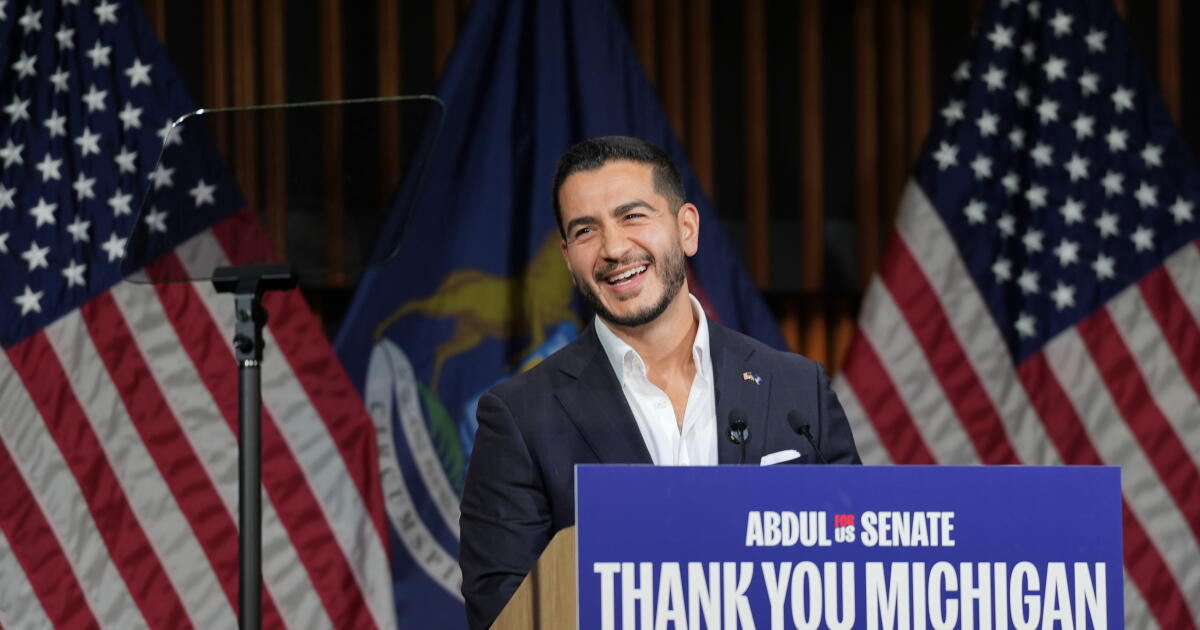
Voters Elect First Muslim Senator, Multiple Historic Firsts
Voters elected the first Muslim US Senator, first Black woman governor of Georgia, and first Native American woman governor of New Mexico, highlighting demographic shifts in key states.
The Compass
You just read five takes on one story.
What's your take? Find your political shape in a few minutes.
Take the test