
Democrats Take House and Senate, Constraining Trump
Democrats flipped both the House and Senate in a major rebuke to President Trump and Republicans. The results create divided government and set up battles over spending, oversight, and foreign policy for the remainder of Trump's term.
PoliticalOS
Thursday, November 5, 2026 — Politics
Democrats now hold both chambers and intend to challenge Trump’s tax, tariff, and spending policies, yet lack the votes to override vetoes. The practical limits on reversing inflation or ending the Iran conflict quickly remain the central open question for the next two years.
What outlets missed
Neither article supplied official vote margins, turnout data, or state-by-state breakdowns from state election offices. Details on the precise start date and congressional authorization status of the Iran conflict remained absent. No government statistical agency figures on unemployment or real wage growth appeared to test claims about the economy’s overall strength. The pieces also omitted any assessment of how the results might affect specific foreign-policy votes or appropriations timelines in the new Congress.
Democrats Secure Congressional Majorities on Voter Backlash to Prices and Conflict
Republicans absorbed substantial defeats in the 2026 midterm elections, with Democrats capturing control of both the House and Senate. Internal assessments from President Trump’s campaign team six days before voting already signaled the scale of the setback, as pollsters and strategists reviewed data showing limited reach into key voter groups.
Team members on a private video call discussed scenarios ranging from modest shortfalls to outright losses across multiple states. One consultant outlined an optimistic path where super PAC spending aligned with expected turnout, but described the alternative as a broad reversal. Participants referenced practical fallout, including adjustments to personal plans and references to potential political repercussions. The discussion reflected awareness that an ongoing military engagement with Iran and persistent price increases at stores and fuel pumps had eroded support in districts previously held by Republicans.
Election results confirmed those projections. Democrats flipped numerous House seats and Senate races in areas that had favored Republican candidates in prior cycles. Analysts attributed the shift to widespread dissatisfaction with household costs, which had risen under policies that included expanded fiscal commitments tied to the conflict abroad. President Trump had dismissed affordability complaints during the campaign, emphasizing broader economic indicators instead.
Democratic leaders moved quickly after the results to outline priorities centered on reversing elements of recent tax changes and trade measures. Figures such as Senator Chuck Schumer indicated an intent to address regulatory and spending patterns that contributed to higher outlays for basic goods. The party’s gains rested on turnout in suburban and working-class areas where data showed inflation outpacing wage growth in recent quarters.
Historical patterns documented by economists like Thomas Sowell suggest voters respond to measurable price signals rather than aggregate statistics alone. Government interventions, whether through trade restrictions or military expenditures, frequently generate concentrated costs that spread across supply chains and household budgets. In this cycle, those effects appear to have overridden arguments about long-term structural adjustments from earlier tax reductions and deregulation efforts.
Republican strategists had anticipated some erosion from the combination of foreign policy commitments and domestic price pressures. The final tallies showed losses extending into previously secure territory, limiting the administration’s ability to sustain prior legislative momentum on welfare adjustments or further regulatory rollbacks. Early Democratic proposals target specific trade and tax provisions enacted in the preceding two years, with veto threats already issued from the White House.
Voter data collected during the campaign pointed to inflation as the dominant concern across demographic lines. Prices for groceries and energy registered sustained increases that polls linked directly to the cumulative impact of spending tied to the Iran engagement. This outcome aligns with repeated observations that public tolerance for policy costs diminishes when those costs appear in daily transactions rather than abstract projections.
The shift leaves the administration with divided government for the remainder of the term. Lawmakers on both sides now face incentives to negotiate narrower measures on spending restraint and trade adjustments, as broader initiatives encounter greater procedural hurdles. Empirical reviews of past midterm reversals indicate that economic conditions at the household level often determine the durability of congressional majorities more than messaging about overall growth metrics.
You just read Conservative's take. Want to read what actually happened?
More in Politics
Democrats Flip Senate, Expand House Majority in Midterms
Democrats flipped the Senate and expanded their House majority in a major rebuke to President Trump and Republicans. Key victories included multiple Senate seats and state-level wins that ended long-standing GOP dominance in places like Texas.
GOP Losses Spur Blame, Vance Distancing, 2028 Maneuvers
Republicans are pointing fingers internally after heavy losses, with Vice President JD Vance distancing himself from Trump over the Iran war and positioning for a potential 2028 run. Challengers within the party are already sensing opportunity.
Democrats Take House and Senate Amid Record Midterm Turnout
Democrats achieved decisive gains in the 2026 midterms, flipping seats to take control of both chambers. Coverage highlights historic turnout and implications for the Trump administration.
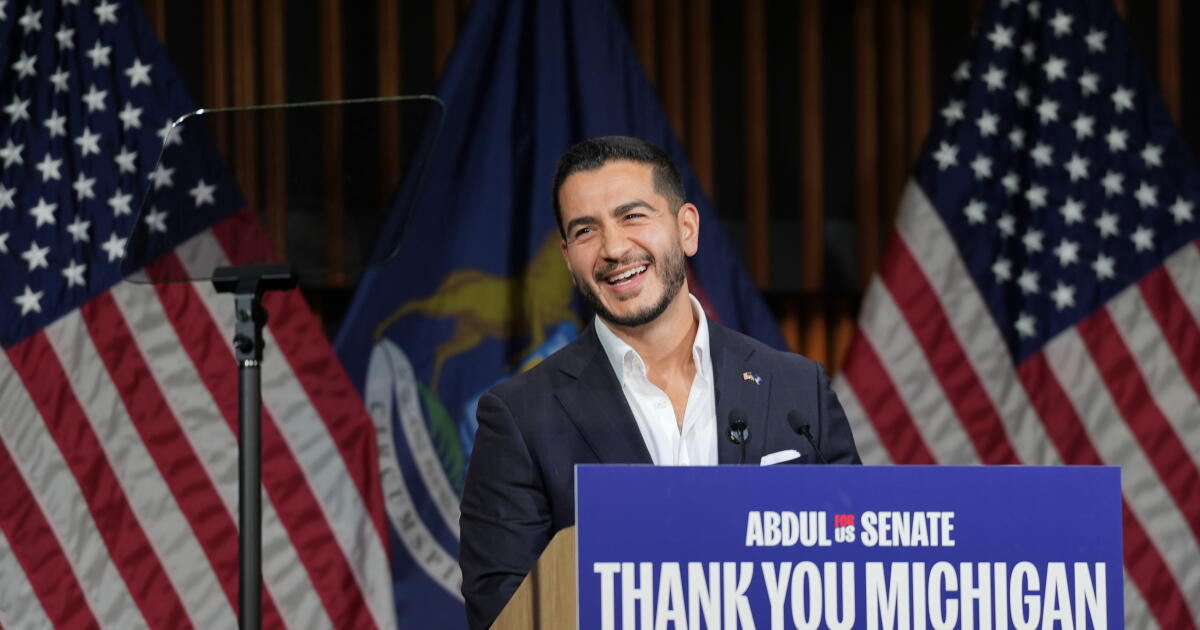
Voters Elect First Muslim Senator, Multiple Historic Firsts
Voters elected the first Muslim US Senator, first Black woman governor of Georgia, and first Native American woman governor of New Mexico, highlighting demographic shifts in key states.
The Compass
You just read five takes on one story.
What's your take? Find your political shape in a few minutes.
Take the test