
Democrats Take House and Senate, Constraining Trump
Democrats flipped both the House and Senate in a major rebuke to President Trump and Republicans. The results create divided government and set up battles over spending, oversight, and foreign policy for the remainder of Trump's term.
PoliticalOS
Thursday, November 5, 2026 — Politics
Democrats now hold both chambers and intend to challenge Trump’s tax, tariff, and spending policies, yet lack the votes to override vetoes. The practical limits on reversing inflation or ending the Iran conflict quickly remain the central open question for the next two years.
What outlets missed
Neither article supplied official vote margins, turnout data, or state-by-state breakdowns from state election offices. Details on the precise start date and congressional authorization status of the Iran conflict remained absent. No government statistical agency figures on unemployment or real wage growth appeared to test claims about the economy’s overall strength. The pieces also omitted any assessment of how the results might affect specific foreign-policy votes or appropriations timelines in the new Congress.
Trump's Midterm Disaster Exposes Failures on War and Skyrocketing Costs
Democrats delivered a crushing rebuke to President Trump in the 2026 midterms, seizing large majorities in both the House and Senate as voters rejected his handling of an unpopular war and persistent high prices. The results mark a sharp reversal for a president who had used unified Republican control of Congress to advance tax cuts for corporations, deregulation, and a global trade war.
Internal warnings of the collapse came days before Election Day. On a private video call, more than two dozen Trump strategists heard grim polling data from chief pollster Tony Fabrizio. Data consultant Tim Saler outlined scenarios, with the pessimistic one pointing to widespread losses despite a $400 million super PAC effort. James Blair, who had left the White House to run the midterm strategy, joked about getting his affairs in order and suggested others do the same. The group turned to dark humor about prison food, presidential pardons, and possible asylum abroad, with references to Israeli Prime Minister Benjamin Netanyahu.
The scale of the defeat matched those fears. Democrats flipped dozens of congressional districts and state legislative chambers, powered by turnout in suburban and working-class areas hit hardest by inflation. Exit polling and campaign data showed voters citing grocery bills, gas prices, and the costs of the conflict with Iran as central concerns. Trump had repeatedly dismissed affordability worries as a hoax while claiming the economy had never been stronger.
Incoming Democratic leaders moved quickly to interpret the results as a mandate for change. Senator Chuck Schumer signaled plans to target Trump's tax policies and tariffs, which had raised costs for consumers and businesses alike. The party also eyed reversals on welfare cuts and environmental rollbacks enacted in the prior two years. With control of both chambers, Democrats gained leverage to block further initiatives and force negotiations on spending bills.
The war with Iran loomed large in the campaign's final weeks. Trump's decision to escalate military involvement drew sustained criticism for diverting resources and fueling higher energy prices. Voters in key battlegrounds expressed frustration that foreign policy had taken precedence over domestic relief. Democratic candidates tied these threads together, arguing that Trump's economic agenda and foreign entanglements had left ordinary families squeezed.
Republican strategists had hoped strong messaging on immigration and cultural issues would offset economic discontent. Those efforts fell short as polling showed voters prioritizing pocketbook concerns. The results leave Trump facing a divided government for the remainder of his term, with limited ability to advance new priorities or protect earlier achievements from legislative challenge.
Democrats now prepare to use oversight powers and appropriations authority to scrutinize administration actions on trade and defense spending. Early signals suggest a focus on measures that could lower household costs, including adjustments to tariffs that had increased prices on imported goods. The election outcome underscores how dissatisfaction with Trump's record translated into one of the most decisive midterm shifts in recent cycles.
You just read Progressive's take. Want to read what actually happened?
More in Politics
Democrats Flip Senate, Expand House Majority in Midterms
Democrats flipped the Senate and expanded their House majority in a major rebuke to President Trump and Republicans. Key victories included multiple Senate seats and state-level wins that ended long-standing GOP dominance in places like Texas.
GOP Losses Spur Blame, Vance Distancing, 2028 Maneuvers
Republicans are pointing fingers internally after heavy losses, with Vice President JD Vance distancing himself from Trump over the Iran war and positioning for a potential 2028 run. Challengers within the party are already sensing opportunity.
Democrats Take House and Senate Amid Record Midterm Turnout
Democrats achieved decisive gains in the 2026 midterms, flipping seats to take control of both chambers. Coverage highlights historic turnout and implications for the Trump administration.
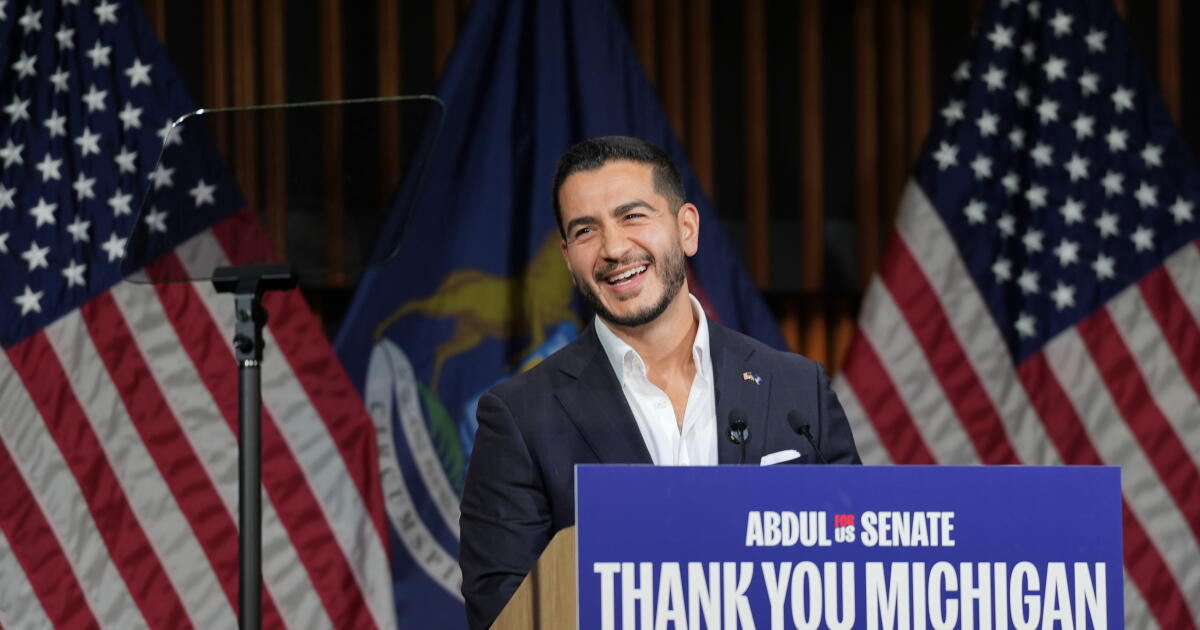
Voters Elect First Muslim Senator, Multiple Historic Firsts
Voters elected the first Muslim US Senator, first Black woman governor of Georgia, and first Native American woman governor of New Mexico, highlighting demographic shifts in key states.
The Compass
You just read five takes on one story.
What's your take? Find your political shape in a few minutes.
Take the test