
DOJ Report Alleges Biased FACE Act Enforcement Targeting Pro-Life Activists

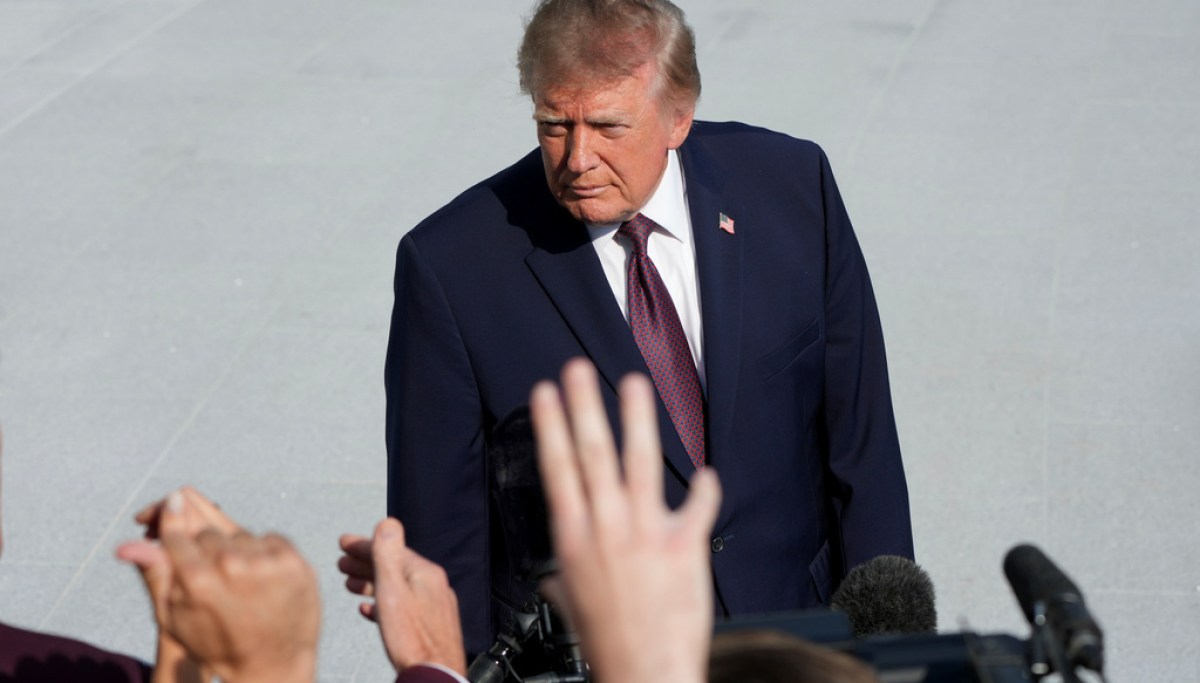
Cover image from nypost.com, which was analyzed for this article
A Justice Department review claims Biden-era DOJ disproportionately prosecuted pro-life activists under the FACE Act. Abortion groups reportedly aided tracking. Pro-life advocates demand policy reversal.
PoliticalOS
Tuesday, April 14, 2026 — Politics
The DOJ report documents clear numerical disparities in FACE Act enforcement, with far more cases brought against pro-life protesters than against those attacking pregnancy centers. Whether those numbers prove illegal selective prosecution or simply track the prevalence of different violation types remains contested and unadjudicated. The Trump administration has already altered policy through pardons and tightened charging guidelines, shifting the balance but leaving unresolved how future governments should neutrally protect both clinic access and houses of worship.
What outlets missed
Most coverage omitted that the FACE Act has been used predominantly against pro-life defendants since 1994, with the Trump DOJ report itself noting roughly 97 percent of historic cases targeted clinic blockades rather than attacks on pro-life centers. Outlets underplayed the scale of post-Dobbs incidents, with more than 100 reported attacks on pregnancy resource centers and churches yielding only five federal FACE charges. Nearly every account failed to note that many pro-life prosecutions involved documented obstruction of clinic entrances or repeat violations that legally escalated penalties, facts contained in the underlying court records. Coverage also gave short shrift to the Weaponization Working Group's explicit mandate to find prior misconduct, a structural feature that shapes the document's conclusions regardless of the underlying data.
Pro-life activists who blocked clinic doors, faced FBI arrests at home and received multi-year prison recommendations now have official backing for their claim that the system singled them out for their beliefs. A Justice Department review made public Tuesday says the Biden-era enforcement of the 1994 Freedom of Access to Clinic Entrances Act created a two-tiered system, pursuing dozens of cases against abortion opponents while largely overlooking violence against pregnancy centers and churches. The findings arrive as the Trump administration has already pardoned 23 convicted activists, dismissed pending cases and directed prosecutors to pursue future FACE violations only in extraordinary circumstances.
The roughly 900-page document, produced by a Weaponization Working Group established under Attorney General Pam Bondi, examined more than 700,000 internal records. According to the report, Biden-era officials revived a national task force after the 2022 Dobbs decision, coordinated with abortion-provider organizations including Planned Parenthood, the National Abortion Federation and the Feminist Majority Foundation to identify targets, and in some instances withheld data that could have supported selective-prosecution defenses. Prosecutors sought average sentences of 26.8 months for pro-life defendants compared with 12.3 months for those accused of attacking pro-life facilities, the review states. It also alleges attempts to screen jurors based on religious faith and the use of aggressive early-morning arrests rather than voluntary surrender.
One cited example involved Mark Houck, a Catholic father of seven arrested by multiple armed FBI agents at his Pennsylvania home in 2022 after an altercation with a clinic escort; he was later acquitted. The report says abortion groups supplied dossiers containing addresses, photographs and travel plans of uncharged activists, information that was used to monitor them for years before charges were filed. Acting Attorney General Todd Blanche said the department "will not tolerate a two-tiered system of justice" and that selective prosecution based on beliefs "will not happen again."
Yet key specifics, including the role of a task force leader named Sanjay Patel, exact wording of certain internal emails describing judges as "very Catholic" or activists as "culty," and the precise sentencing averages could not be independently verified in cross-outlet reporting. Those details appear only in the current DOJ document and in coverage that relied on it. The FACE Act itself, passed with bipartisan support in 1994, was designed to protect access to both abortion clinics and religious sites. Court records show the majority of federal cases since its enactment have involved sit-ins or blockades by abortion opponents, a pattern that continued after Dobbs when protests intensified.
The review acknowledges more than 100 reported incidents of vandalism and arson against pregnancy resource centers and churches in the post-Dobbs period, with only a handful resulting in FACE charges. By contrast, roughly two dozen cases were brought against pro-life defendants, most involving obstruction or repeat offenses that escalated from misdemeanor to felony. Four prosecutors involved in those earlier cases were fired in the days before the report's release; one declined comment. A former Civil Rights Division attorney called the dismissals "unconscionable" political retribution that punishes civil servants for enforcing a law courts have repeatedly upheld.
The central tension remains unresolved: whether the numerical imbalance reflects deliberate viewpoint discrimination or the simple reality that clinic blockades produce identifiable victims and clear evidence while attacks on crisis-pregnancy centers often involve anonymous property damage handled at the state level. The Trump administration has reversed course on enforcement priorities. Abortion-rights organizations have expressed concern that reduced federal oversight will endanger patients and staff. Pro-life groups say the report vindicates years of complaints that their First Amendment activities were treated as criminal while violence directed at them was minimized. No independent prosecutor or court has yet ruled on the selective-enforcement claims, leaving both sides to interpret the same set of internal emails and case files through opposing lenses.
More in Politics

Federal Agents Search Omar Home in Ongoing Immigration Probe
Homeland Security agents searched the Minnesota Democrat's DC residence in a criminal probe, prompting accusations of political intimidation from Omar and Democratic leaders. Coverage spans left-leaning outlets like NPR, BBC, and The Guardian alongside right-leaning criticism from The Federalist and Daily Wire.

Trump Diesel Import Plan Draws Pushback Over Russia Ties
The weekend agreement drew bipartisan congressional pushback and criticism from Ukraine's Zelenskyy, with analysts downplaying US fuel price impacts. Right-leaning outlets like National Review, Dispatch, and Washington Examiner questioned its legality and effectiveness.

Independents Test Voter Appetite for Middle Ground in 2026 Midterms
Nearly 200 independents are running in competitive races as voters weigh ballot measures on housing costs in states like Massachusetts. Left-leaning coverage from NYT, NPR, and Guardian highlights turnout and key races while right outlets focus on GOP strategy.
Trump Rallies in Alaska, Ohio to Bolster GOP Senate Candidates
The president rallied in Wasilla for Sen. Dan Sullivan and faced empty seats at an Ohio event amid midterm concerns. Outlets across the spectrum covered the trips as signals of GOP vulnerability weeks before Election Day.
The Compass
You just read five takes on one story.
What's your take? Find your political shape in a few minutes.
Take the test