
DOJ Sues Connecticut Sanctuary Cities as Enforcement, Arrests and Detention Conditions Spark Debate
Cover image from foxnews.com, which was analyzed for this article
The DOJ sued Connecticut cities over sanctuary policies defying federal immigration enforcement, amid mass arrests criticized for low violent crime rates. ICE detention conditions draw outcry, while task forces target immigrants. Stories highlight enforcement stats and human rights concerns.
PoliticalOS
Wednesday, April 15, 2026 — Politics
The Trump administration is aggressively testing the limits of federal immigration power through lawsuits against sanctuary jurisdictions, multi-agency crime task forces that include immigration enforcement, and rapid expansion of detention capacity. While officials cite concrete drops in certain crimes and large numbers of arrests and weapons seizures, independent verification of some key statistics remains incomplete and local communities report chilled cooperation, economic disruption and genuine fear. The central unresolved issue is whether these tactics ultimately enhance safety or erode the trust necessary for effective policing in diverse neighborhoods.
What outlets missed
Most coverage omitted that Connecticut's Trust Act, as amended in 2025, explicitly requires honoring ICE detainers for serious felonies, judicial warrants or terror watchlist matches, undercutting blanket claims of total non-cooperation. Outlets also underplayed the March 2026 federal court dismissal of a near-identical DOJ suit against Colorado and Denver, which ruled states cannot be compelled to use their resources for federal immigration enforcement. On the Memphis task force, few reports balanced immigrant arrest data with specific metrics on 44 homicide arrests, more than 6,400 firearms violations and recovery of 123 missing children. Coverage of Camp East Montana rarely noted ICE's replacement of the original contractor in March 2026 or the facility's explicitly temporary design, framing problems as systemic rather than transitional. Finally, pre-existing crime declines in Memphis since 2023 were sometimes mentioned but seldom integrated with the task force's warrant-heavy arrest profile.
Trump Immigration Enforcement Focuses on Nonviolent Offenses While Sparking Fear and Humanitarian Concerns
Federal immigration authorities have arrested more than 800 immigrants in Memphis as part of a high-profile Trump administration crime task force, but only about 2 percent of those arrests involved violent crimes, according to records reviewed by ProPublica. The operation, launched with promises to combat a violent crime wave, instead appears to have concentrated on traffic violations and other nonviolent infractions, raising questions about its alignment with stated public safety goals even as it has instilled widespread fear in immigrant communities.
The Memphis Safe Task Force made more than 5,200 arrests in its first four months. The vast majority were for nonviolent offenses. An analysis of the immigration-related arrests showed that roughly four out of five followed routine traffic stops. This pattern has left many legal and undocumented residents wary of everyday activities such as driving to work or sending children to school. City crime data adds another layer to the discrepancy. Violent crime in Memphis had already fallen steadily since 2023, reaching a 25-year low before the task force began operations.
One Honduran street vendor, identified only as Elmer in ProPublica’s reporting, described the atmosphere of constant vigilance. The 44-year-old father lines up worn tennis shoes for sale on a busy Memphis corner while keeping an eye on passing vehicles. Last fall, agents detained two Guatemalan men near his stand. Weeks later, a taco truck owner was taken into custody. In December, Elmer’s 19-year-old nephew was arrested after a traffic stop and remains in a Tennessee detention center. Elmer and his son, who fled gang violence in Honduras seven years ago, now fear they could be targeted next despite having built a modest life selling shoes.
These local arrests feed into a larger national system of detention that has come under sharp criticism for conditions some experts describe as inhumane. The largest immigration detention facility in the United States, Camp East Montana on the Fort Bliss army base near El Paso, holds an average of about 2,500 people daily in a sprawling tent complex with a capacity of 5,000. Opened less than a year ago, the camp has quickly become the subject of health and human rights concerns.
Former detainee D, a young Venezuelan man who asked to be identified only by his initial, told The Guardian the experience felt like “psychological torture.” Dust infiltrated every corner, covering blankets and irritating lungs. Industrial air conditioning kept the enormous tents at near-freezing temperatures regardless of the desert heat outside. Rain leaked through tarps onto mattresses. Persistent coughing spread through the facility. “Everyone was coughing a lot – and with the same problem to breathe,” D recalled after his release.
Legal scholars and environmental experts have pointed to additional problems. The camp relies on diesel generators rather than permanent infrastructure, producing significant emissions that contribute to climate change while failing to provide basic plumbing, consistent medical care, or stable shelter. Danielle Jefferis, an associate professor at the University of Nebraska College of Law, noted that the visible environmental and humanitarian shortcomings require no specialized expertise to recognize. Reports of sickness, abuse, and at least one death have accumulated in the camp’s short existence, according to advocates and released detainees.
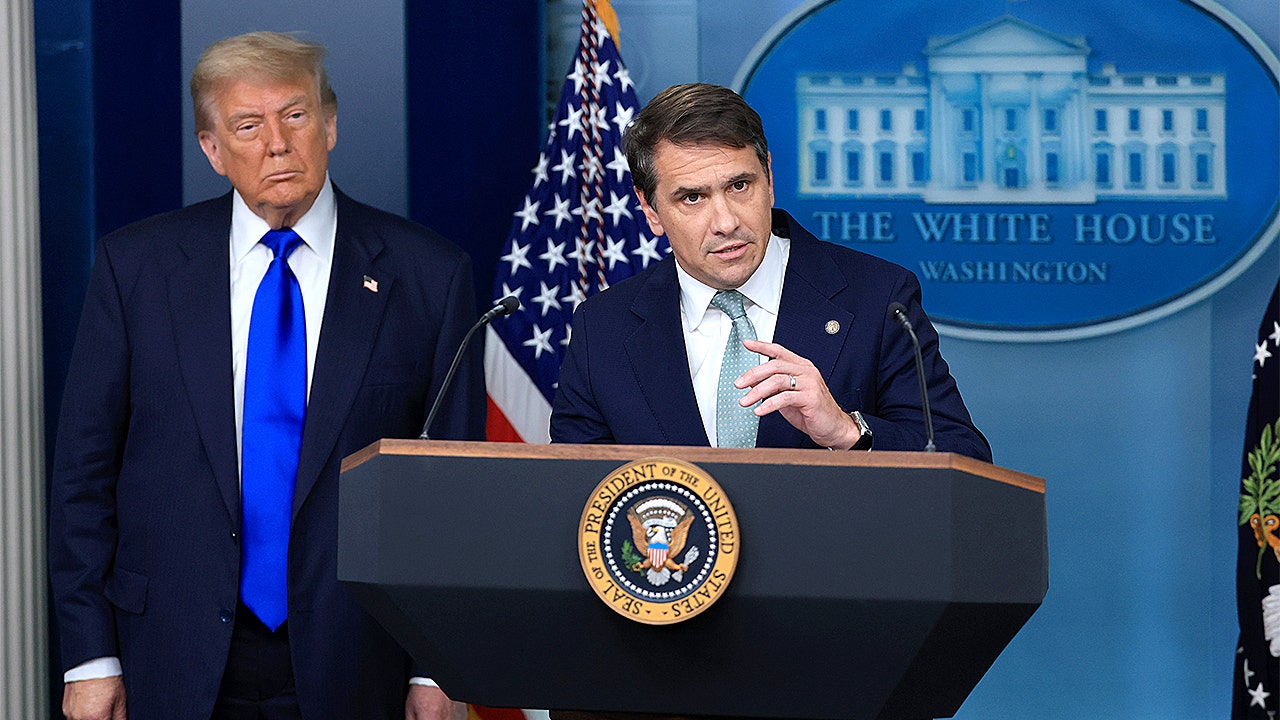
The enforcement push extends beyond street-level operations and detention centers. On the same day details of the Memphis arrests and camp conditions circulated, the Justice Department filed a lawsuit against Connecticut, its governor, attorney general, and the city of New Haven. The complaint accuses state and local “sanctuary” policies of obstructing federal immigration law in violation of the Supremacy Clause. Assistant Attorney General Brett Shumate said the policies have allowed “dangerous criminals” to remain in communities and represent “open defiance” of federal authority.
Connecticut officials pushed back. Governor Ned Lamont’s office maintained that state laws do not prevent federal enforcement. New Haven Mayor Justin Elicker called portions of the complaint misleading and said the city would vigorously defend its policies, which he argued protect community trust in local police without shielding serious offenders.
The juxtaposition is notable. While the administration argues sanctuary jurisdictions endanger the public by limiting cooperation with Immigration and Customs Enforcement, the Memphis task force data suggests that a substantial portion of recent federal activity has targeted individuals whose primary offenses are minor or administrative. Traffic stops have become a primary gateway to immigration detention, a tactic that critics say chills routine civic participation and strains already vulnerable populations.
Immigrant advocates in Memphis and along the southern border describe a climate of anxiety that reaches beyond those directly at risk of arrest. Parents hesitate to attend school meetings. Workers avoid reporting wage theft. Small business owners like Elmer scan streets for unmarked vehicles. The fear compounds when detainees arrive at facilities like Camp East Montana, where basic dignity appears secondary to rapid expansion of capacity.
The Trump administration has framed these operations as necessary to restore order and enforce immigration law after what it calls years of lax oversight. Yet the early results in Memphis show limited success at apprehending violent offenders while generating significant collateral consequences for noncriminal immigrants and their families. At the same time, the reported conditions at newly constructed desert camps have drawn comparisons to earlier scandals in immigration detention, prompting renewed calls for oversight from lawmakers, public health experts, and environmental groups.
Whether the current approach will ultimately reduce crime in cities like Memphis remains an open question, particularly given the pre-existing downward trend in violence. What is clearer is the immediate human impact: families separated, communities living in shadows, and a detention system struggling to meet minimum standards of habitability. As federal lawsuits against sanctuary policies proceed and task forces continue their work, the tension between enforcement priorities and practical outcomes is likely to intensify.
You just read Liberal's take. Want to read what actually happened?
More in Politics
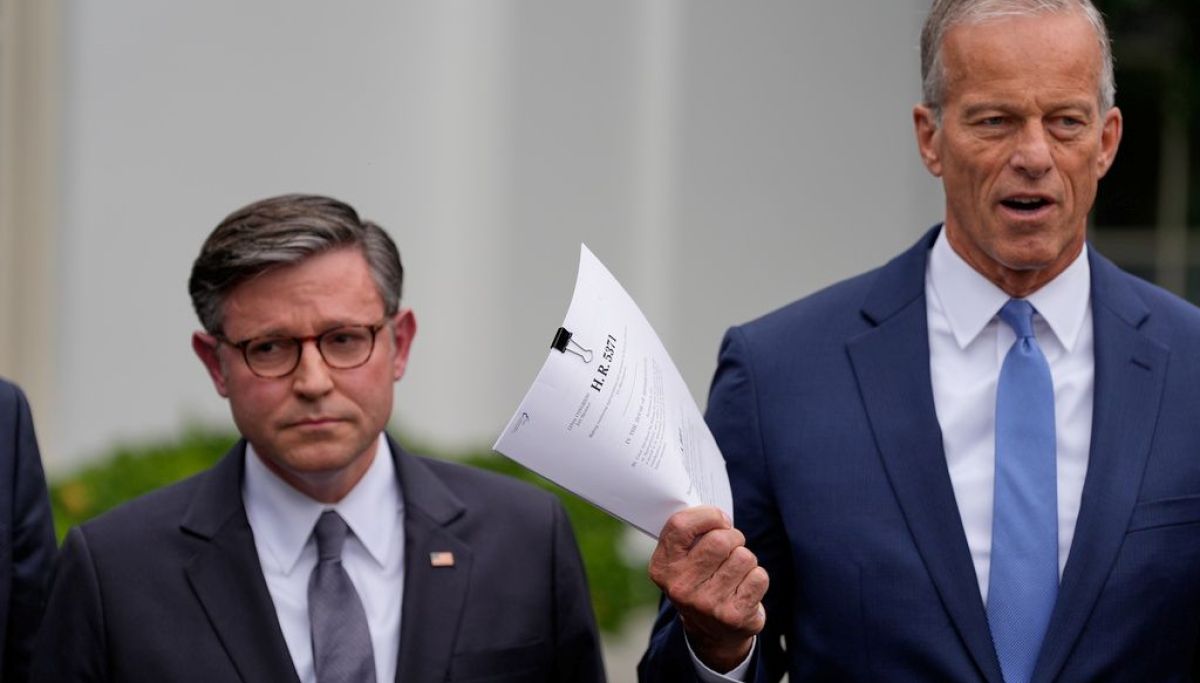
Trump at 32% Approval as Gas Prices Test GOP Midterm Hopes
NYT/Siena polling showed Trump's approval at historic lows around 32 percent with Democrats leading by double digits in key districts. Early voting has surged in battleground states.

Record Early Voting Hits Battlegrounds, Shifting Partisan Shares
AP analysis found hundreds of thousands more early ballots than in 2022 in states including Texas, Ohio, Kansas, Maine, and North Carolina, shifting partisan dynamics.
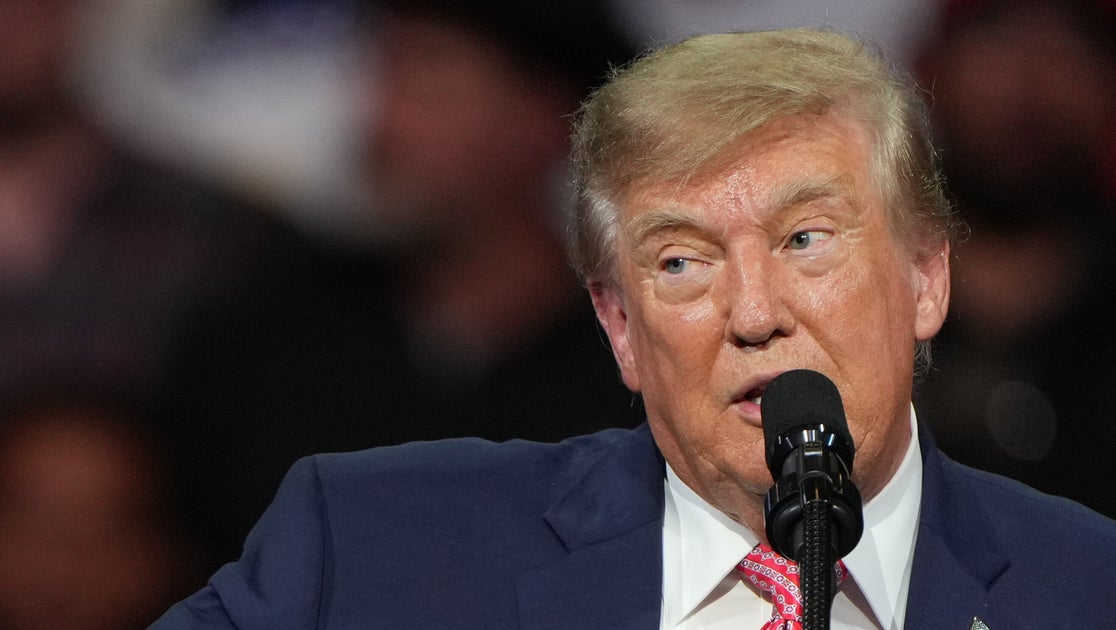
Trump Backs Marshall in Kansas Senate Race Tightened by Farm Costs
President Trump rallied in deep-red Kansas for GOP Sen. Roger Marshall in a competitive race, announcing an $8 billion farm fuel relief program amid high diesel prices. Democrats see an opening to end 94 years of GOP dominance in the state.

Trump Pauses Russia Sanctions Amid Ukraine Tensions and Missile Strikes
Trump waived sanctions on Russia and floated trilateral talks with Putin and Xi as part of ending the Ukraine war, while tensions rose with Zelenskyy over Starlink and arms. Bipartisan senators engaged Zelenskyy amid the shifts.
The Compass
You just read five takes on one story.
What's your take? Find your political shape in a few minutes.
Take the test