
DOJ Sues Connecticut Sanctuary Cities as Enforcement, Arrests and Detention Conditions Spark Debate
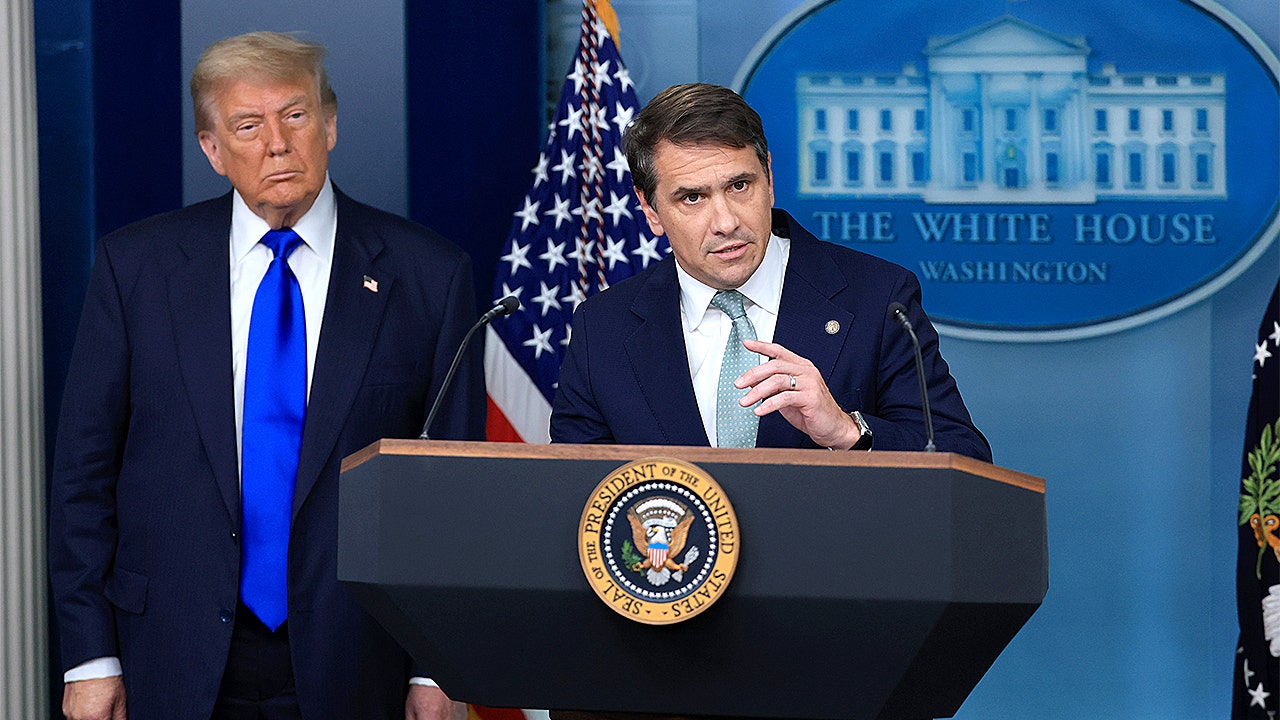
Cover image from foxnews.com, which was analyzed for this article
The DOJ sued Connecticut cities over sanctuary policies defying federal immigration enforcement, amid mass arrests criticized for low violent crime rates. ICE detention conditions draw outcry, while task forces target immigrants. Stories highlight enforcement stats and human rights concerns.
PoliticalOS
Wednesday, April 15, 2026 — Politics
The Trump administration is aggressively testing the limits of federal immigration power through lawsuits against sanctuary jurisdictions, multi-agency crime task forces that include immigration enforcement, and rapid expansion of detention capacity. While officials cite concrete drops in certain crimes and large numbers of arrests and weapons seizures, independent verification of some key statistics remains incomplete and local communities report chilled cooperation, economic disruption and genuine fear. The central unresolved issue is whether these tactics ultimately enhance safety or erode the trust necessary for effective policing in diverse neighborhoods.
What outlets missed
Most coverage omitted that Connecticut's Trust Act, as amended in 2025, explicitly requires honoring ICE detainers for serious felonies, judicial warrants or terror watchlist matches, undercutting blanket claims of total non-cooperation. Outlets also underplayed the March 2026 federal court dismissal of a near-identical DOJ suit against Colorado and Denver, which ruled states cannot be compelled to use their resources for federal immigration enforcement. On the Memphis task force, few reports balanced immigrant arrest data with specific metrics on 44 homicide arrests, more than 6,400 firearms violations and recovery of 123 missing children. Coverage of Camp East Montana rarely noted ICE's replacement of the original contractor in March 2026 or the facility's explicitly temporary design, framing problems as systemic rather than transitional. Finally, pre-existing crime declines in Memphis since 2023 were sometimes mentioned but seldom integrated with the task force's warrant-heavy arrest profile.
Trump Immigration Enforcement Targets Nonviolent Offenders and Fuels Detention Scandals
The Trump administration’s high-profile crackdown on crime in Memphis has resulted in more than 800 arrests of immigrants, but only 2 percent involved violent crimes, according to law enforcement records analyzed by ProPublica. The findings cast fresh doubt on claims that the federal surge is primarily about protecting communities from dangerous offenders, even as reports mount of squalid conditions inside new desert detention camps and legal warfare against cities that limit cooperation with immigration authorities.
The Memphis Safe Task Force was launched last year after President Trump singled out the city for a law enforcement “surge” to combat violent crime. Yet local data shows violent crime had already fallen steadily since 2023 and reached a 25-year low before the task force began operations. Of the more than 5,200 total arrests made in its first four months, the overwhelming majority were for nonviolent offenses. Immigration arrests followed the same pattern: roughly four out of five stemmed from routine traffic stops rather than any targeted investigation into serious lawbreaking.
Immigrants living and working in Memphis say the operations have instilled widespread fear. Elmer, a 44-year-old street vendor from Honduras, described constantly watching for federal agents while selling shoes beside a convenience store. Last fall, agents detained two Guatemalan men near his stand and later arrested the owner of a nearby taco truck. In December, Elmer’s 19-year-old nephew was pulled over in a traffic stop and remains locked inside a Tennessee detention center. Elmer and his son, who fled gang violence in Honduras seven years ago, are undocumented and now fear they could be next.
The Memphis operations reflect a national strategy that has rapidly expanded detention capacity, often in remote and hastily constructed facilities. At Camp East Montana, a sprawling tent complex on the Fort Bliss base in West Texas, the largest immigration detention site in the country now holds an average of more than 2,500 people. Detainees and advocates describe conditions that amount to psychological torture: constant dust clogging airways, air conditioning set so cold that people shiver under thin blankets, rainwater leaking through tarps onto mattresses, and widespread coughing and respiratory distress. The camp’s reliance on diesel generators in the desert has also drawn criticism from environmental experts who note the obvious carbon emissions and lack of proper infrastructure for human health.
Danielle Jefferis, a law professor at the University of Nebraska, said the environmental and humanitarian problems are self-evident. “If you don’t have a brick-and-mortar building that is properly plumbed and has appropriate medical units and all of the basic infrastructure relating to human rights, you are creating harm,” she said. Reports of sickness and at least one death have surfaced since the camp opened last summer, adding to a growing record of complaints.
At the same time, the Justice Department is aggressively challenging state and local governments that have tried to shield their communities from this enforcement dragnet. In a lawsuit filed this week, the DOJ accused Connecticut, its governor, attorney general, and the city of New Haven of “open defiance” of federal law through sanctuary policies that limit cooperation with ICE. The complaint claims these measures have allowed “dangerous criminals” back onto the streets. New Haven Mayor Justin Elicker called the suit misleading and said the city would fight it, arguing that local policies do not block federal enforcement but simply decline to use municipal resources to assist it.
Immigrant-rights advocates and civil liberties groups contend the Memphis numbers tell the real story: federal agents are sweeping up workers, vendors, and traffic violators far more often than they are apprehending violent felons. The administration’s approach, they say, has less to do with public safety than with fulfilling campaign promises to conduct mass removals regardless of individual records. The result is traumatized communities, overcrowded and poorly run detention camps, and expensive litigation against cities whose residents have voted to adopt protective policies.
Elmer still sets up his shoe stand each day, but he no longer feels safe in the country that was supposed to offer refuge from the gang violence he escaped. His nephew’s continued detention weighs heavily. Similar stories are multiplying across the country as the administration’s enforcement machine expands, generating fear, lawsuits, and documented human suffering while producing little evidence that it is meaningfully reducing violent crime.
You just read Progressive's take. Want to read what actually happened?
More in Politics
Trump at 32% Approval as Gas Prices Test GOP Midterm Hopes
NYT/Siena polling showed Trump's approval at historic lows around 32 percent with Democrats leading by double digits in key districts. Early voting has surged in battleground states.

Record Early Voting Hits Battlegrounds, Shifting Partisan Shares
AP analysis found hundreds of thousands more early ballots than in 2022 in states including Texas, Ohio, Kansas, Maine, and North Carolina, shifting partisan dynamics.
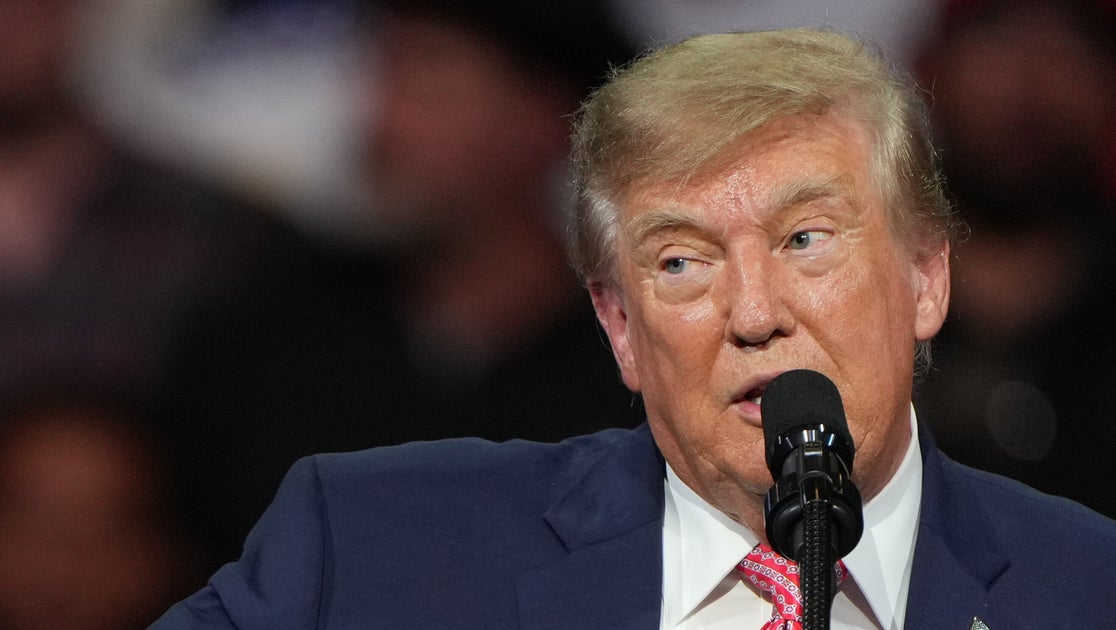
Trump Backs Marshall in Kansas Senate Race Tightened by Farm Costs
President Trump rallied in deep-red Kansas for GOP Sen. Roger Marshall in a competitive race, announcing an $8 billion farm fuel relief program amid high diesel prices. Democrats see an opening to end 94 years of GOP dominance in the state.

Trump Pauses Russia Sanctions Amid Ukraine Tensions and Missile Strikes
Trump waived sanctions on Russia and floated trilateral talks with Putin and Xi as part of ending the Ukraine war, while tensions rose with Zelenskyy over Starlink and arms. Bipartisan senators engaged Zelenskyy amid the shifts.
The Compass
You just read five takes on one story.
What's your take? Find your political shape in a few minutes.
Take the test