
Record Early Voting Hits Battlegrounds, Shifting Partisan Shares

Cover image from motherjones.com, which was analyzed for this article
AP analysis found hundreds of thousands more early ballots than in 2022 in states including Texas, Ohio, Kansas, Maine, and North Carolina, shifting partisan dynamics.
PoliticalOS
Thursday, October 22, 2026 — Politics
Early voting volumes exceed recent cycles in several contested states, with Democratic ballot-request shares rising in Iowa and elsewhere. Without demographic or survey breakdowns of those ballots, the ultimate electoral impact remains undetermined.
What outlets missed
The provided coverage from Mother Jones focused exclusively on aluminum recycling policy and contained no election data. The New York Times article examined Iowa farm economics and voter sentiment but omitted early-voting statistics for the state. The Chicago Sun-Times column cited early-voting increases yet supplied no comparison to 2022 totals in the listed battlegrounds or any independent verification of claimed Democratic share gains beyond a single CNN reference.
Voters in multiple states with competitive Senate races have cast ballots at rates far above recent midterms, with more than 4 million early votes recorded nationwide by late October. The surge coincides with widespread public concern over fuel prices, inflation and trade policy, though the partisan composition of those ballots varies by state.
In Iowa, Democratic ballot requests reached 67 percent of the total, 13 points higher than at the same point in 2024, according to a CNN compilation of state data. Similar increases in Democratic share appeared in Pennsylvania, Maine and North Carolina. Ohio showed a larger Democratic portion of early voters even in heavily Republican counties. Texas recorded nearly 19 million registered voters, an 8 percent rise since 2022. Georgia processed more than 600,000 ballots in the first four days of early voting, exceeding prior records. Rhode Island and Virginia also reported early-voting totals double or triple those of 2022.
These figures come from state election offices and have not been broken down by final vote choice. Analysts note that higher overall participation does not automatically favor one party; the key variable remains which side converts enthusiasm into Election Day turnout. Republican candidates in several states have spent heavily on advertising to offset the early numbers, while Democratic strategists point to the volume as evidence of dissatisfaction with current economic conditions.
No national survey of early voters has yet been released to confirm motivations. State-level data on registration and ballot requests provide the only available indicators so far.
More in Politics
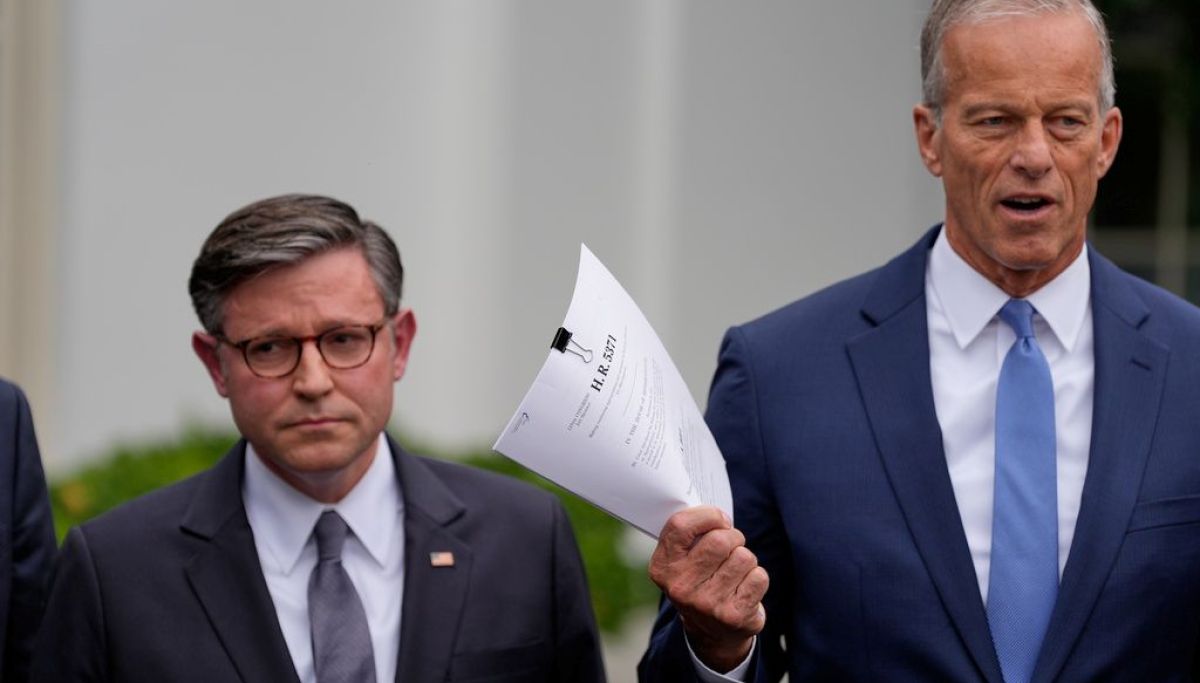
Trump at 32% Approval as Gas Prices Test GOP Midterm Hopes
NYT/Siena polling showed Trump's approval at historic lows around 32 percent with Democrats leading by double digits in key districts. Early voting has surged in battleground states.
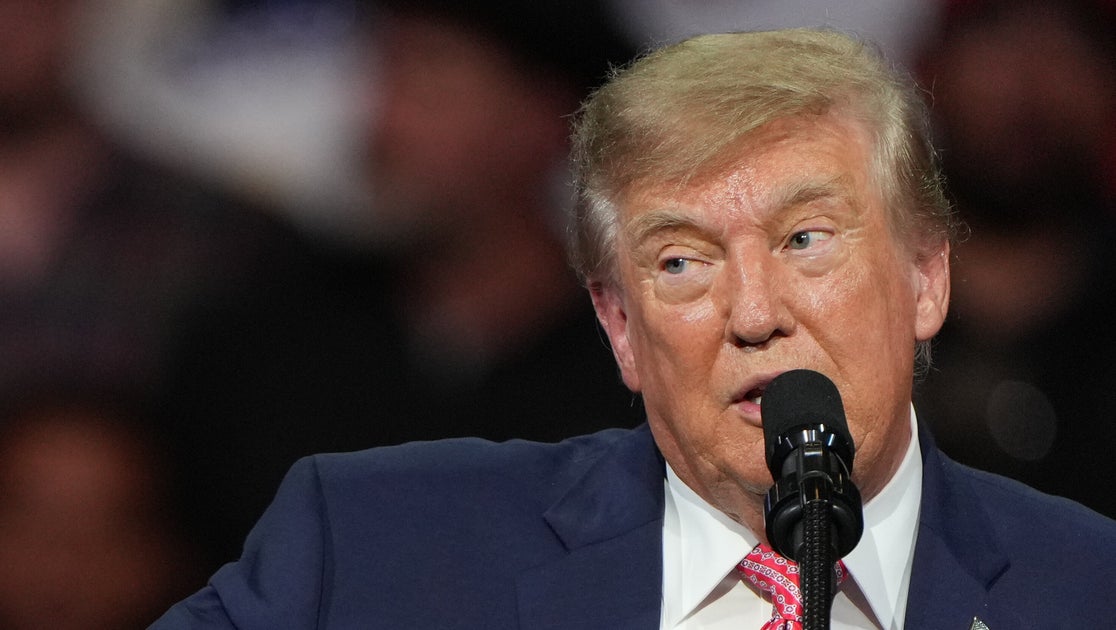
Trump Backs Marshall in Kansas Senate Race Tightened by Farm Costs
President Trump rallied in deep-red Kansas for GOP Sen. Roger Marshall in a competitive race, announcing an $8 billion farm fuel relief program amid high diesel prices. Democrats see an opening to end 94 years of GOP dominance in the state.

Trump Pauses Russia Sanctions Amid Ukraine Tensions and Missile Strikes
Trump waived sanctions on Russia and floated trilateral talks with Putin and Xi as part of ending the Ukraine war, while tensions rose with Zelenskyy over Starlink and arms. Bipartisan senators engaged Zelenskyy amid the shifts.

Polls Show Partisan Split on Midterm Fairness Expectations
Polls show about 60% of Americans expect fair midterms, but most doubt Trump would accept results if Republicans lose, reflecting deep partisan skepticism two weeks before Election Day.
The Compass
You just read five takes on one story.
What's your take? Find your political shape in a few minutes.
Take the test