
Fed Holds Rates Steady in Powell's Final Meeting Amid Warsh Transition
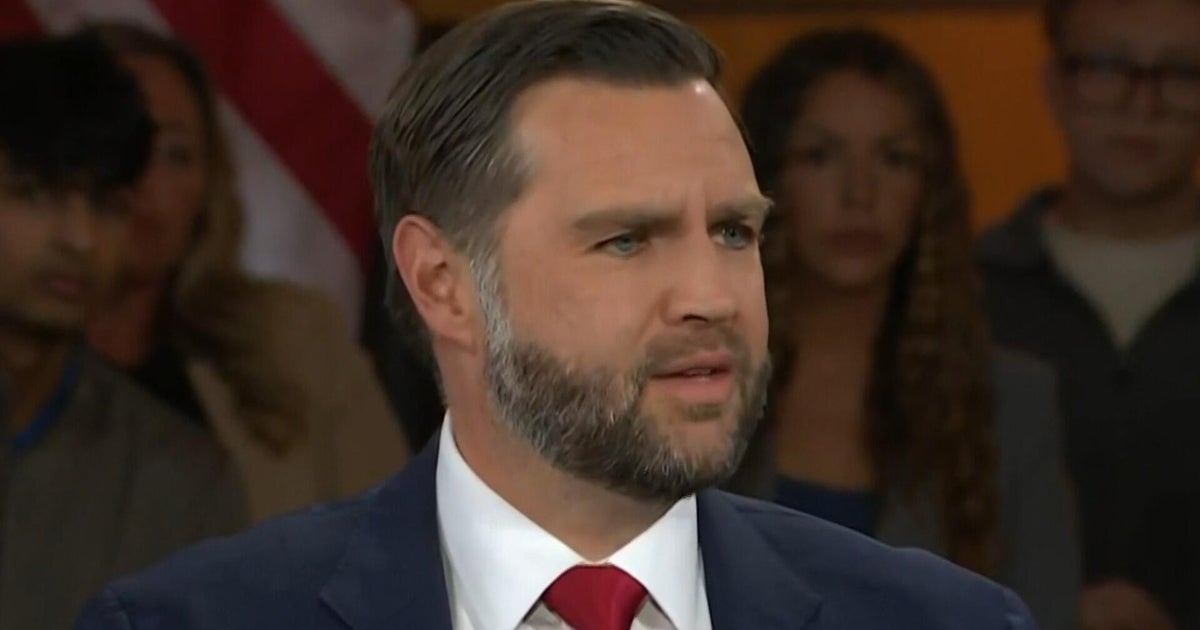
Cover image from finance.yahoo.com, which was analyzed for this article
Jerome Powell's Fed is expected to keep interest rates unchanged at his last meeting before term end, with Kevin Warsh positioned as Trump pick facing Senate scrutiny. Briefing focuses on inflation, Iran impacts, and policy shift. Markets watch for forward guidance.
PoliticalOS
Wednesday, April 29, 2026 — Business
The Federal Reserve is keeping rates at 3.50%-3.75% because officials see inflation risks from sustained high oil prices as more immediate than any productivity gains that Warsh has suggested could justify easing. While Warsh's nomination is advancing, the Senate process has included bipartisan questions about central bank independence that most coverage minimized. The single most important reality is that Powell's departure does not automatically unlock lower rates; geopolitical shocks and sticky inflation data have extended the timeline for relief well into 2027.
What outlets missed
Most accounts underplayed the dual drivers of March's inflation jump, which included both the oil shock and new tariffs implemented earlier in the year, according to USA Today and CNBC reporting. Senate hearing details from April 21 received uneven treatment: nearly all sources omitted or minimized Sen. Elizabeth Warren's pointed questions about Warsh's independence and personal finances, as well as Sen. Thom Tillis's initial threat to block the nomination until the DOJ matter fully closed. The precise federal funds target range of 3.50%-3.75% appeared in only a minority of previews, leaving readers without a concrete baseline. Finally, coverage rarely noted that Powell's potential continued service as a governor through 2028 could create an unusual overlap of old and new leadership at the board level, an institutional wrinkle with long-term implications for policy continuity.
Kevin Warsh Nomination Tests the Boundaries of Federal Reserve Independence
The Senate Banking Committee is set to vote Wednesday on Kevin Warsh to lead the Federal Reserve, a pivotal moment that will reveal how far President Donald Trump can bend one of the government’s most insulated institutions toward his vision of lower interest rates and faster growth. If confirmed, Warsh would replace Jerome Powell, whose term ends in mid-May, at a time when the central bank faces stubborn inflation, the economic fallout from the U.S.-led conflict with Iran, and intense political scrutiny.
The timing is not coincidental. On the same day as the committee vote, the Federal Open Market Committee is expected to announce that it is holding its benchmark interest rate steady. Powell’s final meeting as chair comes against a troubling backdrop: the Fed’s preferred inflation gauge remains roughly a percentage point above its 2 percent target, with fresh March data due later this week likely to show further increases. Global oil prices have surged past $110 a barrel, more than $40 higher than before the February 28 start of the U.S.-Israeli bombing campaign against Iran. Stalemated negotiations have left the Strait of Hormuz largely closed, choking off a critical share of the world’s oil supply and turning what policymakers had hoped would be a temporary energy shock into something more persistent.
This is the environment into which Warsh, a former Morgan Stanley banker and the youngest person ever appointed to the Fed’s Board of Governors in 2006, now steps. Trump has made clear he wants a Fed chair more attuned to his priorities, someone who will weigh the benefits of higher productivity and looser financial conditions against the risks of higher prices. Yet markets are skeptical. Traders see almost no chance of rate cuts before the middle of next year, effectively betting that Warsh will struggle to persuade his colleagues that America’s productivity gains can reliably outrun inflation pressures.
The path to this vote was itself revealing. Sen. Thom Tillis, a North Carolina Republican, had blocked progress on the nomination until the Justice Department closed its investigation into Powell and the Fed’s headquarters renovation project. The White House had reportedly pushed for the probe to continue, underscoring the unusual degree of political pressure now surrounding the central bank. That pressure arrives at a delicate time. A Supreme Court decision on the status of Fed Governor Lisa Cook looms, the November midterms are approaching, and the narrow Republican Senate majority leaves little margin for error on a confirmation vote.
The Fed’s relative insulation from day-to-day politics has long been viewed as one of its core strengths. By design, it is supposed to make unpopular decisions—raising rates to cool an overheating economy, for instance—without fear of immediate electoral consequences. Its choices ripple outward in ways that shape mortgage rates, car loans, business investment, and the job prospects of millions of Americans. When that independence appears threatened, the risk is not merely procedural. It is that future chairs will internalize political expectations, trimming their policy responses to fit the priorities of the moment rather than the data.
Warsh’s supporters argue that he brings both market experience and a sophisticated understanding of how regulatory and monetary policy interact. They note that the post-pandemic economy has defied simple categorization, with strong job growth coexisting alongside disappointing progress on inflation. In March, unexpectedly robust employment numbers pushed the unemployment rate lower even as price pressures refused to ease. Yet the deeper question is whether any single appointee can thread the needle between Trump’s desire for easier money and the structural realities of energy-driven inflation that no amount of rhetorical pressure can dissolve.
Economists watching the Fed’s deliberations Wednesday say the policy statement is unlikely to signal imminent rate hikes, but the tone is expected to tilt more “hawkish” than in March. The combination of tighter labor markets and energy costs that refuse to normalize has left policymakers wary of declaring victory. Michael Feroli, chief U.S. economist at JPMorgan, noted that recent data “may shade the discussion a bit more hawkish” without crossing the threshold into explicit warnings about higher rates.
For all the focus on personalities and political maneuvering, the underlying challenge is economic. The war in Iran has imposed a genuine supply shock on the global energy system. Closing the Strait of Hormuz does not merely raise prices temporarily; it forces a reallocation of resources that can embed higher costs throughout the economy. If those costs translate into wage-price spirals or changed inflation expectations, the Fed’s job becomes significantly harder. A chair perceived as too close to the White House may find it more difficult, not easier, to convince markets and the public that policy remains anchored in data rather than political convenience.
The committee vote, therefore, is about more than one nomination. It is an early test of whether the guardrails that have kept monetary policy largely separate from the electoral calendar can survive the current political moment. Should Warsh advance to the Senate floor, the debate will likely center on his past writings, his relationship with Trump, and his views on the balance between growth and stability. Yet the larger stakes involve whether the Federal Reserve can retain the credibility it needs to manage inflation expectations in an era of geopolitical volatility and domestic polarization.
Republicans hold the Senate by a slim margin. Any significant defections could complicate confirmation. Democrats on the committee are expected to press Warsh on the importance of preserving the Fed’s independence and on how he would navigate the tension between the administration’s growth ambitions and the need to keep inflation expectations anchored. Their questions will likely highlight the contrast between Powell’s sometimes frustrating caution and the more activist approach Trump has signaled he prefers.
Whatever the outcome this week, the Federal Reserve enters a new chapter. The combination of external shocks from the Middle East and internal pressures from Washington creates a narrower path for policy success than at any point in recent memory. Whether Kevin Warsh can walk that path while maintaining the institution’s hard-won credibility will shape not only the next four years of monetary policy but also the public’s confidence in one of the few remaining technocratic pillars of American governance.
You just read Liberal's take. Want to read what actually happened?
More in Business & Economy

Stocks Rise on Earnings as Home Sales Hit Low
Major indices closed mixed to higher, led by healthcare and defensive stocks, as companies like Eli Lilly and UnitedHealth reported strong results. Pending home sales hit record lows.

US Stocks Mixed as Tech Rebounds on AI Optimism
The Dow slipped slightly while the S&P 500 and Nasdaq rose, led by Nvidia, AMD, and Intel gains on renewed AI sector confidence after prior drops. Broader market volatility tied to earnings and data center demand.

Trump Unveils $8 Billion Diesel Relief for Farmers
The Agriculture Department launched the program to offset record diesel prices for farmers, framed as economic aid and a midterm pitch in Kansas amid ongoing inflation and energy cost pressures.
CPI Rises to 3.7 Percent as Energy Costs Climb Amid Iran Conflict
Hotter-than-expected CPI figures fueled rate hike fears and contributed to sharp declines in AI and tech stocks. Left and right economic commentary debates Trump policies versus Fed actions.
The Compass
You just read five takes on one story.
What's your take? Find your political shape in a few minutes.
Take the test