
Fed Set to Hold Rates as Tariffs, Iran Conflict Fuel Inflation
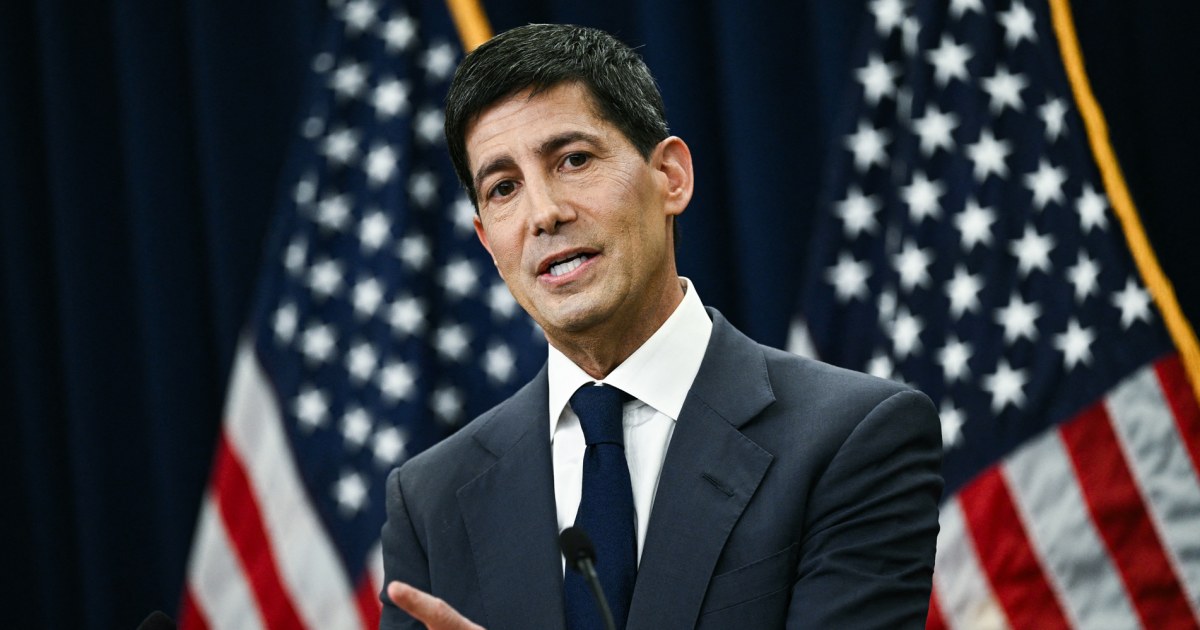
Cover image from nbcnews.com, which was analyzed for this article
The FOMC meets amid inflation pressures from tariffs and Middle East tensions, with markets watching for signals on interest rates around 3.5%.
PoliticalOS
Wednesday, July 29, 2026 — Business
The Fed is almost certain to hold rates steady this week, yet the path after September hinges on whether tariff and energy shocks keep inflation above target. Officials are already divided on how quickly to respond. Markets expect at least one hike by early next year regardless of Wednesday’s outcome.
What outlets missed
Neither outlet provided detailed household-level data on how five years of above-target inflation has affected different income groups. Both pieces omitted the precise vote tally expected from the FOMC and any internal forecasts for the September meeting. Coverage also lacked independent verification of the exact impact of the new 10-12.5 percent tariffs on core goods prices beyond general statements. The legal status of those tariffs in federal court received only passing mention despite its potential to alter supply-side inflation.
Federal Reserve Set to Hold Rates as Officials Weigh Persistent Inflation Pressures
The Federal Reserve is widely expected to leave its benchmark interest rate unchanged at the current target range of 3.5 to 3.75 percent when policymakers conclude their meeting Wednesday. Market pricing shows roughly a 64 percent chance of no move, according to CME Group data, though several regional bank presidents have signaled support for tighter policy if price increases remain elevated.
Dallas Fed President Lorie Logan stated earlier this month that rates should rise modestly to address inflation that has stayed above the central bank's 2 percent goal for more than five years. Cleveland Fed President Beth Hammack, Minneapolis Fed President Neel Kashkari and Governor Christopher Waller have offered similar remarks, suggesting the possibility of at least one or two dissents at the vote. Chairman Kevin Warsh will face questions about the path ahead during his afternoon news conference.
Recent price data have shown some moderation in core measures, yet energy and wholesale goods costs continue to climb at a brisk pace. This pattern has raised concerns that external shocks, including disruptions tied to ongoing Middle East conflicts and new tariff measures, could add further upward pressure on consumer prices. Historical patterns indicate that prolonged above-target inflation erodes real wages and savings, with the heaviest burden falling on households that lack assets to hedge against rising costs.
The labor market has remained relatively steady, with unemployment near recent averages, but higher borrowing expenses have already reduced demand for financed purchases such as vehicles and machinery. Small businesses report tighter credit conditions that limit expansion plans. Fed officials have long maintained that keeping rates too low for too long risks embedding higher inflation expectations, a lesson drawn from earlier episodes when policy accommodation outlasted the need.
Traders now assign a growing probability to a rate increase at the September meeting if incoming data fail to show further cooling. That outlook reflects the view that the current stance may prove insufficient should supply-side pressures from trade policy or geopolitical events intensify. Warsh and his colleagues will need to balance these risks against evidence that the economy has adjusted to the higher rate environment without a sharp downturn.
The debate underscores the challenge of restoring price stability after years of elevated readings. Data from the past half-decade show cumulative price increases that have outpaced wage gains for many workers in lower and middle income brackets, reducing purchasing power for everyday goods. Policymakers who favor holding rates cite recent softening in some inflation components, while those advocating a hike point to the risk that temporary factors could become persistent without further restraint.
Attention now turns to the post-meeting statement and Warsh's comments for any signals on how the committee intends to respond to future inflation prints. The outcome will shape borrowing costs across the economy and influence expectations for growth in the months ahead.
You just read Conservative's take. Want to read what actually happened?
More in Business & Economy

Business Activity Holds Up as Selling Prices Rise Fastest Since 2022
S&P Global PMI shows robust activity but selling prices rise at fastest pace since 2022 amid energy and supply chain costs. Halloween candy prices jump 7.7%.

Stock Futures Climb on Anthropic IPO Filing and AI Financing
Major indices rose on enthusiasm from Anthropic's IPO filing and broader AI infrastructure announcements including Meta's massive fundraising plans. Investors are betting heavily on continued AI growth despite valuation concerns.

Tariffs and AI Transition Fuel Growth and Job Worries
Trump's tariff rhetoric and AI-driven restructuring raised concerns about growth, inflation, and job impacts as markets reacted to geopolitical and tech shifts.

AI Companies Weigh Early IPOs as Risks Mount
Nasdaq fell sharply amid concerns over AI spending sustainability and data center costs; Nvidia, Meta, and others were hit as Meta and Tesla reported earnings.
The Compass
You just read five takes on one story.
What's your take? Find your political shape in a few minutes.
Take the test