
Fed Set to Hold Rates as Tariffs, Iran Conflict Fuel Inflation
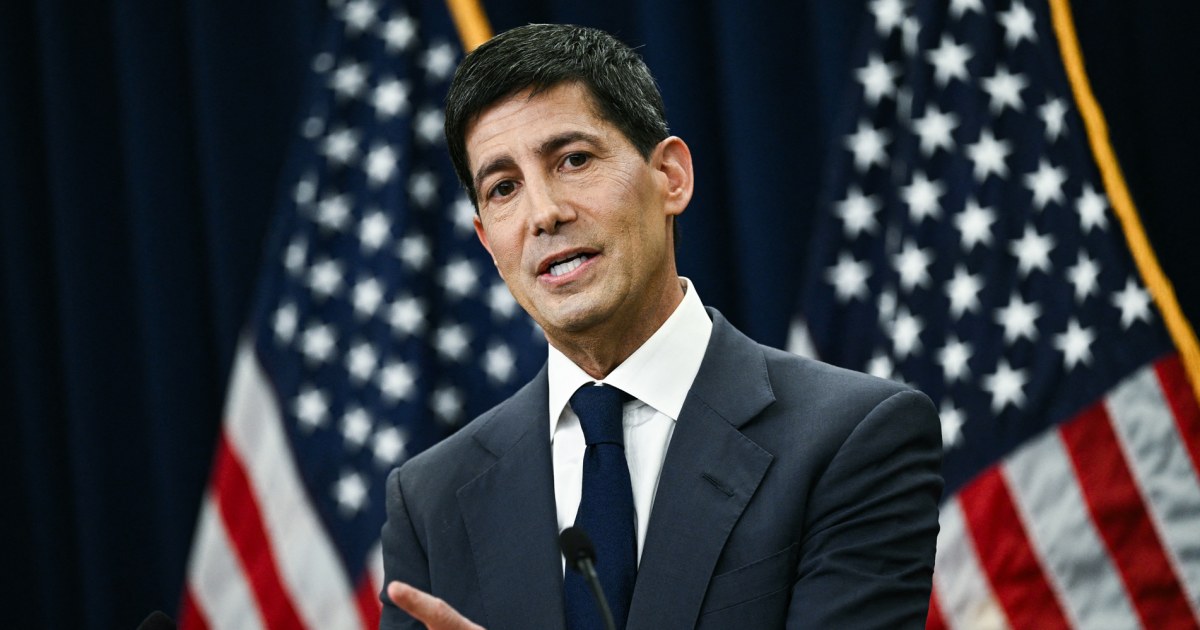
Cover image from nbcnews.com, which was analyzed for this article
The FOMC meets amid inflation pressures from tariffs and Middle East tensions, with markets watching for signals on interest rates around 3.5%.
PoliticalOS
Wednesday, July 29, 2026 — Business
The Fed is almost certain to hold rates steady this week, yet the path after September hinges on whether tariff and energy shocks keep inflation above target. Officials are already divided on how quickly to respond. Markets expect at least one hike by early next year regardless of Wednesday’s outcome.
What outlets missed
Neither outlet provided detailed household-level data on how five years of above-target inflation has affected different income groups. Both pieces omitted the precise vote tally expected from the FOMC and any internal forecasts for the September meeting. Coverage also lacked independent verification of the exact impact of the new 10-12.5 percent tariffs on core goods prices beyond general statements. The legal status of those tariffs in federal court received only passing mention despite its potential to alter supply-side inflation.
Fed Set to Hold Rates Steady Despite Growing Calls for Tighter Policy
The Federal Reserve is expected to leave its benchmark interest rate unchanged at Wednesday's meeting, with markets assigning roughly a two-thirds probability to no move from the current 3.5 to 3.75 percent range. Yet the decision arrives against a backdrop of persistent inflation that has outlasted the central bank's 2 percent target for more than five years, raising questions about how long the economy can sustain elevated borrowing costs without further eroding household finances.
Officials including Dallas Fed President Lorie Logan have argued publicly for modestly higher rates, citing the risk that inflation could reaccelerate if external shocks materialize. Cleveland Fed President Beth Hammack, Minneapolis Fed President Neel Kashkari and Governor Christopher Waller have echoed similar caution. Their comments point to the possibility of at least one or two dissents when the Federal Open Market Committee votes, narrowing the consensus Chairman Kevin Warsh will have to manage in his post-meeting press conference.
Recent data have offered some relief. Certain inflation gauges have edged lower, giving policymakers room to wait for clearer signals rather than act immediately. Still, energy and wholesale prices remain elevated, and the cumulative effect of above-target inflation has already raised the cost of everyday goods and services. For families balancing groceries, rent and transportation, that prolonged pressure has compounded an affordability squeeze that began well before the current rate cycle.
The labor market continues to provide a measure of stability, with unemployment low and hiring steady in many sectors. That resilience, however, could be tested if higher rates further dampen demand for big-ticket purchases such as cars and machinery. Smaller businesses that rely on credit lines have already reported tighter margins, and any additional increase in borrowing costs would likely intensify those strains.
External factors add another layer of uncertainty. The administration's tariff measures and the potential economic fallout from prolonged conflict in the Middle East could push prices higher in the months ahead. If those pressures materialize, the case for tighter policy would strengthen quickly. Traders are already pricing in a meaningful chance of a rate increase by September should incoming data fail to show further cooling.
Warsh's challenge lies in balancing these competing signals without fracturing the committee's cohesion. A hold this week would preserve optionality, yet it would also extend the period in which inflation remains above target. That choice carries direct consequences for wage earners whose real purchasing power has not fully recovered and for younger households attempting to enter the housing market under elevated mortgage rates.
The meeting therefore tests not only the Fed's tolerance for inflation but also its assessment of how much further the broader economy can absorb higher rates before stability begins to fray.
You just read Liberal's take. Want to read what actually happened?
More in Business & Economy

Business Activity Holds Up as Selling Prices Rise Fastest Since 2022
S&P Global PMI shows robust activity but selling prices rise at fastest pace since 2022 amid energy and supply chain costs. Halloween candy prices jump 7.7%.

Stock Futures Climb on Anthropic IPO Filing and AI Financing
Major indices rose on enthusiasm from Anthropic's IPO filing and broader AI infrastructure announcements including Meta's massive fundraising plans. Investors are betting heavily on continued AI growth despite valuation concerns.

Tariffs and AI Transition Fuel Growth and Job Worries
Trump's tariff rhetoric and AI-driven restructuring raised concerns about growth, inflation, and job impacts as markets reacted to geopolitical and tech shifts.

AI Companies Weigh Early IPOs as Risks Mount
Nasdaq fell sharply amid concerns over AI spending sustainability and data center costs; Nvidia, Meta, and others were hit as Meta and Tesla reported earnings.
The Compass
You just read five takes on one story.
What's your take? Find your political shape in a few minutes.
Take the test