
Fed Set to Hold Rates as Tariffs, Iran Conflict Fuel Inflation
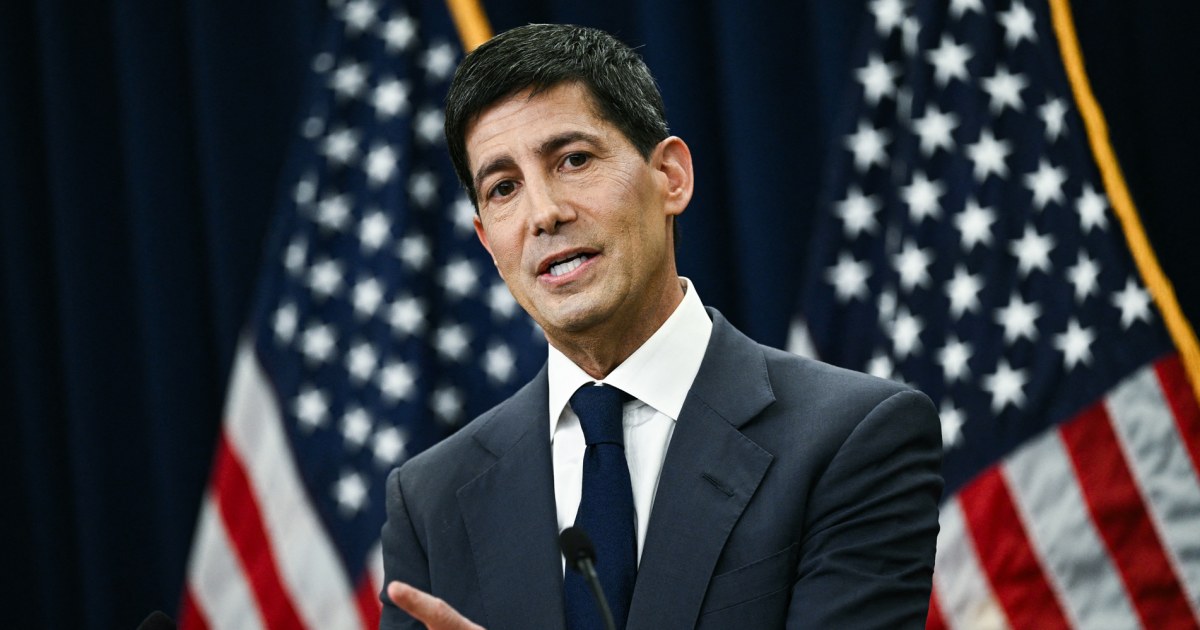
Cover image from nbcnews.com, which was analyzed for this article
The FOMC meets amid inflation pressures from tariffs and Middle East tensions, with markets watching for signals on interest rates around 3.5%.
PoliticalOS
Wednesday, July 29, 2026 — Business
The Fed is almost certain to hold rates steady this week, yet the path after September hinges on whether tariff and energy shocks keep inflation above target. Officials are already divided on how quickly to respond. Markets expect at least one hike by early next year regardless of Wednesday’s outcome.
What outlets missed
Neither outlet provided detailed household-level data on how five years of above-target inflation has affected different income groups. Both pieces omitted the precise vote tally expected from the FOMC and any internal forecasts for the September meeting. Coverage also lacked independent verification of the exact impact of the new 10-12.5 percent tariffs on core goods prices beyond general statements. The legal status of those tariffs in federal court received only passing mention despite its potential to alter supply-side inflation.
Federal Reserve Poised to Hold Rates as Inflation Deepens Strain on Households
The Federal Reserve is widely expected to leave interest rates unchanged at its policy meeting Wednesday, keeping the benchmark fed funds rate in the 3.5 to 3.75 percent range where it has sat since December. Yet the decision comes against a backdrop of persistent price pressures that have already made borrowing more expensive for millions of ordinary Americans and small businesses.
Traders assigned roughly a 64 percent chance of no change ahead of the announcement, according to CME Group data. Still, several regional Fed officials have signaled openness to tighter policy if inflation fails to cool further. Dallas Fed President Lorie Logan has called for rates to move “modestly” higher, while Cleveland Fed President Beth Hammack, Minneapolis Fed President Neel Kashkari and Governor Christopher Waller have also voiced support for additional restraint should price gains remain elevated.
Those voices point to a narrower path for Chair Kevin Warsh at the post-meeting press conference. Markets have priced in the possibility of a September hike if upcoming inflation readings stay well above the central bank’s 2 percent target, a level that has now been exceeded for more than five years.
The prolonged stretch of above-target inflation has compounded everyday costs for households already coping with higher prices for energy, groceries and housing. Dallas Fed President Logan noted earlier this month that each additional month of elevated inflation adds to the pressure on family budgets. For consumers and smaller firms that rely on financing, the current rate environment has already raised the cost of auto loans, equipment purchases and other big-ticket items, trimming demand in those sectors.
Broader risks could keep upward pressure on prices. Ongoing tariff measures and the potential for extended conflict in the Middle East threaten to lift energy and imported goods costs further. Such developments would test the Fed’s ability to balance its dual mandate while many Americans continue to feel the cumulative effects of high borrowing costs and sticky inflation.
Inside the FOMC, the range of views suggests the committee may not present a unified front. Any dissents at this meeting would underscore the challenge Warsh faces in steering policy through competing concerns over growth, employment and price stability. The labor market has so far remained relatively resilient, yet officials worry that sustained high rates could eventually weaken hiring and consumer spending if inflation does not subside.
Wednesday’s outcome is unlikely to resolve those tensions. With inflation data still running hot in key categories, the central bank appears inclined to wait for clearer signals before adjusting policy, leaving many households to navigate elevated costs in the meantime.
You just read Progressive's take. Want to read what actually happened?
More in Business & Economy

Business Activity Holds Up as Selling Prices Rise Fastest Since 2022
S&P Global PMI shows robust activity but selling prices rise at fastest pace since 2022 amid energy and supply chain costs. Halloween candy prices jump 7.7%.

Stock Futures Climb on Anthropic IPO Filing and AI Financing
Major indices rose on enthusiasm from Anthropic's IPO filing and broader AI infrastructure announcements including Meta's massive fundraising plans. Investors are betting heavily on continued AI growth despite valuation concerns.

Tariffs and AI Transition Fuel Growth and Job Worries
Trump's tariff rhetoric and AI-driven restructuring raised concerns about growth, inflation, and job impacts as markets reacted to geopolitical and tech shifts.

AI Companies Weigh Early IPOs as Risks Mount
Nasdaq fell sharply amid concerns over AI spending sustainability and data center costs; Nvidia, Meta, and others were hit as Meta and Tesla reported earnings.
The Compass
You just read five takes on one story.
What's your take? Find your political shape in a few minutes.
Take the test