
Fed Raises Rates 0.25 Points to Fight Inflation Despite Trump Pushback
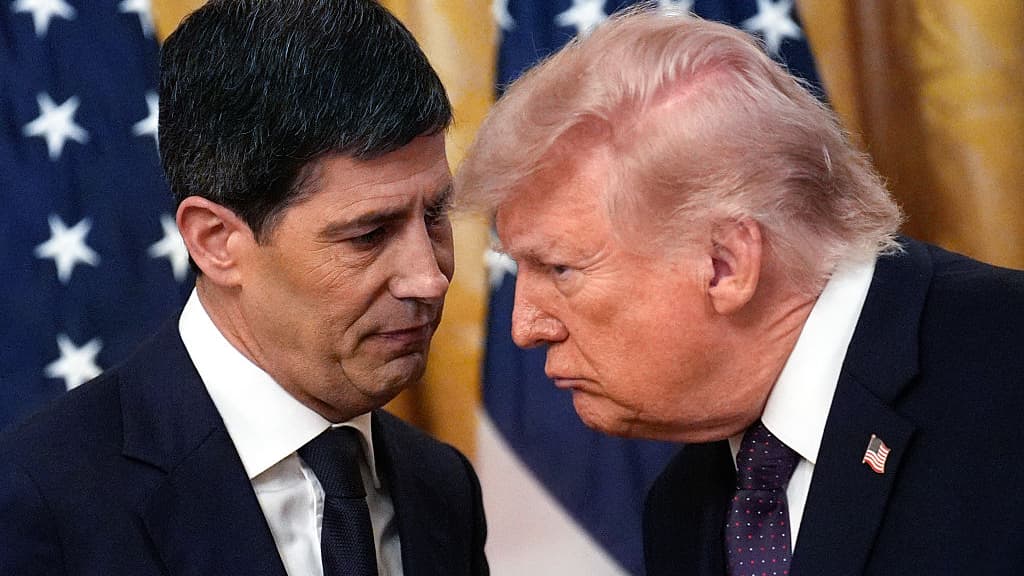
Cover image from time.com, which was analyzed for this article
The Federal Reserve hiked its benchmark rate by 0.25 points in a unanimous vote, its first since 2023, to combat inflation tied to energy shocks. President Trump publicly attacked the decision and called for cuts weeks before midterms.
PoliticalOS
Tuesday, September 15, 2026 — Business
The Federal Reserve acted unanimously to raise rates in response to inflation that has not returned to its 2 percent target, even as the president who appointed its chairman publicly opposed the move. The central tension remains how many further increases will follow and whether political pressure will test the institution’s independence before inflation eases.
What outlets missed
Most coverage omitted the Congressional Budget Office projection that the Iran conflict would add roughly 0.5 percentage points to personal consumption expenditures inflation in the first quarter of next year. Few outlets detailed the historical record of five prior election-year rate changes since 1994 occurring with similar or less lead time before voting. The specific August inflation reading of 3.4 percent and gasoline price jump to $4.43 received inconsistent mention, leaving the scale of the energy shock unquantified in several accounts. No outlet examined the full dot-plot distribution beyond the year-end expectation or the 2028-2029 rate forecasts that officials raised.
Fed Eyes Multiple Rate Hikes as Warnings Mount Over Economic Damage
A new survey of economists and market professionals shows the Federal Reserve is likely to raise interest rates at least twice over the coming year, a sharp shift from just weeks ago when fewer than half expected any move at all. The change follows a hawkish speech from Chairman Kevin Warsh in Jackson Hole and persistent spikes in oil prices tied to the closure of the Strait of Hormuz. Respondents now see inflation spreading beyond energy costs and requiring direct action from the central bank.
The CNBC poll of 29 participants found 86 percent forecasting at least one hike, with 55 percent expecting two or more. Forecasts for consumer price growth have been revised upward to around 3.5 percent for this year and 2.85 percent for 2027. Most participants believe oil prices will stay elevated for more than six months, raising the risk that higher energy costs bleed into other goods and services. Neil Dutta of Renaissance Macro Research noted there is little evidence inflation will return to target levels soon, echoing comments from Fed Governor Christopher Waller that passive waiting will not solve the problem.
Yet not everyone inside the policy debate agrees aggressive tightening is the right response. Mark Zandi, chief economist at Moody's Analytics, warned that the odds of a serious policy mistake are rising quickly. He pointed out that markets have already priced in a quarter-point increase at the Fed's upcoming meeting and further hikes beyond that. Zandi described the broader economy as stable, with steady 2 percent growth and relatively healthy conditions that do not yet justify tighter credit.
The contrast highlights a familiar pattern. When the Fed moves, ordinary households feel the effects first through higher mortgage rates, auto loans, and credit card balances. Businesses face increased borrowing costs that can slow hiring and expansion. The survey respondents acknowledge these risks but appear more focused on containing price pressures that have lingered since the conflict in the Middle East began earlier this year. Three-quarters of those polled see the inflation problem as wider than energy alone, suggesting the Fed may need to act even if fuel prices eventually ease.
Warsh has signaled he will support higher rates if inflation fails to moderate. That stance marks a departure from earlier guidance that markets had grown accustomed to, contributing to unease on Wall Street. The survey indicates many professionals now view the central bank as committed to a longer tightening cycle than previously anticipated. Still, the caution from figures like Zandi serves as a reminder that past rate campaigns have sometimes overshot, pushing unemployment higher and tipping growth into contraction.
For American families already dealing with elevated living costs, the prospect of repeated increases carries direct consequences. Higher borrowing expenses can delay home purchases, reduce discretionary spending, and add pressure on wage earners who lack the flexibility of large institutions. The data on inflation expectations shows households anticipating prices to remain above the Fed's long-term target for some time. Whether multiple rate moves will reverse that trend without broader damage remains the open question driving the current divide among forecasters.
You just read America First's take. Want to read what actually happened?
More in Business & Economy

Business Activity Holds Up as Selling Prices Rise Fastest Since 2022
S&P Global PMI shows robust activity but selling prices rise at fastest pace since 2022 amid energy and supply chain costs. Halloween candy prices jump 7.7%.

Stock Futures Climb on Anthropic IPO Filing and AI Financing
Major indices rose on enthusiasm from Anthropic's IPO filing and broader AI infrastructure announcements including Meta's massive fundraising plans. Investors are betting heavily on continued AI growth despite valuation concerns.

Tariffs and AI Transition Fuel Growth and Job Worries
Trump's tariff rhetoric and AI-driven restructuring raised concerns about growth, inflation, and job impacts as markets reacted to geopolitical and tech shifts.

AI Companies Weigh Early IPOs as Risks Mount
Nasdaq fell sharply amid concerns over AI spending sustainability and data center costs; Nvidia, Meta, and others were hit as Meta and Tesla reported earnings.
The Compass
You just read five takes on one story.
What's your take? Find your political shape in a few minutes.
Take the test