
Warsh Flags AI-Driven Inflation Risks Amid Global Tightening

Cover image from slate.com, which was analyzed for this article
Fed Chair Kevin Warsh highlighted US resilience, near-term inflation risks from AI investment, and longer-term productivity gains while avoiding rate signals.
PoliticalOS
Friday, October 16, 2026 — Business
Warsh presented AI as both a near-term inflation risk and a longer-term growth driver while refusing to guide markets on rates. The remarks align with expectations of steady policy through October and a possible final hike later. Readers should treat any single-outlet account as incomplete given the narrow sourcing available.
What outlets missed
CNBC alone supplied market pricing probabilities and the Goldman Sachs note interpreting the speech as an October pause signal. No outlet examined how the cited Iran war energy shock interacts with AI capital spending in official inflation models. The U.S. response to IMF debt warnings received only passing mention despite its direct relevance to Warsh's growth narrative. Warsh's explicit rejection of forward guidance was presented without historical comparison to prior Fed communication regimes.
Families Face Inheritance Friction in Blended Marriages Amid Rising Financial Pressures
A woman in her 50s is wrestling with how to divide her assets after death in a way that protects her daughter while addressing her current husband's concerns about balance. The couple, both in second marriages, recently reviewed their estate plans and uncovered a sticking point over her 401k worth roughly 350000 dollars. He wants it directed to him to even things out between their respective children even though he already stands to inherit her home equity and other holdings.
Her husband has two adult children set to receive about 1.5 million dollars each from his roughly 4 million dollar estate. She holds around 1.3 million dollars in assets including her home and carries a 1.5 million dollar term life insurance policy that pays out until she turns 80. Under current plans her daughter would receive 1 million dollars from the policy plus the bulk of her other assets while her husband would get 500000 dollars. She also stands to inherit his 401k valued near 1 million dollars.
The woman traces her hesitation to a childhood marked by poverty and parents who left behind debt and an unpaid mortgage. She later divorced her first husband over what she described as financial abuse and now prioritizes shielding her high school senior daughter from similar hardship. Her husband claims he does not need the additional funds but believes equal distribution would feel fairer across the blended family.
This kind of tension appears more frequently as divorce rates remain elevated and people remarry later in life. Estate lawyers note that second marriages often bring mismatched expectations about legacy and support for biological children versus stepchildren. The woman's financial anxiety stems from concrete past experience rather than abstract worry and she sees her accumulated savings as a direct buffer against the instability she endured.
Discussions like these also highlight how government policies on taxes retirement accounts and inheritance rules can complicate personal decisions. Rules around 401k rollovers and beneficiary designations sometimes favor surviving spouses in ways that sideline children from prior relationships. In this case the husband already benefits substantially from the marriage yet seeks further reallocation that would reduce what passes directly to the daughter.
Observers of family finance trends point out that such requests can strain relationships even when framed as requests for equity. The woman has not indicated she plans to agree and her history suggests she will prioritize the child who shares her direct lineage and the hardships she knows firsthand. Blended families continue to navigate these tradeoffs without clear cultural scripts for balancing old obligations with new ones.
Central banks and federal policies that influence interest rates and inflation add another layer by affecting the real value of these accumulated sums over time. When retirement accounts lose purchasing power or housing values fluctuate the stakes in estate planning rise accordingly. The couple's situation illustrates how individual choices intersect with broader economic forces that neither party fully controls.
You just read America First's take. Want to read what actually happened?
More in Business & Economy

Business Activity Holds Up as Selling Prices Rise Fastest Since 2022
S&P Global PMI shows robust activity but selling prices rise at fastest pace since 2022 amid energy and supply chain costs. Halloween candy prices jump 7.7%.

Stock Futures Climb on Anthropic IPO Filing and AI Financing
Major indices rose on enthusiasm from Anthropic's IPO filing and broader AI infrastructure announcements including Meta's massive fundraising plans. Investors are betting heavily on continued AI growth despite valuation concerns.
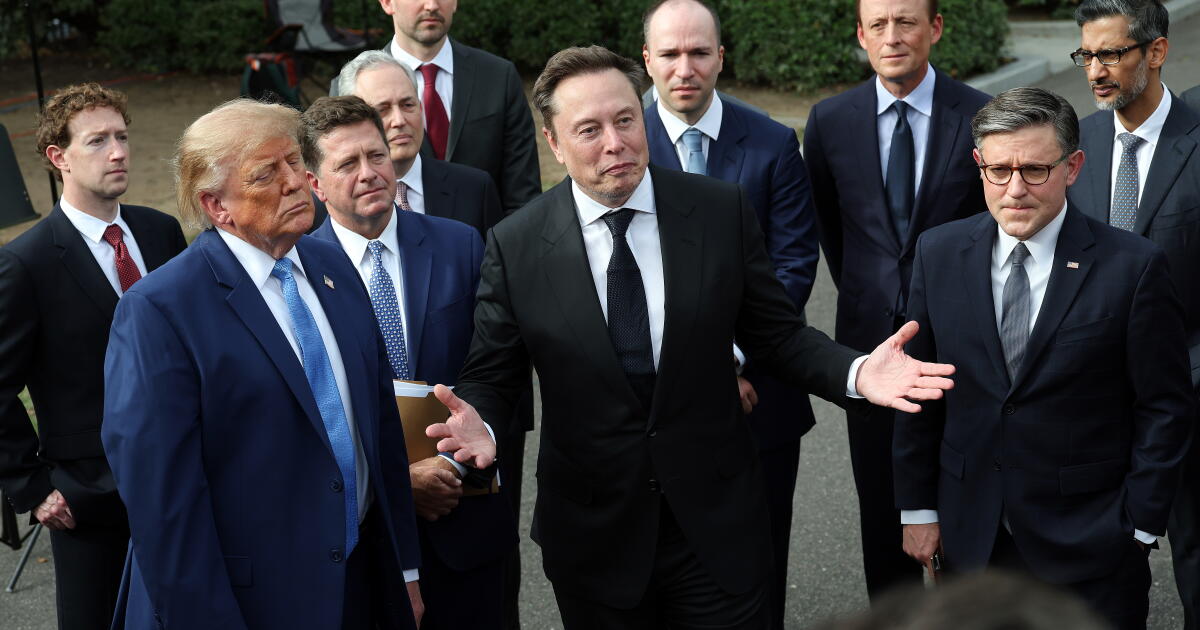
Tariffs and AI Transition Fuel Growth and Job Worries
Trump's tariff rhetoric and AI-driven restructuring raised concerns about growth, inflation, and job impacts as markets reacted to geopolitical and tech shifts.

AI Companies Weigh Early IPOs as Risks Mount
Nasdaq fell sharply amid concerns over AI spending sustainability and data center costs; Nvidia, Meta, and others were hit as Meta and Tesla reported earnings.
The Compass
You just read five takes on one story.
What's your take? Find your political shape in a few minutes.
Take the test