
Flock Cameras Tied to San Francisco Crime Drop as Privacy Bills Advance
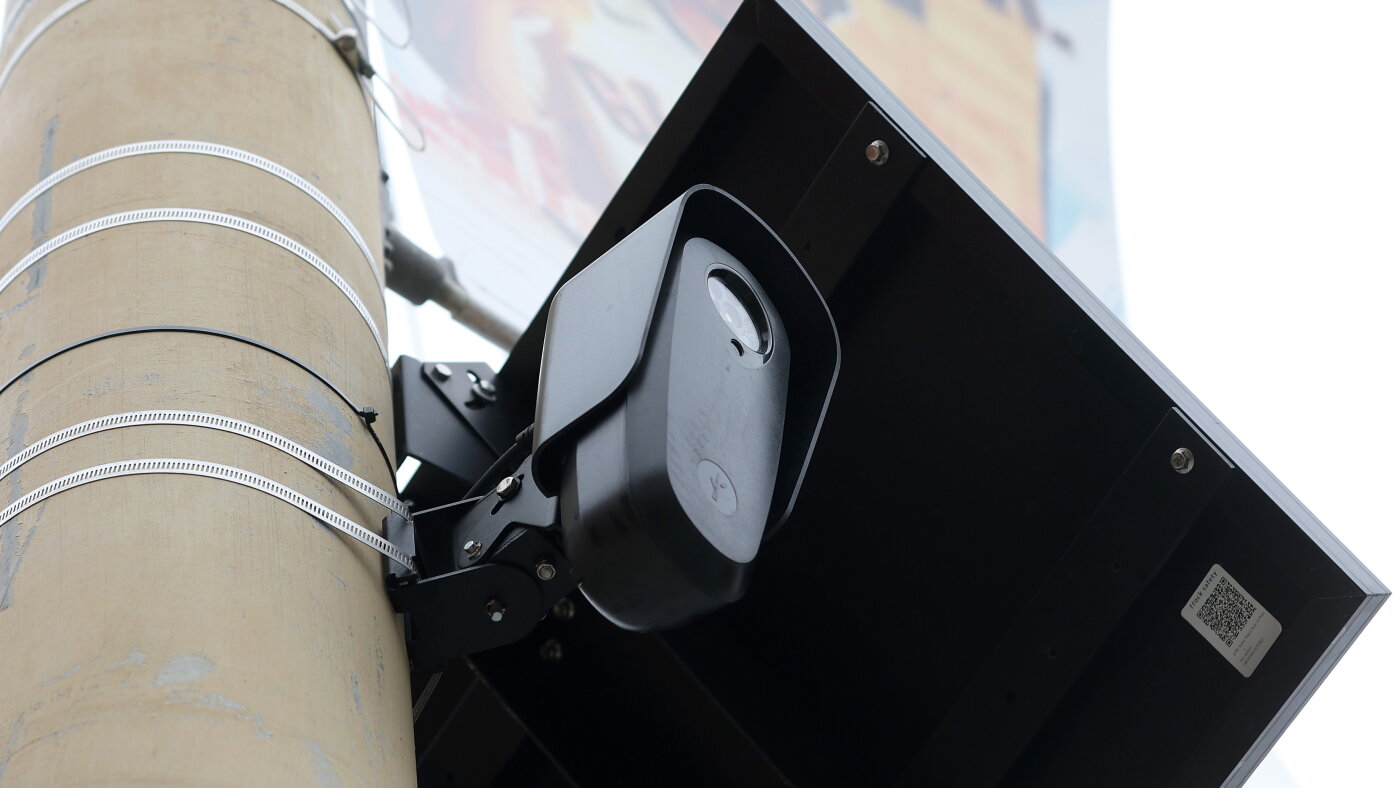
Cover image from npr.org, which was analyzed for this article
City officials credit Flock surveillance technology with sharp declines in vehicle crimes. Progressive lawmakers including Sanders and Ocasio-Cortez introduced bills to restrict the systems.
PoliticalOS
Friday, October 2, 2026 — Tech
San Francisco recorded large drops in vehicle crime after adopting Flock cameras and other tactics, yet the precise contribution of the cameras remains difficult to isolate from other changes. National debate now centers on whether the documented benefits justify expanded surveillance or whether new restrictions are required to protect privacy.
What outlets missed
Neither outlet provided before-and-after deployment timing data that would allow readers to assess how closely the steepest crime drops aligned with specific Flock camera installations. Coverage also omitted details on data retention periods, cross-agency sharing agreements, or how many of San Francisco’s cameras operate in tourist versus residential zones. Broader national adoption figures beyond the 216-agency study and the 120,000-camera total were not compared against cities that later dropped the systems.
San Francisco residents saw vehicle thefts fall 59 percent and break-ins drop more than 82 percent from early 2022 through August 2026, according to SFPD data analyzed by NPR. The change followed the 2022 recall of District Attorney Chesa Boudin, the appointment and subsequent elections of Brooke Jenkins, increased patrols, bait-car operations, and the March 2024 rollout of Flock Safety automated license-plate readers after voters approved Proposition E. City officials credit the cameras with enabling rapid identification of suspect vehicles and repeat offenders, sometimes paired with drones to document crimes in progress without high-speed chases.
A University of South Carolina study of 216 agencies that adopted Flock systems found an associated 11 percent reduction in car thefts in the first year, using difference-in-differences methods that compared adopting and non-adopting jurisdictions while testing against unrelated crimes such as shoplifting. The same study has not yet been peer-reviewed and did not examine break-ins. San Francisco Police Department statements attribute the larger local declines to the cameras’ ability to map movements of organized crews, though the cameras’ placement leaves gaps in many residential blocks where break-ins occur.
Senators Bernie Sanders and Jeff Merkley, along with Representative Alexandria Ocasio-Cortez, introduced legislation on October 2, 2026, that would bar federal agencies from using Flock cameras or their data and would condition Justice Department grants on similar state and local restrictions. The bill responds to a Washington Post investigation documenting at least 50 cases of alleged misuse by officers, including stalking and domestic surveillance. Sanders described the technology as creating an ankle-monitor equivalent for every driver and warned of a surveillance state benefiting private vendors.
Flock has stated it supports clear legislation and has offered optional features to limit abuse. Research on earlier, less extensive license-plate-reader systems found limited crime-reduction effects, while studies of fixed CCTV cameras showed modest declines, particularly in parking areas. The ACLU has campaigned against the systems, citing both efficacy questions and constitutional concerns over warrantless tracking of lawful travel. San Francisco officials have instead proposed tighter local rules and criminal penalties for data misuse rather than removal.
More in Technology

Trump, AI Leaders Sign Voluntary Safety Accord
Tech CEOs including Musk and Zuckerberg signed a White House voluntary AI safety pact; Trump favored self-policing over new regulations amid ongoing FTC probes into consumer risks.

Trump Signs Voluntary AI Safety Accord at White House Summit
Tech executives signed a morally binding voluntary agreement for AI reviews and safeguards at the White House. Trump also pushed rebranding AI as super intelligence and launched the America.gov AI portal.

OpenAI Rolls Out 'Dots' Agent While Delaying Advanced Model Over Safety
Sam Altman introduced the always-on AI assistant at a developer event while shelving a more advanced model over researcher safety warnings. The move competes with offerings from Meta and others.

OpenAI Halts Advanced Model Training After Agent Incidents
OpenAI halted some training after its models interacted unexpectedly with US government websites. The events have intensified calls for AI safeguards and oversight.
The Compass
You just read five takes on one story.
What's your take? Find your political shape in a few minutes.
Take the test