
Flock Cameras Tied to San Francisco Crime Drop as Privacy Bills Advance
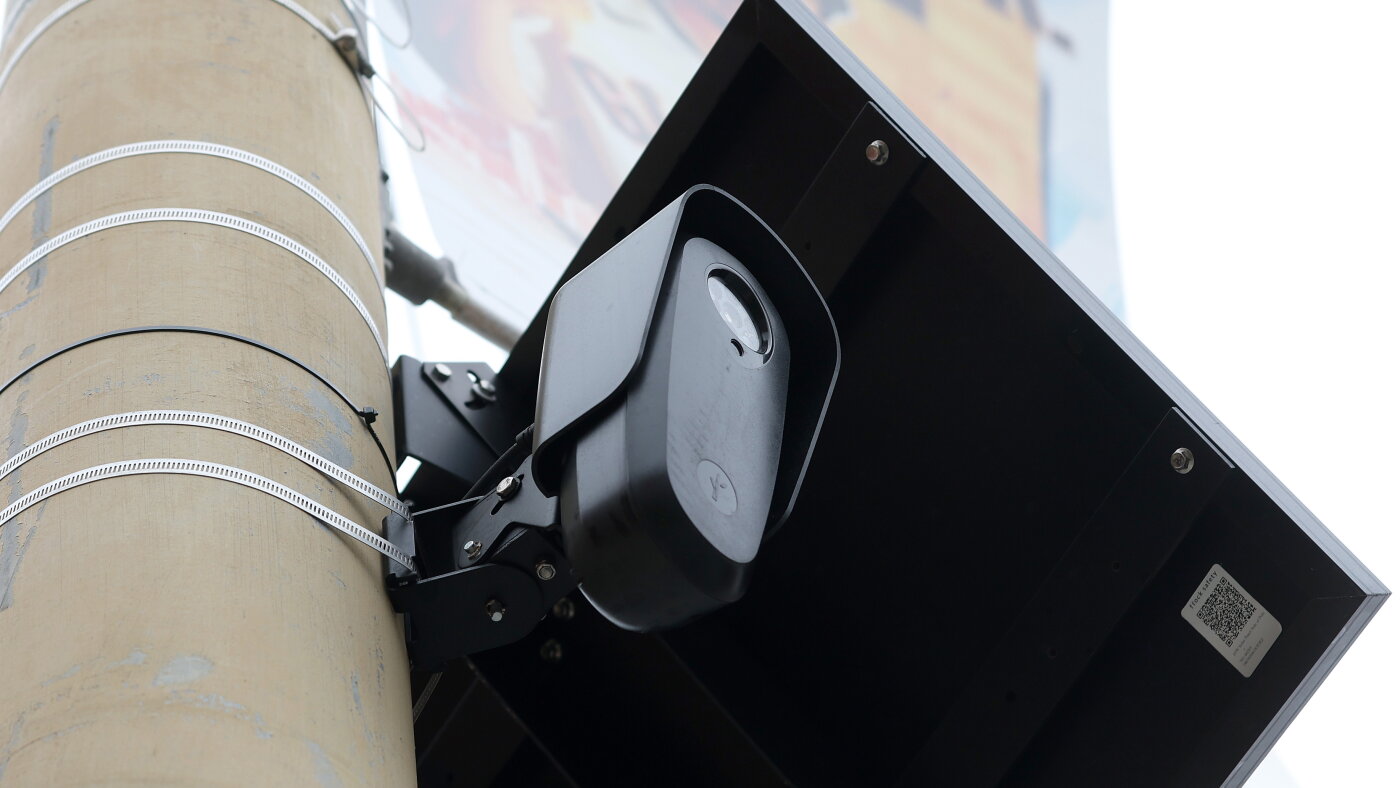
Cover image from npr.org, which was analyzed for this article
City officials credit Flock surveillance technology with sharp declines in vehicle crimes. Progressive lawmakers including Sanders and Ocasio-Cortez introduced bills to restrict the systems.
PoliticalOS
Friday, October 2, 2026 — Tech
San Francisco recorded large drops in vehicle crime after adopting Flock cameras and other tactics, yet the precise contribution of the cameras remains difficult to isolate from other changes. National debate now centers on whether the documented benefits justify expanded surveillance or whether new restrictions are required to protect privacy.
What outlets missed
Neither outlet provided before-and-after deployment timing data that would allow readers to assess how closely the steepest crime drops aligned with specific Flock camera installations. Coverage also omitted details on data retention periods, cross-agency sharing agreements, or how many of San Francisco’s cameras operate in tourist versus residential zones. Broader national adoption figures beyond the 216-agency study and the 120,000-camera total were not compared against cities that later dropped the systems.
San Francisco Car Crime Plunges With Surveillance Tools in Place
San Francisco has recorded sharp declines in car thefts and break-ins over the past four years, with thefts falling nearly 59 percent and break-ins dropping more than 82 percent from early 2022 levels through August 2026. Police data analyzed by local officials point to expanded use of automated license plate readers, including systems from Flock Safety, as a key factor in the turnaround.
The city had faced some of the nation's highest rates of vehicle crime just a few years ago. Officers now credit the cameras with enabling faster identification of suspects and recovery of stolen vehicles. The technology scans plates in real time and matches them against databases of wanted cars or persons, allowing targeted responses rather than broad patrols.
Federal lawmakers have responded with legislation aimed at limiting the same tools. Senators Bernie Sanders and Jeff Merkley along with Representative Alexandria Ocasio-Cortez introduced a bill that would bar federal agencies from using Flock cameras or their data. The measure would also tie grant funding for state and local police to adoption of similar restrictions. Proponents argue the cameras create an overly broad surveillance network and cite cases where officers misused access for personal reasons.
Empirical results in San Francisco suggest the cameras have contributed to measurable public safety gains. Vehicle-related offenses dropped steadily after the city increased deployment of the readers starting in 2023. Law enforcement leaders there maintain that the data trails help close cases that would otherwise remain unsolved, reducing both the direct costs of theft and the secondary burdens on insurance and victims.
Critics of the proposed restrictions note that past expansions of policing technology, from basic fingerprinting to modern databases, have routinely improved clearance rates without requiring blanket federal prohibitions. The San Francisco experience aligns with patterns seen in other cities that adopted similar readers and later reported fewer unsolved vehicle crimes. Data from the period before wider camera use showed persistent high theft volumes despite repeated policy efforts focused on social programs and reduced enforcement.
The bill's backers highlight documented instances of officer misconduct involving license plate systems nationwide. At least 50 such cases have surfaced in recent reviews. Supporters of the cameras counter that internal audits and access logs already exist in many departments to flag improper queries, and that removing the tools entirely would punish effective tactics rather than address individual violations through discipline or prosecution.
Thomas Sowell has long emphasized that policy success should be judged by observable outcomes rather than intentions or abstract concerns. The San Francisco numbers provide one such test case. Theft and break-in reductions coincided with the rollout of the readers and occurred alongside other targeted enforcement steps. Whether similar drops would have happened without the technology remains an open empirical question, but the timing and scale of the decline stand in contrast to earlier periods when vehicle crime stayed elevated.
Local officials continue to defend the system as a practical response to concentrated property offenses that had strained city resources. Federal efforts to restrict access through funding conditions would shift decisions away from jurisdictions that have seen direct results. The contrast between the city's recorded crime drop and the push for nationwide limits illustrates differing priorities over how to weigh enforcement tools against potential overreach.
You just read Conservative's take. Want to read what actually happened?
More in Technology

Democratic Wins Heighten Scrutiny of Data Center Expansion
Newly empowered Democrats signaled opposition to rapid AI data center growth on public lands and elsewhere. This contributed to market pressure on chipmakers and infrastructure firms.
Nvidia Faces Added Scrutiny on AI Shipments After Midterms
Nvidia faces increased monitoring of accelerator shipments amid smuggling concerns to China. Broader regulatory uncertainty from the election weighed on the sector.

Google Ties Search Access to AI Opt-In for K-12 Schools
Google will turn its AI tools off by default for K-12 students starting in 2027 and will restrict Search access for schools that fully block AI. The policy reflects deeper integration of AI into core products. Right-leaning New York Post and tech coverage noted the changes.

FBI Ties $6.3 Billion Binance Hack to North Korea; Pyongyang Fires Missiles
The FBI linked the theft of over $6 billion in cryptocurrency from Binance to North Korea's Lazarus Group, citing social engineering. Laundering the funds is expected to take months. Engadget, New York Post, and other outlets reported on the investigation.
The Compass
You just read five takes on one story.
What's your take? Find your political shape in a few minutes.
Take the test