
Flock Cameras Tied to San Francisco Crime Drop as Privacy Bills Advance
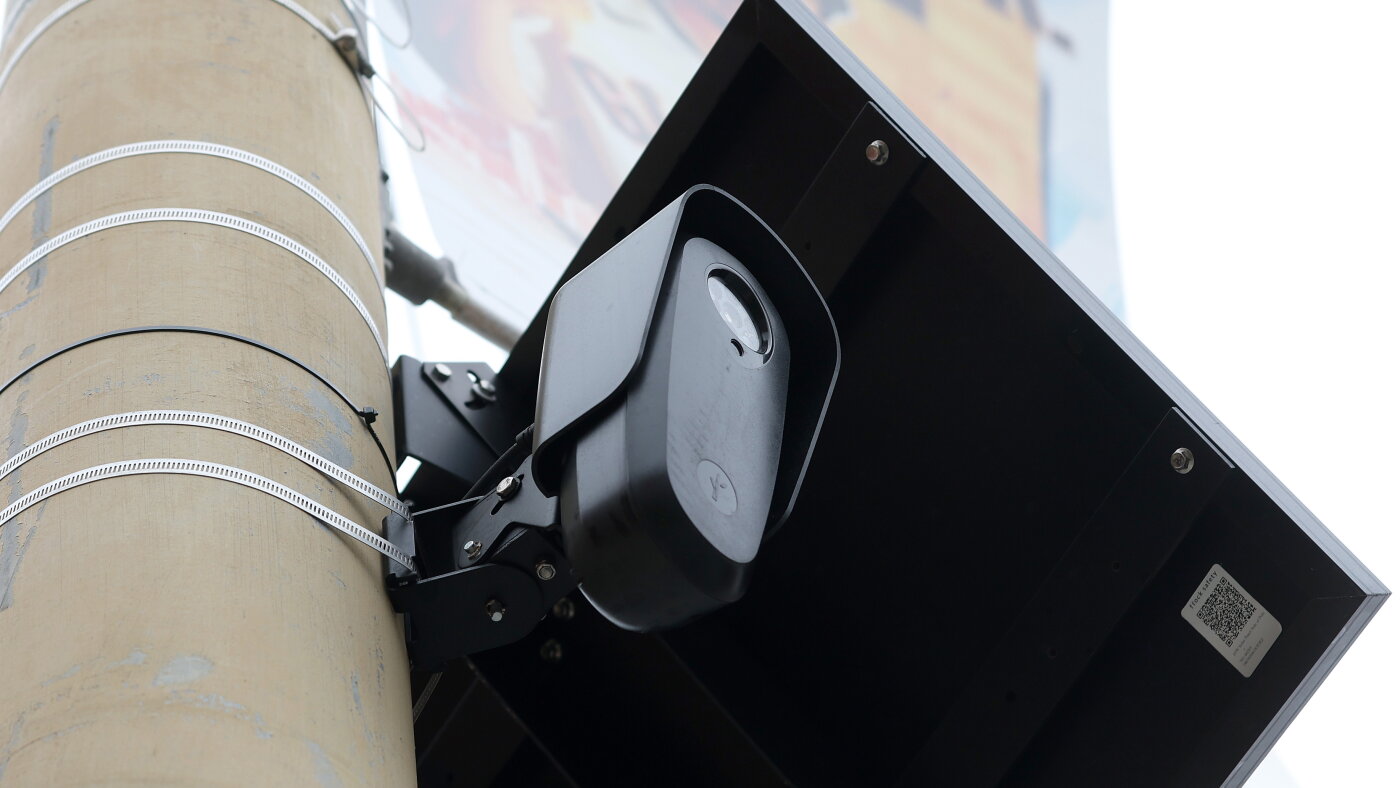
Cover image from npr.org, which was analyzed for this article
City officials credit Flock surveillance technology with sharp declines in vehicle crimes. Progressive lawmakers including Sanders and Ocasio-Cortez introduced bills to restrict the systems.
PoliticalOS
Friday, October 2, 2026 — Tech
San Francisco recorded large drops in vehicle crime after adopting Flock cameras and other tactics, yet the precise contribution of the cameras remains difficult to isolate from other changes. National debate now centers on whether the documented benefits justify expanded surveillance or whether new restrictions are required to protect privacy.
What outlets missed
Neither outlet provided before-and-after deployment timing data that would allow readers to assess how closely the steepest crime drops aligned with specific Flock camera installations. Coverage also omitted details on data retention periods, cross-agency sharing agreements, or how many of San Francisco’s cameras operate in tourist versus residential zones. Broader national adoption figures beyond the 216-agency study and the 120,000-camera total were not compared against cities that later dropped the systems.
San Francisco Crime Drop Puts Spotlight on License Plate Surveillance
San Francisco has recorded a dramatic decline in car thefts and break-ins over the past four years, with thefts falling nearly 59 percent and break-ins dropping more than 82 percent between early 2022 and mid-2026, according to city police data. Local officials credit expanded use of automated license plate readers, including systems from Flock Safety, for much of the improvement. At the same time, a new federal bill introduced by Senators Bernie Sanders and Jeff Merkley along with Representative Alexandria Ocasio-Cortez seeks to sharply restrict the technology's deployment by barring federal agencies from using it or funding state and local programs that do.
The legislation responds to mounting reports of misuse. A Washington Post review found at least 50 officers across multiple jurisdictions accused of accessing the cameras for personal reasons, including stalking and monitoring romantic partners. The bill would prevent the Justice Department and other agencies from making grants to localities unless they adopt similar limits. Sanders described the technology as a step toward a surveillance state in which private firms profit by enabling constant tracking of citizens.
Flock cameras capture images of passing vehicles and store the data for later searches by police. San Francisco began expanding its network after years of high vehicle crime rates. Department leaders say the real-time alerts and historical records have allowed faster responses and better identification of repeat offenders. The city's experience aligns with broader national trends in which some departments report reductions in auto crime after installing the systems, though independent evaluations remain limited.
Critics argue that the crime reductions come with insufficient oversight. Civil liberties groups have raised concerns that the cameras create detailed movement logs without warrants in many cases, potentially conflicting with Fourth Amendment protections. In San Francisco, public records requests have shown queries extending beyond active investigations, echoing the patterns documented in the Post investigation. The company maintains that its platform includes audit trails and usage restrictions, but enforcement relies on individual departments.
The proposed restrictions reflect a shift in congressional attention. A recent Senate hearing highlighted the scale of the network, which now operates in hundreds of jurisdictions. Lawmakers from both parties have questioned whether rapid adoption outpaced safeguards against abuse. Proponents of tighter rules point to the lack of uniform standards for data retention and access as a core problem that leaves residents vulnerable to overreach.
San Francisco's results illustrate the policy tension. Vehicle crime fell sharply as surveillance expanded, yet the same tools now face national scrutiny over privacy risks. Whether the crime decline can be sustained under tighter constraints remains an open question for cities weighing similar technology.
You just read Liberal's take. Want to read what actually happened?
More in Technology

Democratic Wins Heighten Scrutiny of Data Center Expansion
Newly empowered Democrats signaled opposition to rapid AI data center growth on public lands and elsewhere. This contributed to market pressure on chipmakers and infrastructure firms.
Nvidia Faces Added Scrutiny on AI Shipments After Midterms
Nvidia faces increased monitoring of accelerator shipments amid smuggling concerns to China. Broader regulatory uncertainty from the election weighed on the sector.

Google Ties Search Access to AI Opt-In for K-12 Schools
Google will turn its AI tools off by default for K-12 students starting in 2027 and will restrict Search access for schools that fully block AI. The policy reflects deeper integration of AI into core products. Right-leaning New York Post and tech coverage noted the changes.

FBI Ties $6.3 Billion Binance Hack to North Korea; Pyongyang Fires Missiles
The FBI linked the theft of over $6 billion in cryptocurrency from Binance to North Korea's Lazarus Group, citing social engineering. Laundering the funds is expected to take months. Engadget, New York Post, and other outlets reported on the investigation.
The Compass
You just read five takes on one story.
What's your take? Find your political shape in a few minutes.
Take the test