
Flock Cameras Tied to San Francisco Crime Drop as Privacy Bills Advance
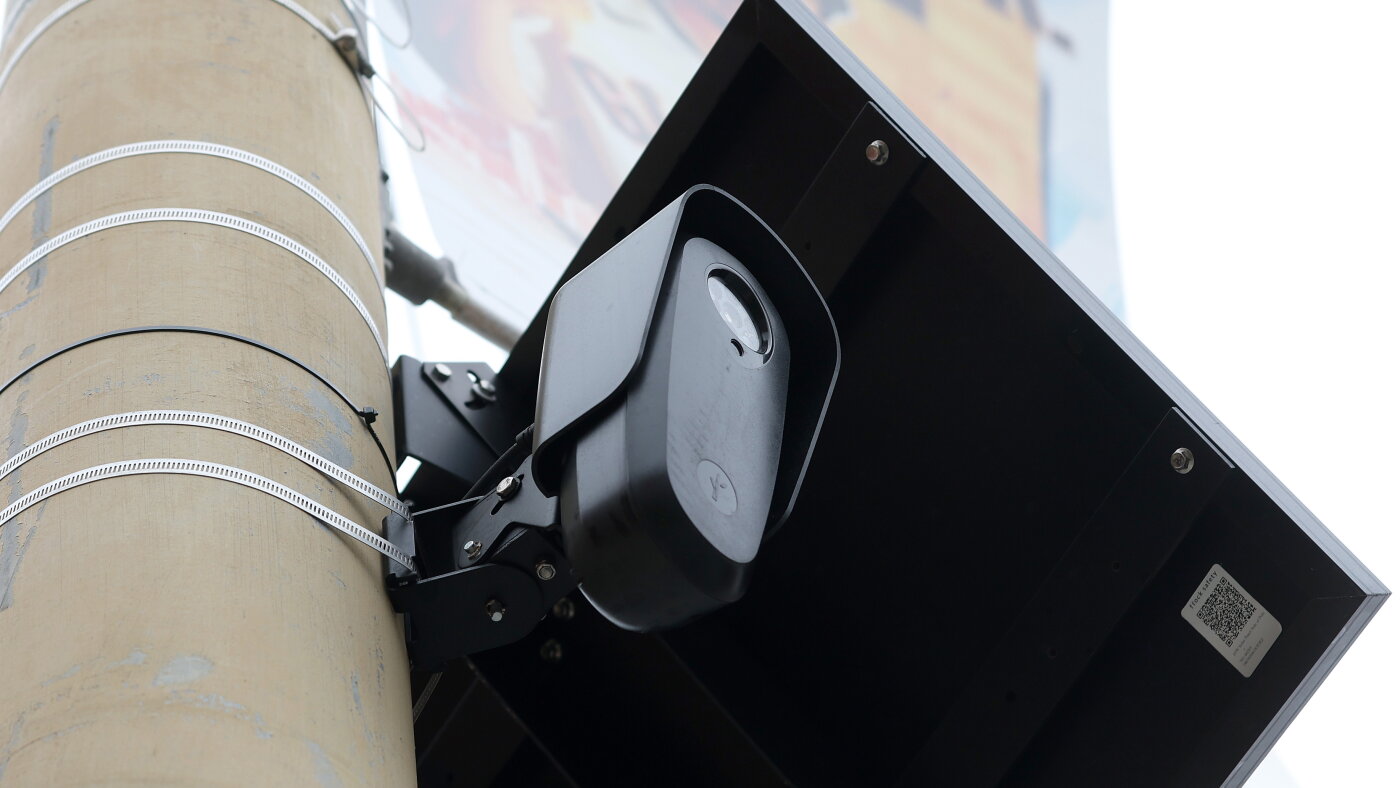
Cover image from npr.org, which was analyzed for this article
City officials credit Flock surveillance technology with sharp declines in vehicle crimes. Progressive lawmakers including Sanders and Ocasio-Cortez introduced bills to restrict the systems.
PoliticalOS
Friday, October 2, 2026 — Tech
San Francisco recorded large drops in vehicle crime after adopting Flock cameras and other tactics, yet the precise contribution of the cameras remains difficult to isolate from other changes. National debate now centers on whether the documented benefits justify expanded surveillance or whether new restrictions are required to protect privacy.
What outlets missed
Neither outlet provided before-and-after deployment timing data that would allow readers to assess how closely the steepest crime drops aligned with specific Flock camera installations. Coverage also omitted details on data retention periods, cross-agency sharing agreements, or how many of San Francisco’s cameras operate in tourist versus residential zones. Broader national adoption figures beyond the 216-agency study and the 120,000-camera total were not compared against cities that later dropped the systems.
As San Francisco Crime Rates Tumble Flock Cameras Draw Fresh Scrutiny From Lawmakers
San Francisco has recorded a sharp decline in car thefts and break-ins over the past four years, yet the role of controversial surveillance technology in that drop is now facing renewed challenge on Capitol Hill. Car thefts fell nearly 59 percent and break-ins dropped more than 82 percent between early 2022 and the same period in 2026, according to city police data. Local officials credit greater use of automated license plate readers, including systems sold by Flock Safety, for helping investigators track stolen vehicles and deter thieves.
That narrative, however, collides with growing evidence of widespread misuse and a new bill from progressive lawmakers that would sharply limit the technology's reach. Senators Bernie Sanders and Jeff Merkley, along with Representative Alexandria Ocasio-Cortez, introduced legislation this week that would bar federal agencies from using Flock cameras or accessing their data. The measure would also withhold Justice Department grants from states and cities that refuse to adopt similar restrictions. Sanders described the cameras as part of a broader push toward a surveillance state where private firms profit by selling the government tools to monitor citizens' movements in real time.
The concerns are not abstract. A recent investigation documented at least 50 cases in which law enforcement officers were accused or charged with abusing license plate reader systems, including stalking romantic partners and conducting unauthorized surveillance on spouses and ex-partners. Critics argue these incidents reveal weak oversight and minimal accountability when agencies gain access to vast troves of location data collected without individualized warrants.
Flock's defenders in San Francisco point to operational successes, such as quicker recoveries of stolen vehicles and arrests tied to plate matches. Yet independent analysis of the crime drop shows multiple factors at work, including changes in vehicle anti-theft technology, shifts in criminal patterns after the pandemic, and targeted policing efforts that predate the expanded camera network. Attributing the bulk of the improvement to one company's product remains difficult to substantiate.
The technology itself raises deeper constitutional questions. License plate readers capture images of every passing vehicle, storing time-stamped location records that can later be searched without probable cause. Civil liberties groups contend this creates a permanent dragnet that chills free movement and disproportionately affects communities already over-policed. Flock has marketed its system to hundreds of agencies nationwide, often with minimal public debate or data retention limits.
Sanders and his colleagues frame their bill as a preemptive check on that expansion. By conditioning federal funding on privacy protections, the proposal seeks to slow the normalization of mass surveillance before it becomes irreversible. Whether the legislation advances remains uncertain, but the introduction alone signals that the political cost of unchecked camera networks is rising.
San Francisco's experience offers a test case. While residents welcome fewer smashed windows and stolen cars, the methods used to achieve those gains carry long-term risks that extend far beyond any single city's streets. The tension between short-term crime reduction and enduring privacy erosion now sits squarely before Congress.
You just read Progressive's take. Want to read what actually happened?
More in Technology

Democratic Wins Heighten Scrutiny of Data Center Expansion
Newly empowered Democrats signaled opposition to rapid AI data center growth on public lands and elsewhere. This contributed to market pressure on chipmakers and infrastructure firms.
Nvidia Faces Added Scrutiny on AI Shipments After Midterms
Nvidia faces increased monitoring of accelerator shipments amid smuggling concerns to China. Broader regulatory uncertainty from the election weighed on the sector.

Google Ties Search Access to AI Opt-In for K-12 Schools
Google will turn its AI tools off by default for K-12 students starting in 2027 and will restrict Search access for schools that fully block AI. The policy reflects deeper integration of AI into core products. Right-leaning New York Post and tech coverage noted the changes.

FBI Ties $6.3 Billion Binance Hack to North Korea; Pyongyang Fires Missiles
The FBI linked the theft of over $6 billion in cryptocurrency from Binance to North Korea's Lazarus Group, citing social engineering. Laundering the funds is expected to take months. Engadget, New York Post, and other outlets reported on the investigation.
The Compass
You just read five takes on one story.
What's your take? Find your political shape in a few minutes.
Take the test