
Gig Drivers Cut Shifts as Gas Prices Surge 30% on Middle East Conflict
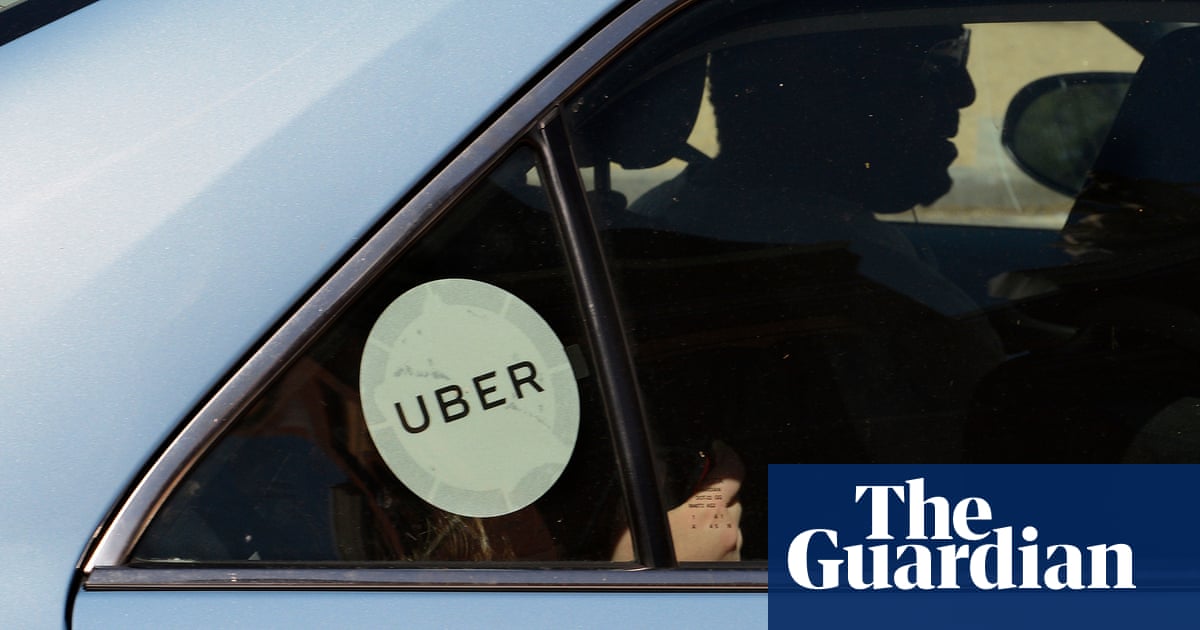
Cover image from theguardian.com, which was analyzed for this article
Uber and Lyft drivers are reeling from skyrocketing gas prices, many opting not to work to conserve fuel. Broader consumer prices are climbing, with warnings of worse inflation unless Congress acts. Disruptions from Middle East conflicts threaten further economic pressure.
PoliticalOS
Sunday, April 19, 2026 — Business
Fuel prices have jumped more than 30 percent and fertilizer costs 50 percent because of Middle East conflict disruptions, hitting gig drivers who pay for gas themselves especially hard while signaling higher costs for food, electricity and transport ahead. Company discount programs and modest fare increases provide partial buffers that many drivers still find inadequate, and policymakers are debating fuel-tax relief against its impact on infrastructure funding. The single most important reality is that global oil dependence continues to transmit geopolitical shocks directly into American household budgets; stabilization depends on the ceasefire holding and longer-term energy diversification.
What outlets missed
Both outlets underplayed the partial offset from recent fare increases, which have risen about 9.6 percent according to Gridwise data, even as drivers receive only 25-30 percent of those fares. The Guardian omitted any mention of the Highway Trust Fund's projected 2027-2028 solvency risks if the federal fuel tax is suspended, while the Examiner did not quantify uptake rates or practical value of the debit-card discounts that can reach $1.44 per gallon for top-tier drivers. Neither explored EIA projections for price moderation once Hormuz shipping fully resumes, nor examined impacts on other gig workers beyond Uber and Lyft such as DoorDash or Instacart drivers referenced in CNN coverage. The temporary nature of the price peak tied to the April 17 ceasefire received minimal attention, leaving readers without a clear timeline for potential relief.
Rising Fuel Costs Expose Vulnerabilities in the Gig Economy
John Mejia has driven for Uber and Lyft in the San Francisco Bay Area for more than a decade. A few weeks ago, filling his hybrid vehicle cost him $36. Now the same tank runs $60. To avoid losing money on every mile, he has changed his entire approach to work. Instead of chasing rides around the region after dropping off passengers at San Francisco International Airport, he waits in the staging lot. “I don’t want to waste the gas, because I can’t afford it,” he said.
Mejia is not alone. Across the country, ride-hailing drivers report spending hundreds of dollars more each month on fuel after oil prices spiked during the recent US-Israel war on Iran. The conflict disrupted shipping through the Strait of Hormuz, which carries roughly one-fifth of global oil supply. Even after a fragile ceasefire and the reopening of the strait, average national gasoline prices have climbed from $2.98 a gallon at the end of February to more than $4. The increase has turned what was already a precarious occupation into an even more difficult way to earn a living.
Ride-hailing companies classify their drivers as independent contractors. That designation means workers shoulder the full cost of their vehicles, insurance, maintenance and now sharply higher fuel bills. Prisell Polanco, who has driven for Uber and Lyft in the Boston area for eight years, said his fuel expenses alone have risen by about $300 a month with no corresponding increase in the rates he is paid per trip. “Every year we get paid less and less money for the same ride,” he said. “That forces you to work even harder just to stay even.”
In response, both Uber and Lyft have expanded rewards programs and discounts tied to their financial services products. Drivers describe the offers as inadequate and somewhat insulting. The assistance does not change the underlying math: higher fuel costs come directly out of what the apps pay them. Many drivers are responding by working longer hours to make up the difference or by cutting back on miles driven, which reduces their income further. Some, like Mejia, have taken second jobs to offset the shortfall.
The pain extends beyond individual drivers. The same forces pushing up gasoline prices are rippling through the broader economy. Fertilizer prices have jumped as much as 50 percent ahead of planting season. Farmers facing those costs may plant fewer acres or apply less fertilizer, which eventually translates into tighter supplies and higher grocery bills later this year. Natural gas, which generates about 43 percent of American electricity, is also under pressure. Families could soon see those costs appear in higher utility bills. Shortages of other inputs used in plastics, electronics and manufacturing are raising production expenses that will ultimately reach consumers.
These layered effects illustrate a larger pattern. When global energy markets are disrupted, the pain lands first and hardest on those with the least buffer. Gig workers, many of whom operate at the margin even in stable times, have almost no ability to pass along higher costs. Unlike traditional employees, they receive no mileage reimbursement, no fuel subsidy and no guaranteed hourly wage. The companies that built their businesses on this model have been slow to adjust compensation meaningfully when external shocks occur.
The situation has renewed calls for policy intervention. One immediate step under discussion in Congress is a temporary suspension of the federal fuel tax. Such a move would provide direct relief at the pump without requiring new bureaucratic infrastructure. Proponents argue it would prevent a bad situation from becoming a broader drag on consumer spending and economic growth. Yet even advocates of tax relief acknowledge it is a short-term patch. It does not address the structural weaknesses in how gig labor is organized or the country’s long-term exposure to volatile global energy markets.
The drivers interviewed for this article expressed skepticism that meaningful change is coming soon. They have watched pay rates stagnate or decline for years while vehicle and fuel costs climb. Many now treat driving as one of several income streams rather than a primary job. That fragmentation makes collective action difficult and leaves workers exposed when crises hit.
The fragile nature of the Iran ceasefire adds another layer of uncertainty. Any renewed disruption in the Strait of Hormuz or renewed sanctions could send prices higher still. Energy analysts warn that the full economic impact of recent events has not yet fully worked its way through supply chains. Transportation costs for everything from food delivery to air travel could rise in the coming months.
This moment reveals something fundamental about the modern economy. Technological platforms have made it easier than ever to connect drivers with passengers, but they have also shifted risk onto those least able to bear it. When oil prices spike because of conflict halfway around the world, it is not the app executives or shareholders who decide whether to drive an extra shift or skip a meal. It is workers like Mejia and Polanco.
Policymakers face a choice. They can treat these price shocks as isolated events and offer limited, temporary relief. Or they can begin grappling with the deeper questions the gig economy raises about worker classification, access to benefits and the need for more resilient energy and agricultural systems. The drivers feeling the pinch today cannot wait indefinitely for those larger conversations. Their costs are due at the next fill-up.
You just read Liberal's take. Want to read what actually happened?
More in Business & Economy

AI Companies Weigh Early IPOs as Risks Mount
Nasdaq fell sharply amid concerns over AI spending sustainability and data center costs; Nvidia, Meta, and others were hit as Meta and Tesla reported earnings.

Stocks Rise on Earnings as Home Sales Hit Low
Major indices closed mixed to higher, led by healthcare and defensive stocks, as companies like Eli Lilly and UnitedHealth reported strong results. Pending home sales hit record lows.

US Stocks Mixed as Tech Rebounds on AI Optimism
The Dow slipped slightly while the S&P 500 and Nasdaq rose, led by Nvidia, AMD, and Intel gains on renewed AI sector confidence after prior drops. Broader market volatility tied to earnings and data center demand.

Trump Unveils $8 Billion Diesel Relief for Farmers
The Agriculture Department launched the program to offset record diesel prices for farmers, framed as economic aid and a midterm pitch in Kansas amid ongoing inflation and energy cost pressures.
The Compass
You just read five takes on one story.
What's your take? Find your political shape in a few minutes.
Take the test