
Gig Drivers Cut Shifts as Gas Prices Surge 30% on Middle East Conflict
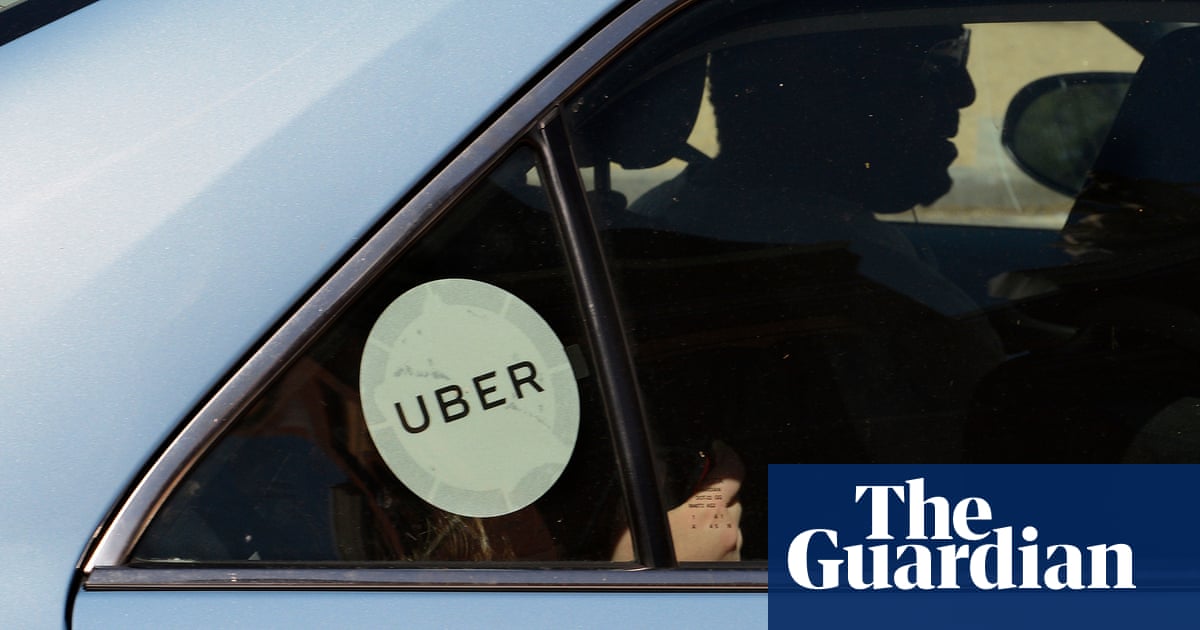
Cover image from theguardian.com, which was analyzed for this article
Uber and Lyft drivers are reeling from skyrocketing gas prices, many opting not to work to conserve fuel. Broader consumer prices are climbing, with warnings of worse inflation unless Congress acts. Disruptions from Middle East conflicts threaten further economic pressure.
PoliticalOS
Sunday, April 19, 2026 — Business
Fuel prices have jumped more than 30 percent and fertilizer costs 50 percent because of Middle East conflict disruptions, hitting gig drivers who pay for gas themselves especially hard while signaling higher costs for food, electricity and transport ahead. Company discount programs and modest fare increases provide partial buffers that many drivers still find inadequate, and policymakers are debating fuel-tax relief against its impact on infrastructure funding. The single most important reality is that global oil dependence continues to transmit geopolitical shocks directly into American household budgets; stabilization depends on the ceasefire holding and longer-term energy diversification.
What outlets missed
Both outlets underplayed the partial offset from recent fare increases, which have risen about 9.6 percent according to Gridwise data, even as drivers receive only 25-30 percent of those fares. The Guardian omitted any mention of the Highway Trust Fund's projected 2027-2028 solvency risks if the federal fuel tax is suspended, while the Examiner did not quantify uptake rates or practical value of the debit-card discounts that can reach $1.44 per gallon for top-tier drivers. Neither explored EIA projections for price moderation once Hormuz shipping fully resumes, nor examined impacts on other gig workers beyond Uber and Lyft such as DoorDash or Instacart drivers referenced in CNN coverage. The temporary nature of the price peak tied to the April 17 ceasefire received minimal attention, leaving readers without a clear timeline for potential relief.
Uber Lyft drivers pay the price as war fuels record gas costs
Gig workers for Uber and Lyft are absorbing the heaviest blows from the sharp rise in fuel prices triggered by the US-Israel war on Iran, with many reporting hundreds of extra dollars in monthly expenses that the companies have done little to offset. As oil prices spiked after the conflict disrupted the Strait of Hormuz, which carries one-fifth of global supply, average U.S. gasoline costs jumped from $2.98 a gallon at the end of February to more than $4. Drivers classified as independent contractors must cover their own fuel, vehicle maintenance and insurance, turning what should be earnings into a direct hit to their bottom line.
John Mejia, who has driven for both Lyft and Uber in Oakland for more than ten years, said the difference is stark. A fill-up that once cost $36 for his hybrid now runs $60. “I don’t want to waste the gas, because I can’t afford it,” he told reporters at the San Francisco airport staging lot where he now waits for rides rather than burning fuel to hunt for fares elsewhere. Mejia has taken on additional gigs to cover the shortfall, a common story among drivers who say the apps’ pay has steadily eroded even as their costs climb.
In Boston, Prisell Polanco, an eight-year veteran of the platforms, is spending an extra $300 a month on gas alone with no corresponding increase in per-ride compensation. “Every year we get paid less and less money for the same ride,” he said. “That forces you to work even more just to break even.” His experience mirrors reports from drivers across the country who describe the rewards and discounts recently expanded by Uber and Lyft through their financial services apps as inadequate and “pretty hollow.” Both companies have touted these perks, but workers say they amount to little more than a public-relations gesture that fails to address the structural reality of bearing all operating costs without employee protections or guaranteed income.
The war’s economic ripple effects extend far beyond the dashboard. Fertilizer prices have surged as much as 50 percent ahead of planting season, threatening higher grocery bills later this year if farmers cut back on acreage or yields. Natural gas, which generates roughly 43 percent of U.S. electricity, is also under pressure, raising the prospect of higher utility bills for households already squeezed at the pump. Transportation and manufacturing sectors face rising input costs that will likely be passed on to consumers. Even with a fragile ceasefire and the reopening of the Strait of Hormuz, analysts warn that the full impact is still working its way through supply chains.
This is not an abstract macroeconomic problem. It is a direct transfer of wartime costs onto working people who had no say in the decision to escalate conflict with Iran. Ride-share drivers, many of them immigrants or people of color cobbling together multiple jobs, sit at the bottom of an economic ladder where corporate platforms extract profits while externalizing risks. Uber and Lyft have spent years fighting legal battles to preserve their contractors’ status precisely to avoid paying for fuel volatility, health care or overtime. Now that volatility has arrived, courtesy of a foreign policy that has once again produced predictable domestic pain.
Conservative voices have called for Congress to suspend the federal fuel tax as immediate relief. That step might provide modest breathing room at the pump, but it does nothing to fix the deeper imbalance in the gig economy or prevent future shocks when geopolitical decisions disrupt energy markets. Drivers like Mejia and Polanco are not asking for charity. They want pay that reflects the true cost of the labor and capital they provide, and an end to the pretense that corporate “innovation” should shield billion-dollar companies from sharing the burdens they create.
The contrast is glaring. While drivers cut back miles to save gas, Uber and Lyft continue to report strong growth in executive compensation and stock performance. The platforms have faced repeated criticism for algorithm-driven pay cuts, opaque tipping policies and pressure to keep drivers on the road longer to meet demand. Fuel price surges simply lay bare what organizers have argued for years: the model only works when workers subsidize it with their own wallets.
As the ceasefire holds uneasily, American families face higher prices at gas stations, supermarkets and eventually their electric meters. The drivers who keep cities moving are among the first and hardest hit, yet their stories rarely make it into the larger conversation about the wisdom of endless Middle East entanglements. For them, the war is not a distant headline. It is an extra $300 a month that forces harder choices about rent, food and whether they can afford to keep driving at all. Until policymakers address both the root causes of energy insecurity and the exploitative structure of gig work, these burdens will continue to fall on those least able to bear them.
You just read Progressive's take. Want to read what actually happened?
More in Business & Economy

AI Companies Weigh Early IPOs as Risks Mount
Nasdaq fell sharply amid concerns over AI spending sustainability and data center costs; Nvidia, Meta, and others were hit as Meta and Tesla reported earnings.

Stocks Rise on Earnings as Home Sales Hit Low
Major indices closed mixed to higher, led by healthcare and defensive stocks, as companies like Eli Lilly and UnitedHealth reported strong results. Pending home sales hit record lows.

US Stocks Mixed as Tech Rebounds on AI Optimism
The Dow slipped slightly while the S&P 500 and Nasdaq rose, led by Nvidia, AMD, and Intel gains on renewed AI sector confidence after prior drops. Broader market volatility tied to earnings and data center demand.

Trump Unveils $8 Billion Diesel Relief for Farmers
The Agriculture Department launched the program to offset record diesel prices for farmers, framed as economic aid and a midterm pitch in Kansas amid ongoing inflation and energy cost pressures.
The Compass
You just read five takes on one story.
What's your take? Find your political shape in a few minutes.
Take the test