
Fuel prices hit records as Iran blocks Strait of Hormuz
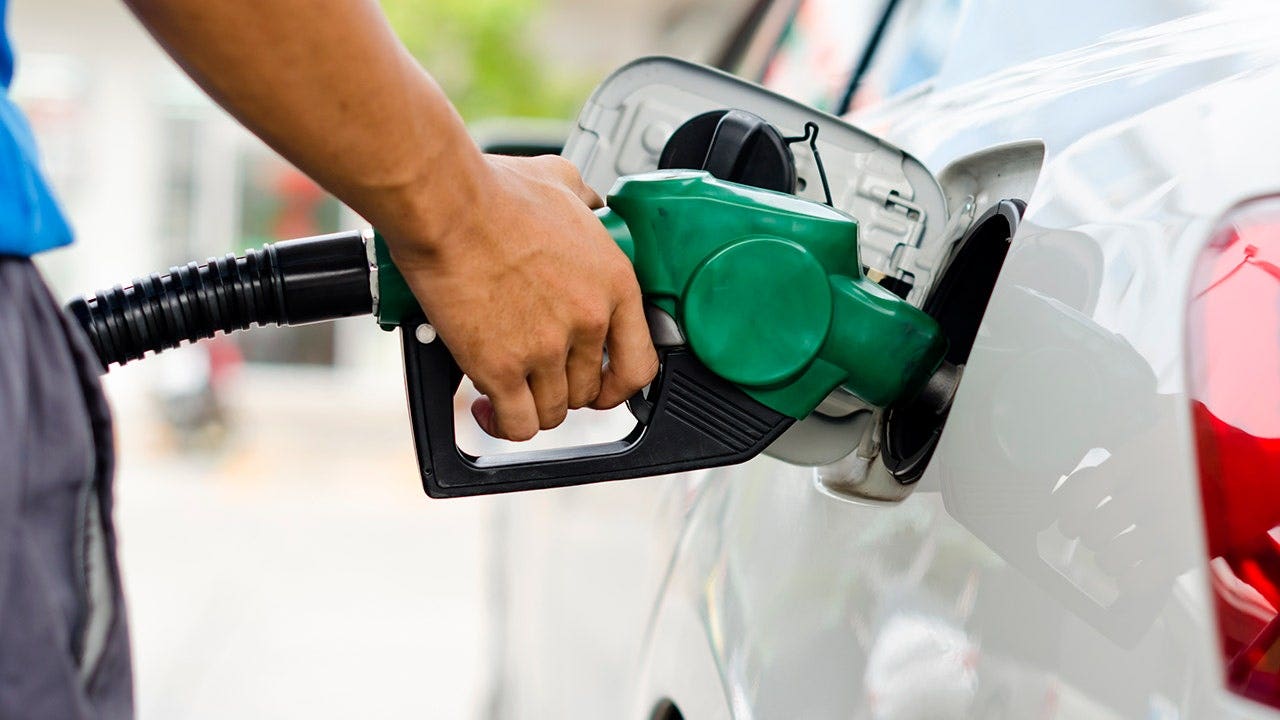
Cover image from foxnews.com, which was analyzed for this article
Consumer confidence and travel costs are hit by record-high pump prices tied to the Iran situation. Both economic impacts on families and industry are covered across outlets.
PoliticalOS
Saturday, May 23, 2026 — Business
Diesel and gasoline prices have reached record levels because Iran’s closure of the Strait of Hormuz removed roughly 20 million barrels per day from global supply. Those higher costs are already appearing in food, shipping and fertilizer prices, and analysts say the increases will persist for months even if fighting stops immediately because of infrastructure and logistics constraints.
What outlets missed
No outlet quantified total barrels removed from the market beyond the 20 million figure or reported current US inventory drawdown rates. Only the Sun-Times noted Guerrero’s specific weekly fuel cost increase and line-of-credit arrangements with suppliers. The Guardian alone detailed the 13-knot speed of very large crude carriers and the hydraulics difference between Gulf and shale wells. Regional price variation by state was presented without a single national weighted average or month-over-month change for diesel in three of the four pieces.
Fuel Prices Hammer Working Americans as Iran War Drags On
Gasoline and diesel prices have climbed sharply across the country since the U.S. and Israel entered the conflict with Iran in late February, leaving drivers, truckers and small businesses facing costs not seen in years. The national average for regular gasoline now sits at $4.55 a gallon, up roughly $1.50 from prewar levels, while diesel has reached record territory in several states.
Memorial Day weekend travel plans are already feeling the squeeze. AAA projects more than 39 million Americans will take to the roads, yet pump prices in places like California have hit $6.14 and Washington state $5.70. Those figures eclipse recent summer peaks and add pressure on families already dealing with higher food costs.
The war has kept about 20 million barrels a day of oil off the global market by disrupting traffic through the Strait of Hormuz. Energy analysts note that even if fighting stopped tomorrow, restoring full supply chains and checking damaged infrastructure in the region could take months or longer. Retail prices rarely fall as fast as they rise, and experts see little chance of a return to the $3 national average anytime soon in 2026.
Diesel’s climb has hit commercial operators first. In the Chicago area the average reached $6.30 a gallon by mid-May, breaking the previous record set after the 2022 Ukraine invasion. Food-truck owner Ricardo Guerrero in Cicero now spends several hundred dollars more each week just to keep his three trucks running between downtown attractions. Trucking and rail costs eventually pass through to store shelves, so higher diesel eventually shows up in the price of groceries and household goods.
Propane and beef prices have also moved higher, raising the cost of summer cookouts. Ground beef averaged $6.90 a pound in April, nearly double the level of a decade ago. Combined with fuel-driven spikes in transportation and packaging, backyard barbecues are noticeably more expensive this year.
The White House has responded with releases from the Strategic Petroleum Reserve, a proposed federal gas-tax holiday and a temporary waiver of the Jones Act to speed fuel shipments between U.S. ports. Those steps have not reversed the trend at the pump. Drivers in swing states and rural areas, where longer commutes are common, feel the added expense most directly.
The conflict’s effects extend beyond the immediate region because so much of the world’s seaborne crude moves through one narrow waterway. Until that route operates normally again, supply remains tight and price relief stays limited. Everyday Americans continue to absorb the difference at the station and in their monthly budgets.
You just read America First's take. Want to read what actually happened?
More in Business & Economy

Stocks Rise on Earnings as Home Sales Hit Low
Major indices closed mixed to higher, led by healthcare and defensive stocks, as companies like Eli Lilly and UnitedHealth reported strong results. Pending home sales hit record lows.

US Stocks Mixed as Tech Rebounds on AI Optimism
The Dow slipped slightly while the S&P 500 and Nasdaq rose, led by Nvidia, AMD, and Intel gains on renewed AI sector confidence after prior drops. Broader market volatility tied to earnings and data center demand.

Trump Unveils $8 Billion Diesel Relief for Farmers
The Agriculture Department launched the program to offset record diesel prices for farmers, framed as economic aid and a midterm pitch in Kansas amid ongoing inflation and energy cost pressures.

CPI Rises to 3.7 Percent as Energy Costs Climb Amid Iran Conflict
Hotter-than-expected CPI figures fueled rate hike fears and contributed to sharp declines in AI and tech stocks. Left and right economic commentary debates Trump policies versus Fed actions.
The Compass
You just read five takes on one story.
What's your take? Find your political shape in a few minutes.
Take the test