
Gas Prices Hit $4.50 Amid Iran Conflict Disruptions in Strait of Hormuz
Cover image from washingtonexaminer.com, which was analyzed for this article
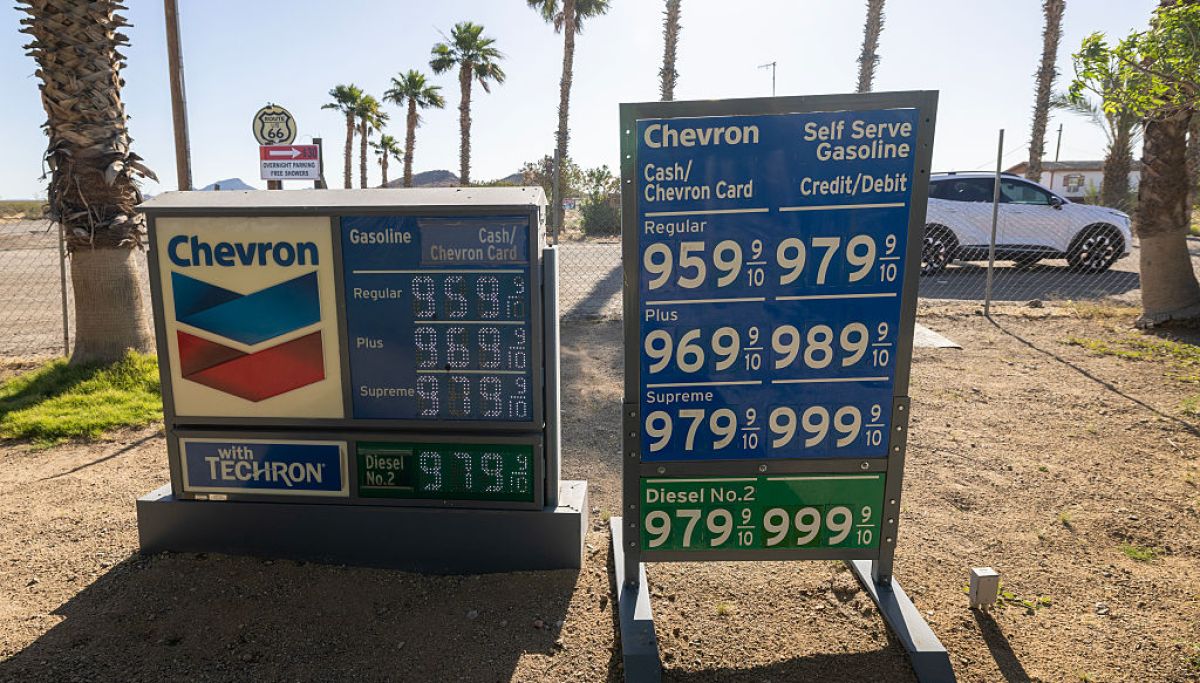
Nationwide gasoline prices have risen 50% to $4.50 per gallon due to Strait of Hormuz issues from the Iran conflict, fueling inflation concerns. Polls attribute blame to Trump as consumers feel the pinch. A state-by-state map shows variations in the spike.
PoliticalOS
Wednesday, May 6, 2026 — Business
U.S. gasoline prices have reached approximately $4.50 per gallon because the Iran conflict triggered a blockade in the Strait of Hormuz that disrupted one-fifth of global crude supply. The increase is straining household budgets for a clear majority of Americans and has driven President Trump's approval to record lows in recent polling, with 63 percent directly blaming him. Resolution depends on restoring secure shipping lanes; experts across outlets expect eventual declines if the risk premium fades, but the timeline remains uncertain.
What outlets missed
Most outlets underplayed the documented start date of U.S. and Israeli strikes on February 28, 2026, which multiple timelines list as the trigger for Iran's retaliatory strait closure. Partial U.S.-escorted tanker transits under a program referenced as "Project Freedom" occurred around May 5-6 according to some congressional and wire reports but received almost no attention. Current West Texas Intermediate crude closed at $92.60 on the day several stories published, a 9 percent daily drop that tempered the sense of unrelenting escalation. Exact casualty figures from the conflict and Trump's formal May 1 notification to Congress that hostilities had terminated were mentioned in only one outlet and omitted from consumer-focused or poll-driven coverage.
Trump Faces Growing Backlash as Gas Prices Surge from Iran War
Americans are feeling the sharp sting of higher gas prices and they are pointing the finger directly at President Donald Trump. A new NPR/PBS News/Marist poll finds more than eight in ten say the cost at the pump is straining their household budgets with a strong majority blaming the president for the pain. The survey conducted in late April shows Trump at his most unpopular since taking office for a second term his approval having dropped significantly among key voting groups including independents and even some Republicans.
The numbers tell a clear story. The average price of regular gasoline now sits at about four dollars and fifty cents a gallon according to AAA. That represents a fifty percent jump from before the United States and Israel launched military action against Iran. The conflict has choked off the Strait of Hormuz the critical waterway through which a fifth of global oil supply normally flows. Tankers sit idle crude shipments have been disrupted and the resulting global shortfall has sent prices soaring. West Coast drivers are hurting the worst. California has seen averages top six dollars a gallon while states like Oklahoma and Kansas have fared somewhat better but still face sharp increases from just a few months ago when the national average hovered near three dollars.
The war itself has grown increasingly unpopular as the economic consequences ripple through American life. Most respondents in the poll said the economy simply is not working for them a sentiment that has hardened since Trump returned to the White House. The president has tried to project confidence telling business leaders this week that the economy is roaring and that gas prices will come down substantially in the coming months. Yet analysts suggest that optimism may be slightly premature. While the strait may eventually reopen both the United States and Iran face mounting pressure to de-escalate the conflict has already inflicted lasting damage on global energy markets and on household budgets here at home.
Trump administration officials have pointed to seasonal demand low inventories and the normal summer driving season as contributing factors. Energy experts such as those at S&P Global note that no amount of political rhetoric can overcome a genuine supply shortfall. When crude prices climb into the one hundred to one hundred ten dollar range retail gasoline tends to settle between four and four fifty dollars a gallon. Current prices sit at the high end of that spectrum reflecting not just fundamentals but also the uncertainty created by the ongoing violence in the Gulf.
These pocketbook pressures have translated into a distinct political advantage for Democrats with six months to go before the midterm elections. The poll shows Democrats leading by ten points on the generic congressional ballot a notable shift that comes with an enthusiasm edge in what is traditionally a lower turnout election. Independents who will decide many races appear particularly unenthused about the current direction though neither party has fully locked them in.
The map of pain is uneven but widespread. Interactive data compiled by Business Insider reveals dramatic differences between states yet every region has seen costs climb since late February. For a nation of drivers who must commute to work buy groceries and ferry children to activities the inflexible demand for fuel makes these increases especially punishing. Many Americans had hoped a brief ceasefire in mid-April would bring relief as prices fell for nearly two weeks. Instead the conflict resumed prices reversed course and the strain returned.
Trump allies argue that the president inherited a complicated global energy picture and that resolution of the Hormuz crisis could still bring prices down later this year. Critics counter that the decision to pursue military confrontation with Iran carried predictable consequences for oil markets and for working families. Iran itself is suffering hyperinflation and its own economic isolation while China reportedly urges Tehran to restore shipping lanes.
The coming months will test whether Trump can deliver on his promise of lower prices before voters render their verdict in November. For now the combination of four dollar plus gasoline an unpopular war and widespread economic anxiety has handed Democrats their clearest opening in years. The NPR/PBS News/Marist poll of more than thirteen hundred adults carries a margin of error of plus or minus three percentage points but the direction of the numbers is unmistakable. Pain at the pump is reshaping the political landscape and the president is bearing the brunt of the blame.
You just read Progressive's take. Want to read what actually happened?
More in Business & Economy

Stocks Rise on Earnings as Home Sales Hit Low
Major indices closed mixed to higher, led by healthcare and defensive stocks, as companies like Eli Lilly and UnitedHealth reported strong results. Pending home sales hit record lows.

US Stocks Mixed as Tech Rebounds on AI Optimism
The Dow slipped slightly while the S&P 500 and Nasdaq rose, led by Nvidia, AMD, and Intel gains on renewed AI sector confidence after prior drops. Broader market volatility tied to earnings and data center demand.

Trump Unveils $8 Billion Diesel Relief for Farmers
The Agriculture Department launched the program to offset record diesel prices for farmers, framed as economic aid and a midterm pitch in Kansas amid ongoing inflation and energy cost pressures.
CPI Rises to 3.7 Percent as Energy Costs Climb Amid Iran Conflict
Hotter-than-expected CPI figures fueled rate hike fears and contributed to sharp declines in AI and tech stocks. Left and right economic commentary debates Trump policies versus Fed actions.
The Compass
You just read five takes on one story.
What's your take? Find your political shape in a few minutes.
Take the test