
Google unveils Pixel 11 phones, Watch 5 and Gemini AI upgrades
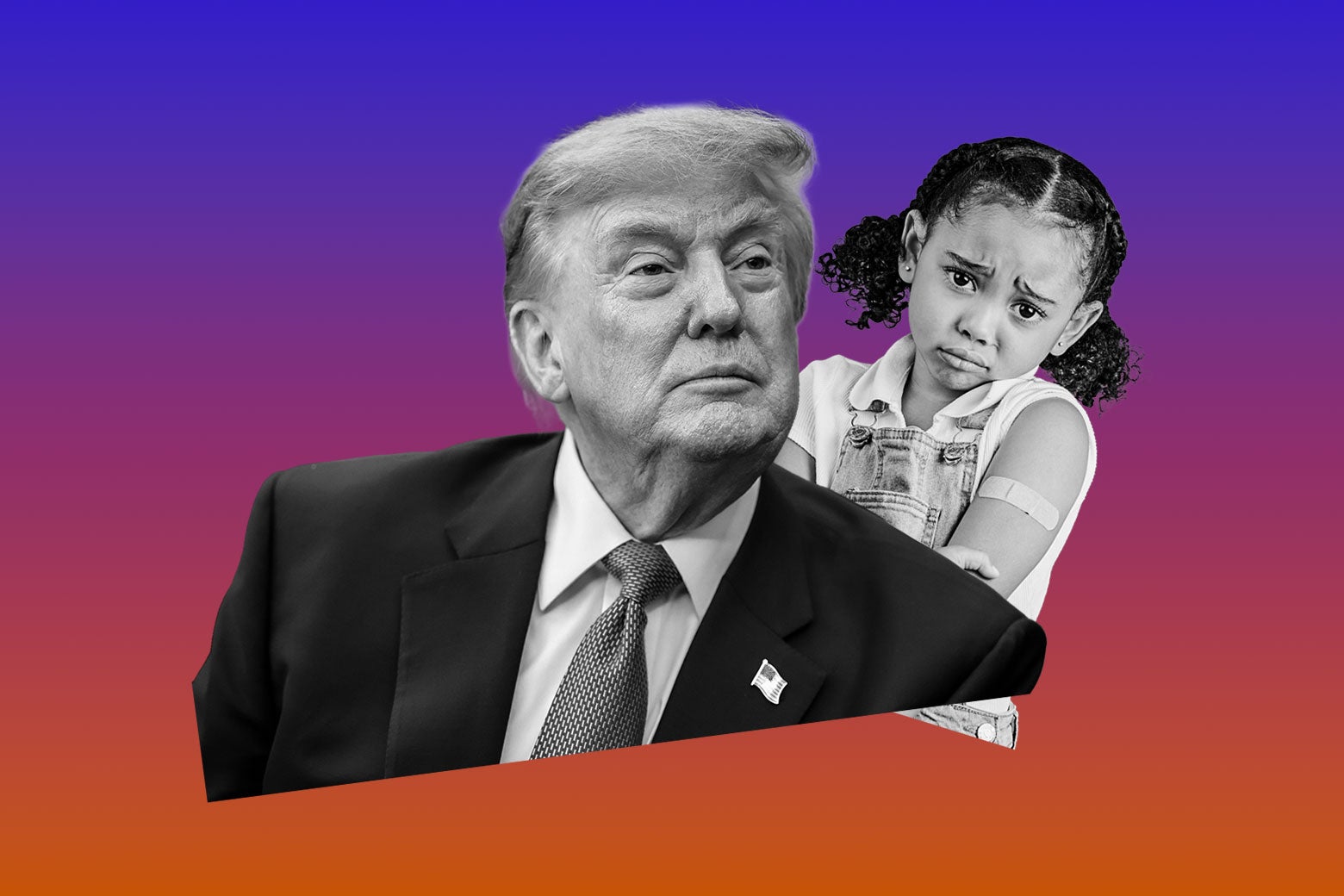
Cover image from slate.com, which was analyzed for this article
Google unveiled the Pixel 11 phones, Pixel Watch 5, and expanded Gemini AI tools at its annual event. Tech coverage focuses on hardware upgrades and AI integration.
PoliticalOS
Thursday, August 13, 2026 — Tech
The provided sources contain no information on the Pixel 11 launch. Readers seeking details on Google's new phones, watch or AI features must consult other reporting, as these outlets addressed separate topics entirely.
What outlets missed
No outlets provided coverage of the Google event. The supplied articles instead addressed an unrelated Trump vaccine order and Anthropic's Claude watermarking system. This left the Pixel 11 announcement, Watch 5 specifications and Gemini feature details entirely unreported. Readers received no information on hardware changes or AI rollout timelines.
EU Mandates Push AI Firms Into Content Labeling
Anthropic's decision to embed invisible watermarks in text processed by its Claude models stems directly from the European Union's AI Act requirements. The regulation compels providers to mark AI-generated or altered content in audio, images, text, and video, applying to any model released after August 2 with a compliance deadline of December 2026 for earlier releases. Anthropic has extended this marking to all new models worldwide, not just those sold in Europe, to meet the rules from the outset.
The approach flags material even when Claude merely edits human-written text rather than creating it from scratch. This broad application raises practical questions about how lightly assisted work will be treated and whether the marks survive common editing steps. Tech observers, including investor Bill Gurley, have noted limited public details on the technical method, leaving uncertainty around detection tools available only to certain parties and potential effects on output quality.
Regulations of this sort often produce side effects beyond their stated aims. Requirements for machine-readable labels can complicate routine uses of AI tools in research, drafting, and analysis where partial assistance improves efficiency without replacing human judgment. Copyright concerns emerge when marks attach to edited material, potentially complicating attribution or ownership claims for users who supplied the original content. Output quality may suffer if the embedding process influences generation choices to preserve the mark.
Past government interventions in technology and health policy show similar patterns of expanded reach over time. Rules framed around transparency or safety frequently lead to broader enforcement that affects domestic and international operations alike. Companies respond by standardizing practices globally to avoid separate compliance tracks, which can slow innovation and raise costs passed on to users.
Evidence from prior regulatory efforts indicates that mandates rarely eliminate risks they target while introducing new frictions in markets. In this case, the watermark system aims to distinguish AI material but may instead create uneven scrutiny for any text bearing the mark, regardless of context or accuracy. Market-driven approaches, such as voluntary standards developed through competition among providers, have historically allowed faster adaptation without the rigid timelines imposed by statute.
Anthropic's support documentation emphasizes compliance with the EU framework, yet the global rollout underscores how one jurisdiction's rules shape product design everywhere. Users outside Europe will encounter the same embedded marks, illustrating the spillover from centralized policy decisions. Empirical review of such measures should focus on measurable outcomes like detection accuracy and impacts on legitimate applications rather than assumptions about uniform benefits.
You just read Conservative's take. Want to read what actually happened?
More in Technology

Democratic Wins Heighten Scrutiny of Data Center Expansion
Newly empowered Democrats signaled opposition to rapid AI data center growth on public lands and elsewhere. This contributed to market pressure on chipmakers and infrastructure firms.
Nvidia Faces Added Scrutiny on AI Shipments After Midterms
Nvidia faces increased monitoring of accelerator shipments amid smuggling concerns to China. Broader regulatory uncertainty from the election weighed on the sector.

Google Ties Search Access to AI Opt-In for K-12 Schools
Google will turn its AI tools off by default for K-12 students starting in 2027 and will restrict Search access for schools that fully block AI. The policy reflects deeper integration of AI into core products. Right-leaning New York Post and tech coverage noted the changes.

FBI Ties $6.3 Billion Binance Hack to North Korea; Pyongyang Fires Missiles
The FBI linked the theft of over $6 billion in cryptocurrency from Binance to North Korea's Lazarus Group, citing social engineering. Laundering the funds is expected to take months. Engadget, New York Post, and other outlets reported on the investigation.
The Compass
You just read five takes on one story.
What's your take? Find your political shape in a few minutes.
Take the test