
Google unveils Pixel 11 phones, Watch 5 and Gemini AI upgrades
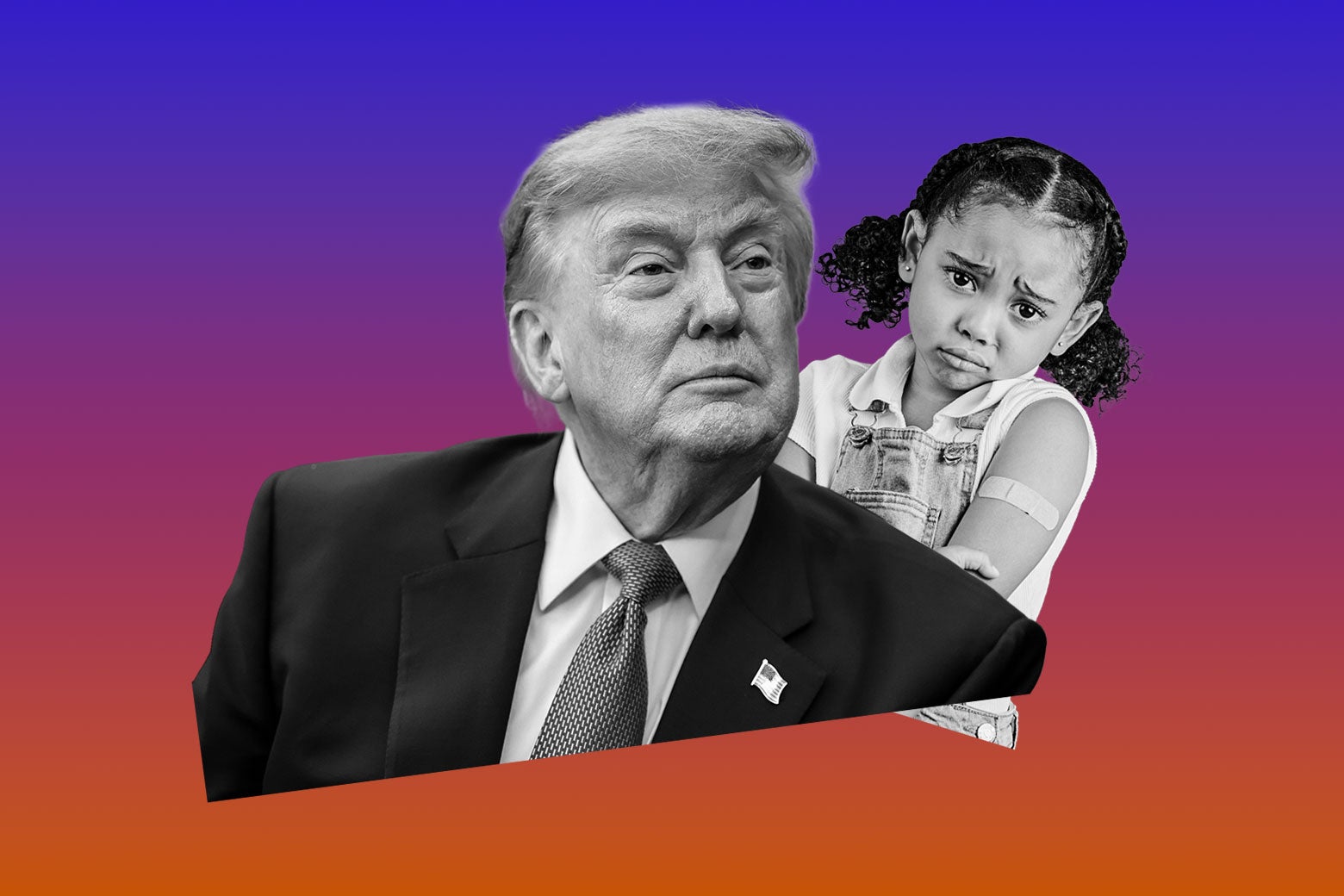
Cover image from slate.com, which was analyzed for this article
Google unveiled the Pixel 11 phones, Pixel Watch 5, and expanded Gemini AI tools at its annual event. Tech coverage focuses on hardware upgrades and AI integration.
PoliticalOS
Thursday, August 13, 2026 — Tech
The provided sources contain no information on the Pixel 11 launch. Readers seeking details on Google's new phones, watch or AI features must consult other reporting, as these outlets addressed separate topics entirely.
What outlets missed
No outlets provided coverage of the Google event. The supplied articles instead addressed an unrelated Trump vaccine order and Anthropic's Claude watermarking system. This left the Pixel 11 announcement, Watch 5 specifications and Gemini feature details entirely unreported. Readers received no information on hardware changes or AI rollout timelines.
Trump's Vaccine Directive Raises Alarm Over Childhood Immunization Rates
The announcement of an executive order on childhood vaccines from the White House has drawn immediate scrutiny from public health experts who see the move as likely to complicate rather than clarify vaccine policy. The order, described by administration officials as an effort to increase oversight and parental choice, arrives at a moment when several vaccine-preventable diseases have shown renewed circulation in parts of the country.
Details released so far indicate the directive directs federal agencies to review existing childhood vaccine schedules and to emphasize informed consent processes. It also calls for new reporting requirements on adverse events. Supporters within the administration argue these steps will restore confidence among hesitant families. Critics, including longtime health policy observers, contend the changes risk amplifying doubts without improving the underlying safety data that has long supported routine immunization.
Julie Rovner of KFF Health News noted that the order appears to treat vaccines as an area requiring special political intervention rather than standard regulatory review. Historical patterns show that when political figures insert themselves prominently into vaccine discussions, uptake can decline even when the statements stop short of outright opposition. States that have recently tightened exemption rules have seen measles cases drop; those with looser policies have experienced clusters of illness.
Data from the Centers for Disease Control and Prevention indicate that MMR coverage among kindergartners remains below the 95 percent threshold needed for reliable community protection in many districts. Officials have linked recent outbreaks to pockets of under-vaccination rather than any documented change in vaccine performance. An executive order that shifts focus toward additional review processes could slow catch-up campaigns already underway in affected communities.
The broader institutional context matters. Vaccine recommendations have traditionally emerged from advisory committees that weigh large-scale epidemiological evidence. Moving those discussions into a more overtly political channel may reduce the perceived independence of the process. Past episodes, such as the initial rollout of COVID-19 vaccines under the previous Trump administration, showed that even supportive presidential rhetoric did not uniformly increase uptake once skepticism took hold in certain populations.
Health economists point out that any erosion in routine immunization carries measurable costs. Hospitalizations from measles and pertussis remain expensive, and lost school days compound economic burdens on families. If the new order leads states to revisit exemption policies or delays school-entry requirements, those downstream effects could appear within two to three years.
Administration defenders reply that greater transparency about rare side effects will ultimately strengthen the program. They note that the Vaccine Injury Compensation Program already exists to handle confirmed cases and that improved communication could address legitimate questions. Yet the scientific literature continues to show that the incidence of serious adverse events remains low relative to the diseases the vaccines prevent.
Implementation will now fall to agencies that must reconcile the executive directive with existing statutes and international standards. How the CDC and FDA adjust their communications and whether state health departments receive additional federal guidance will determine whether coverage rates stabilize or continue their recent drift. Public health researchers are watching early signals in states that have signaled alignment with the administration's framing.
The order does not alter the legal status of any currently licensed vaccine. It does, however, insert a new layer of political attention into a domain that has relied on relatively consistent expert consensus for decades. Whether that attention produces higher trust or simply more noise remains the central open question.
You just read Liberal's take. Want to read what actually happened?
More in Technology

Democratic Wins Heighten Scrutiny of Data Center Expansion
Newly empowered Democrats signaled opposition to rapid AI data center growth on public lands and elsewhere. This contributed to market pressure on chipmakers and infrastructure firms.
Nvidia Faces Added Scrutiny on AI Shipments After Midterms
Nvidia faces increased monitoring of accelerator shipments amid smuggling concerns to China. Broader regulatory uncertainty from the election weighed on the sector.

Google Ties Search Access to AI Opt-In for K-12 Schools
Google will turn its AI tools off by default for K-12 students starting in 2027 and will restrict Search access for schools that fully block AI. The policy reflects deeper integration of AI into core products. Right-leaning New York Post and tech coverage noted the changes.

FBI Ties $6.3 Billion Binance Hack to North Korea; Pyongyang Fires Missiles
The FBI linked the theft of over $6 billion in cryptocurrency from Binance to North Korea's Lazarus Group, citing social engineering. Laundering the funds is expected to take months. Engadget, New York Post, and other outlets reported on the investigation.
The Compass
You just read five takes on one story.
What's your take? Find your political shape in a few minutes.
Take the test